

MAY 14, 2026
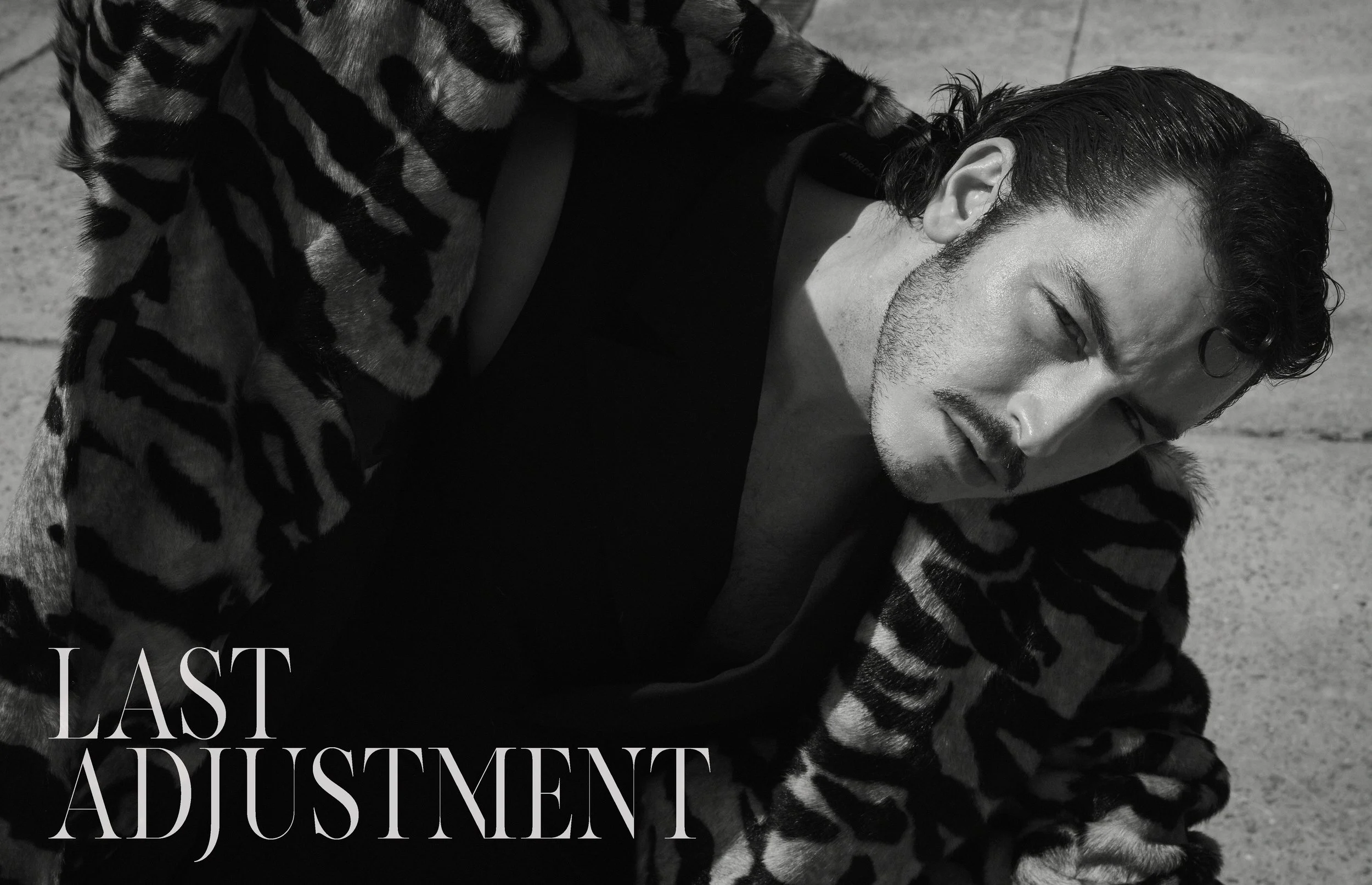
PHOTOGRAPHY JAMES MACARI STYLING JULIA MÜLLER INTERVIEW DAVID GARGIULO
Vest and trousers ANDREAS MOSKIN, coat DOLCE & GABBANA.
“ I TRY TO SEE CONSEQUENCES IN A POSITIVE WAY, LIKE POSSIBILITIES. YOU NEVER REALLY KNOW WHAT SOMETHING WILL LEAD TO.”
— BORAN KUZUM
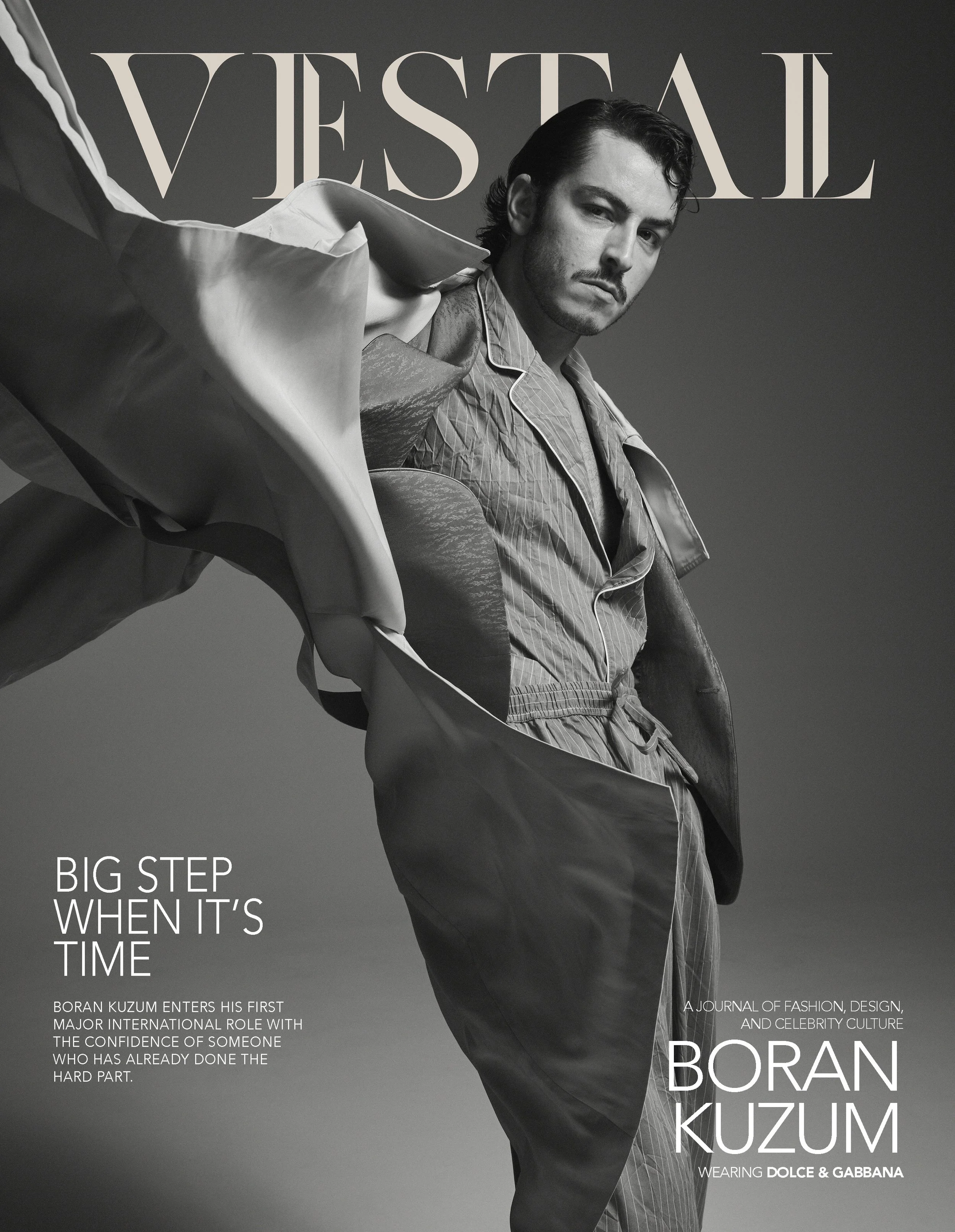
Pants and shirt DOLCE & GABBANA, blazer CANALI, trenchcoat THE FRANKIESHOP
PORTRAIT BORAN KUZUM
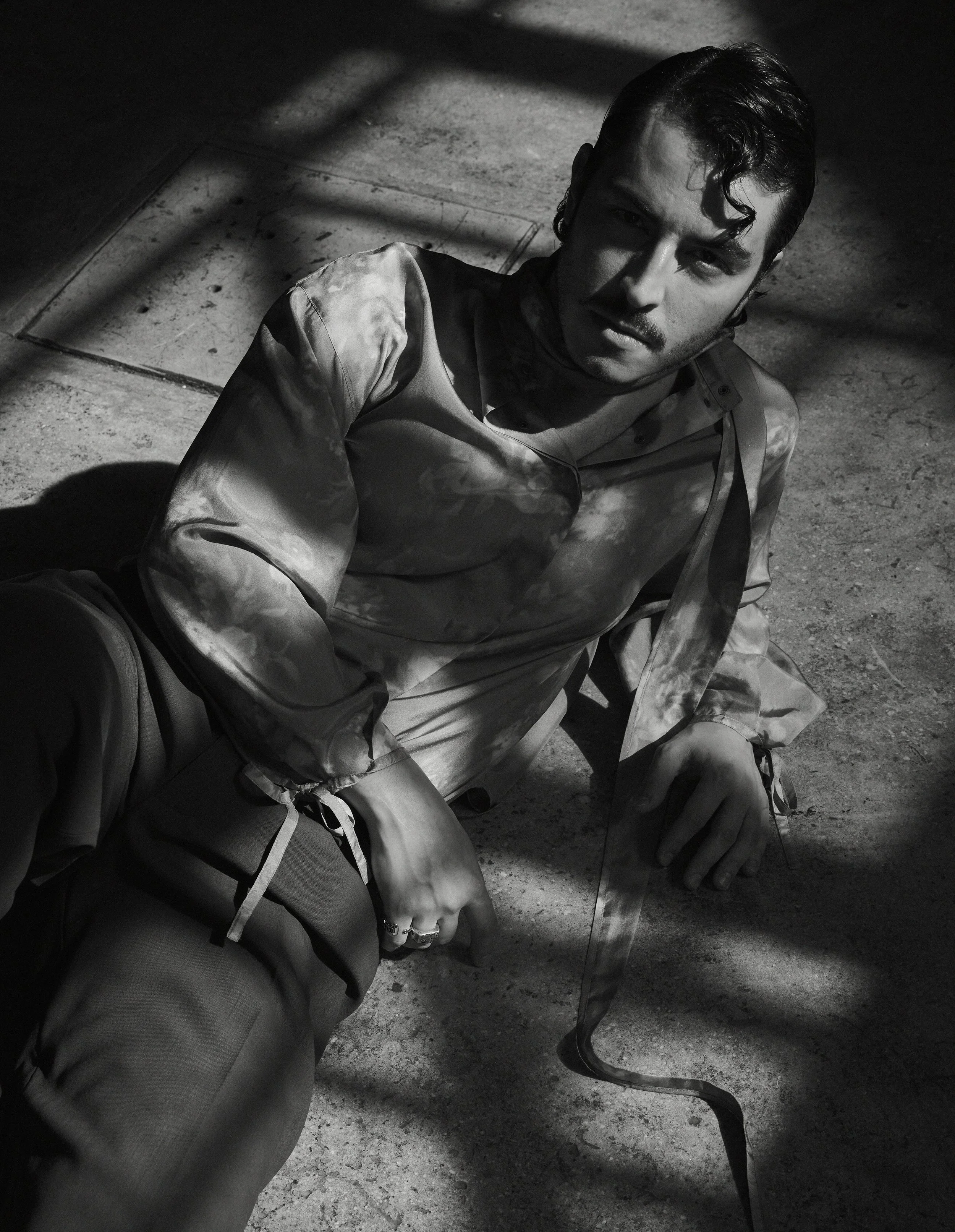
Shirt DIESEL, trousers TOD'S, rings SO.
Boran Kuzum would like you to know that he is not, in fact, making a mistake. Not this time.
After eleven years building one of Turkey's most recognizable careers, he has arrived in America with a natural accent, over a decade of preparation, and the confidence of someone who has already done the hard part. Big Mistakes, the show, not the life philosophy, is his first major international role. He is ready. He has been ready. He just needed the rest of the world to catch up. The backstory helps explain the confidence. Boran was supposed to be an economist. Then, briefly, an architect. Then, after a year of failing to care about inflation and a lifetime of caring about almost everything else, an actor. His mother, a fine arts graduate who knew exactly what life looked like from the inside, spent the first two months asking if he couldn't just do it as a hobby. His father, who ran the Ankara State Theatre, probably already knew the answer. What followed was eleven years of iconic Turkish roles, international awards, and a conservatory trained instinct for finding the human detail inside any character. When Big Mistakes came along, the role was originally written as Russian. After Boran was cast, they rewrote the nationality. The name Yusuf was his own suggestion. At a certain point, you stop fitting into roles and start reshaping them around you. Yet, success hasn't flattened his edges. He still notices things. He still asks too many questions. He still, by his own admission, makes the same mistakes. For an actor whose entire craft depends on staying human, the mistakes aren't the side effect; they’re the point.
David Gargiulo __ Big Mistakes marks your first major international role. Now that you’re reaching a global audience, what does that feel like?
Boran Kuzum __ I feel prepared. I’ve been working for 11 years in Turkey. I think we’re the first generation of actors who experienced the rise of social media while building our careers. When you’re 21, you don’t really know who you are yet, but everyone else seems to have an idea of you. I felt like I grew up alongside people watching me. So I always had to keep a balance between my private life and my job, and separate the two. That’s why I feel prepared now. Being in front of a global audience doesn’t feel dramatically different to me. The nature of our job is that we’re nothing without an audience. If there is no audience, there is no point to what we do. So it’s always a privilege to reach more people and hopefully touch lives through storytelling. That was always the dream and I’m happy I’m starting to achieve it with this project.
DG __ Let’s talk about the language. This is your first major project in English. Did you have to rebuild your instincts as an actor? How was that experience?
BK __ I knew I was capable and I trusted myself, but I was still nervous. I remember the first take. I suddenly realized, “Okay, I’m acting in English now.” After 10 years of acting in Turkish, it felt new again. One thing that helped was that my character is Turkish, so I could use my natural accent. That made it easier because I didn’t have to overthink the language. I could focus on the character instead. When I was in conservatory at 18, one of my teachers told us to imagine there is both a deaf audience and a blind audience. So you have to communicate through everything, your body, your eyes, your energy. If I had focused too much on the language barrier, I think it would have limited me. So I didn’t let that become the center of my performance. I worked more than usual on the script, but I kept my focus on the character. It was a balance I had to maintain throughout the shoot.
DG __ You come from a family of artists, right?
BK __ Yes, my mother is a painter.
DG __ What was it like being raised by a painter?
BK __ A lot of paint smells, for sure. [laughs] But I think she also understood the emotional side of being an artist. When I told her I wanted to study acting, she was hesitant at first. She asked me, “Are you sure?” She knows how unstable it can be. Artists deal with periods of unemployment and uncertainty. That’s probably the hardest part. You don’t have a constant job. Even though I’ve been working consistently, you never really know when the next project will come. So I understand why she was cautious. If I had a child, I would probably react the same way. Not to discourage them, but to make sure they really understand what they’re choosing. Actors are not saving lives in the traditional sense, but I think art is essential. In the world we’re living in, empathy and understanding differences are more important than ever. That’s what art gives people.
DG __ Especially in a show like Big Mistakes, which is funny but also meaningful.
BK __ There’s sometimes a misconception that entertainment and art are separate things, but there’s a balance between them. Big Mistakes might look like a fun, entertaining show on the surface, but it’s also a story about people ending up in extreme situations and discovering something about themselves through it. For me, the idea is that no matter where you are in life, you can always take something from the experience. There are no real mistakes—only lessons.
DG __ What did you take from the experience personally?
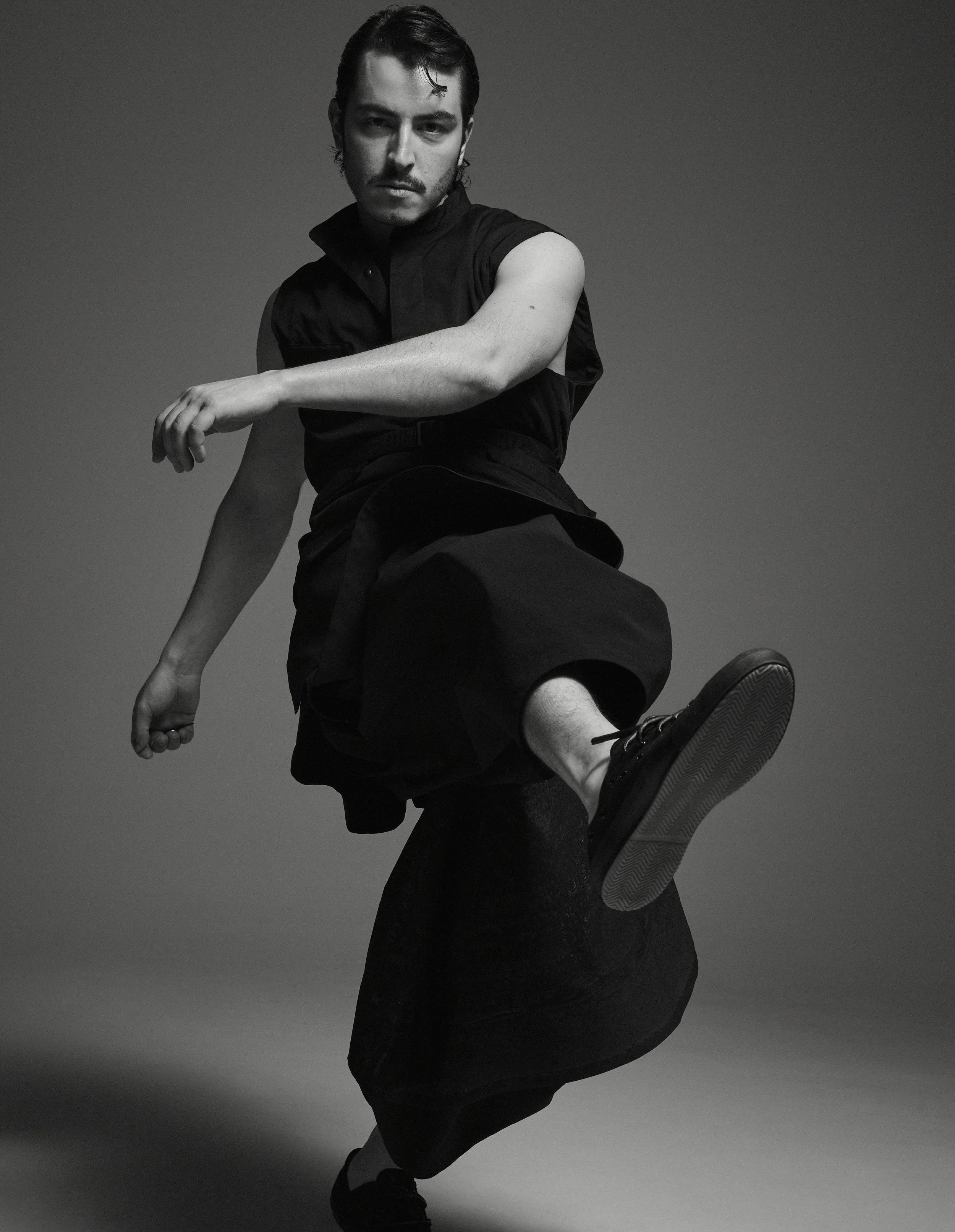
Total look ISSEY MIYAKE, shoes OVERCOAT.
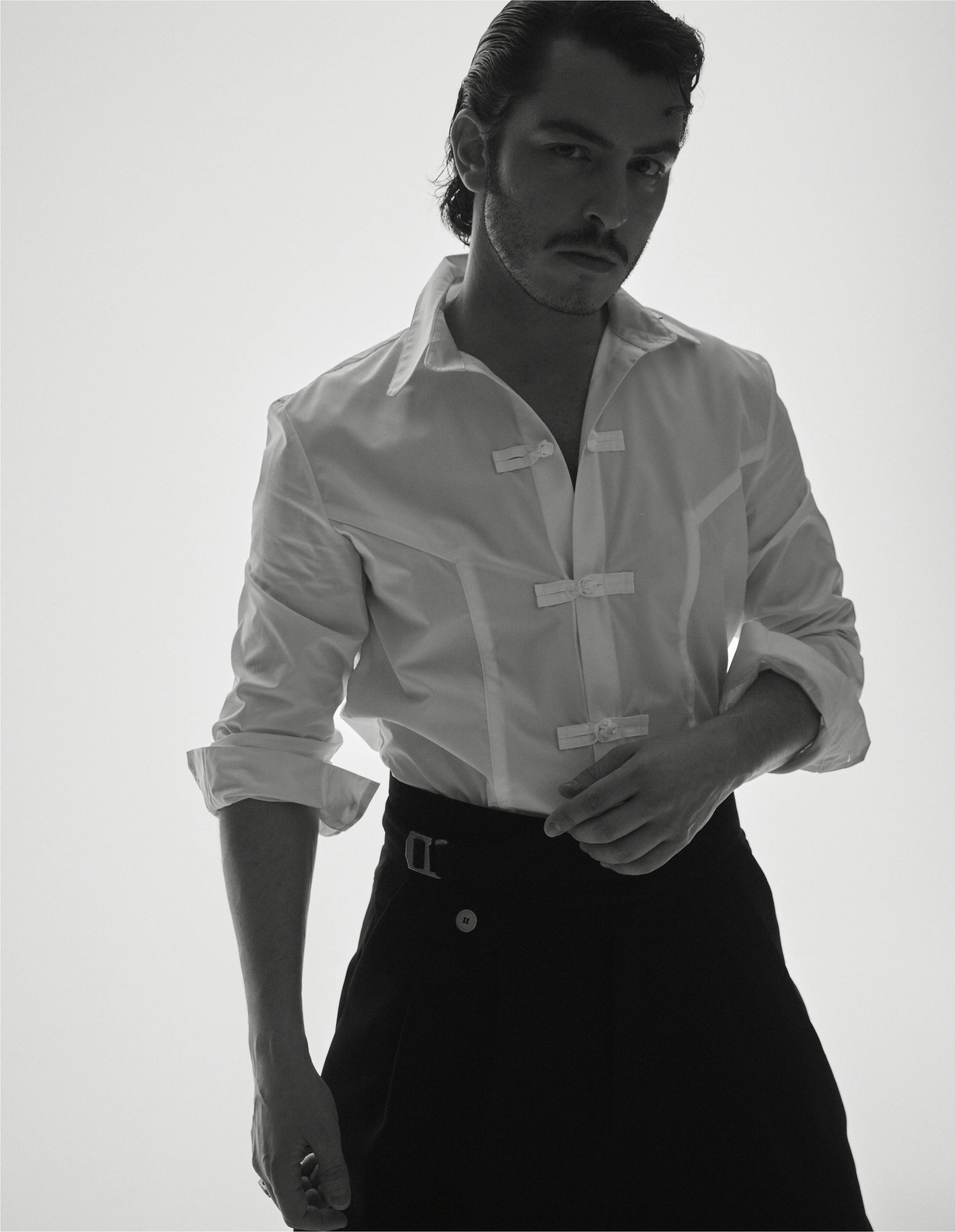
Total look PIECES UNIQUE.
I THINK MY BIGGEST MISTAKE IS THAT SOMETIMES I GIVE TOO MUCH CREDIT TO PEOPLE WHO DON’T NECESSARILY DESERVE IT […] I HOPE I WILL LEARN ONE DAY, BUT FOR NOW, I STILL REPEAT IT.”
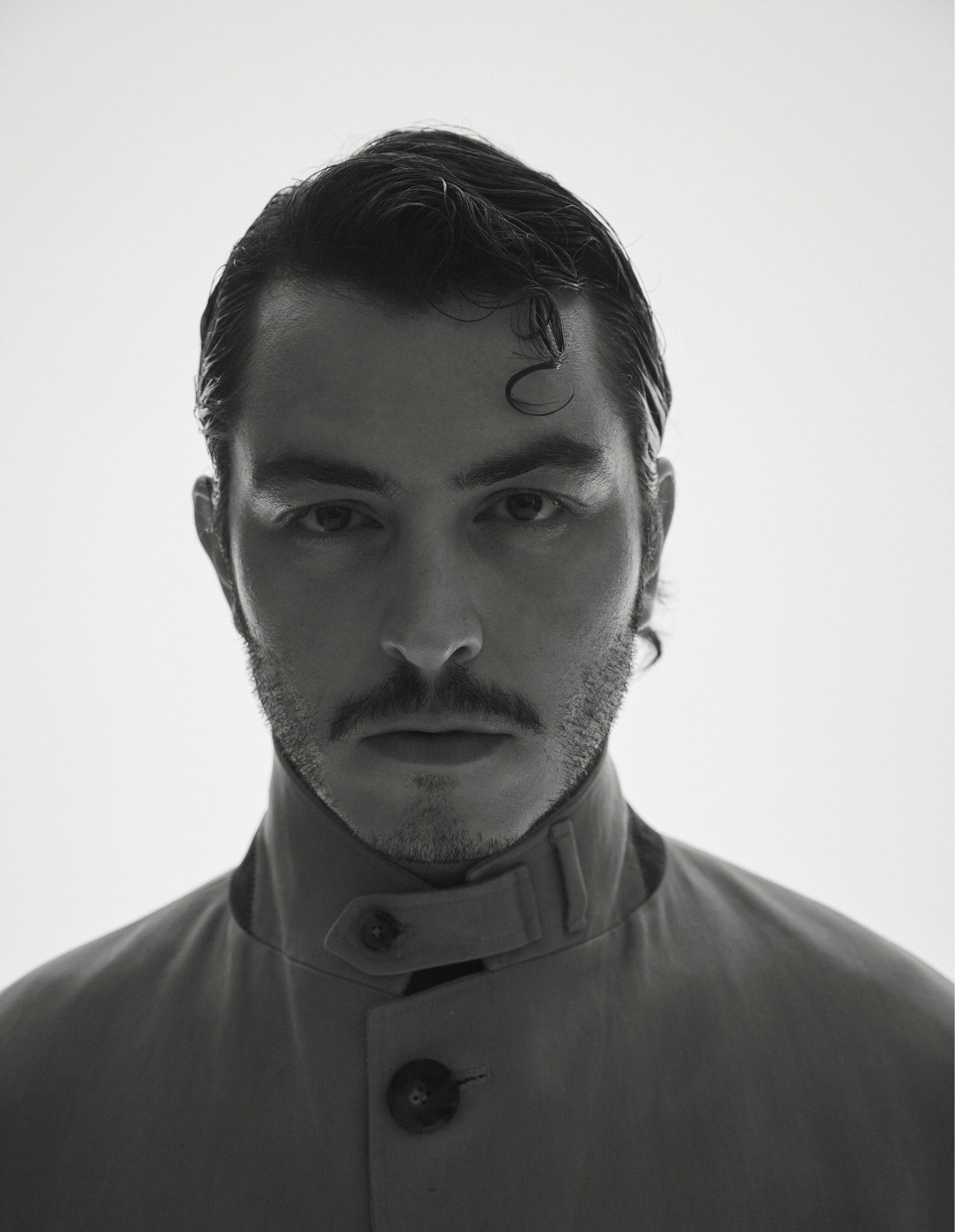
Total look CANALI.
BK __ For my character, Yusuf, he goes to America to build a life for himself and his girlfriend. But he ends up in a situation where he doesn’t really belong and he has to survive. He still has kindness and ethics inside him, but he builds a kind of shield. He appears angry and tough because he needs to protect himself. Over time, that shield starts to break, and you begin to see who he really is underneath. I like characters like that. People we might judge at first, but who have depth when you look closer. Every behavior has a reason behind it. I’m not justifying everything, but I think understanding people is important. Even in real life, I can be moody or act in ways that don’t reflect my intention, but there are always reasons behind it. That’s what I love about acting: it allows you to explore that complexity and help audiences empathize with characters they might initially reject.
DG __ Big Mistakes is also about consequences. Do you feel we live in a time where consequences are faster, more public, and harder to escape? Especially with social media?
BK __ I believe in consequences. It’s more about how you respond to them. For example, I had a very difficult year before this project. I was in a dark period and didn’t really know what was going to happen next. Then I got this audition, and suddenly I found myself moving to New York within two or three weeks. I couldn’t really process it, it happened so fast. So I had to adapt quickly. I told myself: this is your first English-language project, this is your dream. Now you have to do the work. I went into hyper focused mode. I didn’t let emotions slow me down because there wasn’t time. I found an acting coach, worked more than I usually do, and pushed myself hard. Even at the table reads, I remember listening to everyone thinking, “I’m not there yet.” So I just kept working. I try to see consequences in a positive way, like possibilities. You never really know what something will lead to. Everything today moves faster. Social media makes everything immediate. People consume emotions quickly, they swipe past things, they move on instantly. So I think it becomes even more important to slow down and pay attention to the details and hold onto them.
DG __ So what’s your biggest mistake?
BK __ I think my biggest mistake is that sometimes I give too much credit to people who don’t necessarily deserve it. You give a lot, and only later realize that it wasn’t balanced. And then you’re left with that feeling of having given so much and not really receiving anything back. But I don’t learn because I’m still like that. [laughs] I hope I will learn one day, but for now, I still repeat it.
DG __ Do you have any on-set superstition? Something you always do for luck?
BK __ I always listen to music, but not because of superstition. It just helps me get into the right mood. I don’t really believe in bad luck rituals or anything like that. What I focus on is being ethical on set. In Turkey, I learned early on that crew members arrive 30 minutes or even an hour before actors, so I’m very aware of that. If I arrive early, I try to bring good energy. Even if I’m tired, I don’t like to say it out loud or bring that energy into the room. There’s no point in making other people feel low. I try to stay positive on set. I love being on set and I want to contribute to that atmosphere. Also I’m a hugger. I always hug people when I arrive. I think it’s important to greet everyone properly and create good energy from the start.
“ I HOPE IT [THE FUTURE] FEELS LIKE AN OCEAN, CALM AND PEACEFUL, BUT ALSO DEEP, WITH SPACE TO GO WHEREVER YOU WANT.”
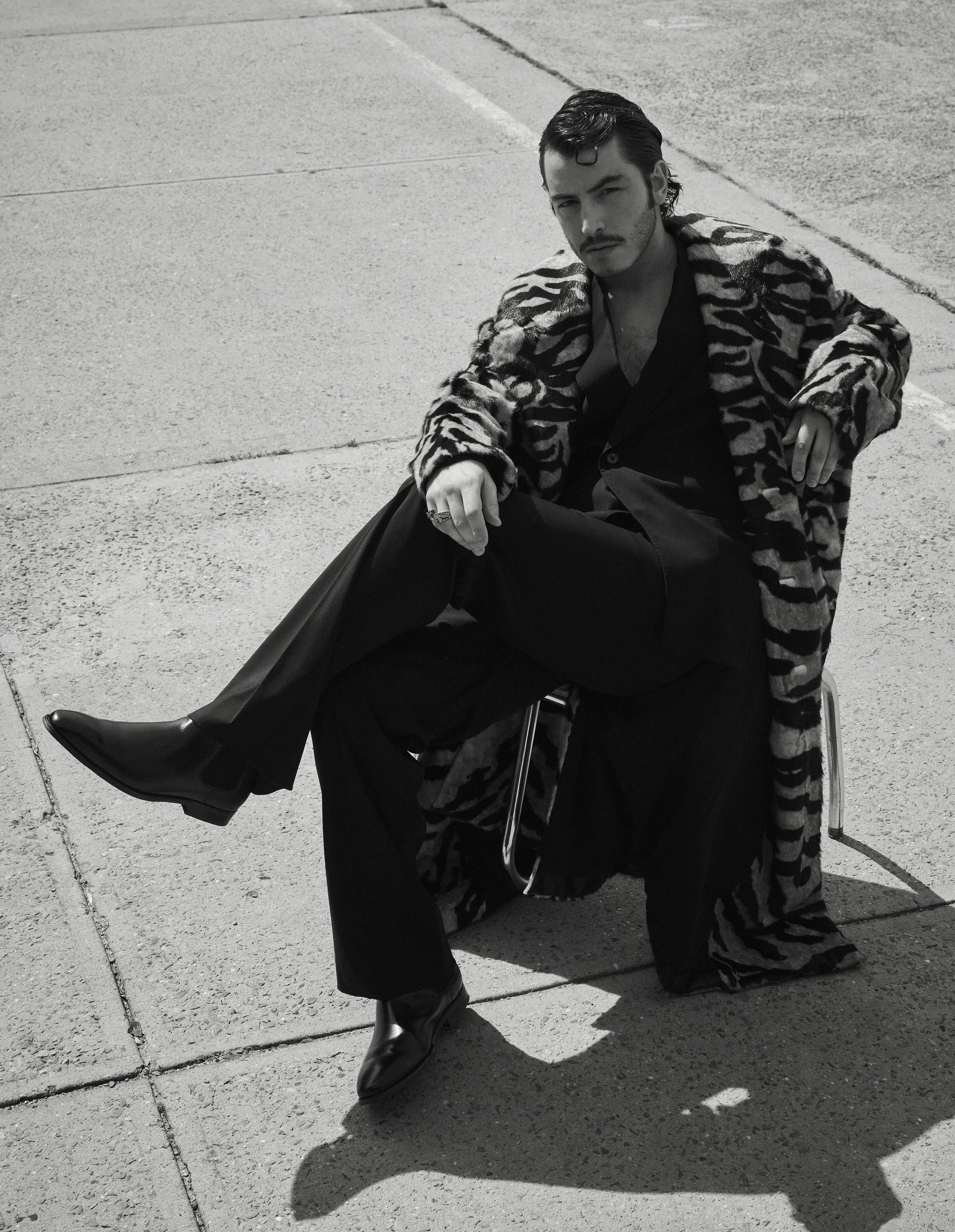
Suit ANDREAS MOSKIN, coat DOLCE & GABBANA.
DG __ I relate to that. In Italy we do two kisses when we greet people. Do you do that?
BK __ Yes, two kisses. But in America it always becomes confusing. You go in for the greeting, then you go the wrong direction, then you try to fix it… and it becomes a whole situation. [laughs]
DG __ Totally! [laughs] So heroes or villains, which is more fun to play?
BK __ Villains. I love the challenge. In the end, people will always love heroes. But making a villain likable is much more interesting as an actor because there are more layers to it. Heroes are heroes. They stay heroes. But villains have reasons behind what they do. For me, heroes are two-dimensional but villains are three-dimensional. Also, they’re more fun to watch.
DG __ Most of your career has been in Turkey. What part of that identity did you bring with you to the US and what did you leave behind?
BK __ I brought everything! I don’t really believe in borders. I’ve always lived like a world citizen. I’ve lived in different countries and cities over the years. But with this role, because the character is Turkish, it felt meaningful. I knew Turkish audiences would be watching and it would be one of the first times they see a Turkish character in a major international show. So I brought a lot of cultural details into the performance, gestures, reactions, ways of speaking, but also parts of my own identity into the set itself. For example, do you know baklava, the traditional Turkish dessert?
DG __ Yes, very familiar, it’s delicious!
BK __ This was funny. The first day, I brought it on set because in Turkey it’s common to bring it on the first or last day as a gesture. But hear this, the first day we were shooting in a cemetery! [laughs] So imagine this Turkish guy handing out baklava to the crew in a cemetery. And at that point, most of the crew members didn’t even know who I was yet, so I think a few people were probably like, “Who is this guy bringing dessert to a graveyard?” [laughs] But I like sharing culture. I love learning about other cultures. That’s one of the best parts of this industry. You get to experience different people, different worlds, and different perspectives through film and television.
DG __ What surprised you most about the difference between a U.S. production and a Turkish set?
BK __ No difference, really. That’s actually something I’m proud of when it comes to my country and industry. We’re doing great! Honestly, I expected a contrast. I thought, “Okay, I’m going to a Hollywood set, let’s see what changes.” But it felt very similar. The only real difference was that in America, they don’t work on weekends, which was amazing for me. For the first time in my life, I had weekends off! [laughs] I could actually see friends who have normal jobs, Monday to Friday schedules. That was fun.
DG __ You said before you are a world citizen. What does that actually look like for you? Where do you go, and what do you do?
BK __ I don’t think there’s a deadline when it comes to learning in our job. Acting is very connected to real life, so it’s important to stay in it. Observe people, live, and experience things. I remember in my first year of conservatory, one of my teachers gave us an assignment. There was a train station near our school in Istanbul, and the homework was to go there, sit for a few hours with a notebook, and observe how people greet each other, how they say goodbye, how they leave. When you train your brain like that, you start noticing everything, the small emotional beats in everyday life. For example, someone realizing too late that the person they’re saying goodbye to is gone. Those moments make acting richer because they come from real observation. After that, every week we had similar assignments, watching people in bookstores, observing how they choose books, things like that. It trained me to look at life in detail. Of course, I don’t do it in a strange way like a stalker [laughs]. But it’s important as an actor to study details of how people behave. I also can’t really do that openly anymore because I’m recognized in Turkey. So I travel as a way to keep that part of me alive. I’ve lived in Paris, Milan, Rome, Amsterdam. I try to spend time in different cities when I can. It helps me slow down and breathe. I like arriving somewhere new and immediately making it feel familiar. In the first week, I’ll walk around, find my grocery store, my pharmacy, the places I’ll return to. I build a routine quickly. That helps me feel grounded.
DG __ I love that first exploratory week, figuring things out. It’s like an adventure. If the next decade of your career could look like anything, what does that look like for you?
BK __ I hope it feels like an ocean, calm and peaceful, but also deep, with space to go wherever you want.
Photographer James Macari (Art Department), Stylist Julia Müller (The Wallgroup), Interviewer David Gargiulo, Groomer Hector Simancas, Photo Assistant Liz Lucsko, Stylist Assistant Cole Stevens, Talent Boran Kuzum (ImPRint), Producer All Good NYC, Location Neighbors Studio, Special Thanks Felix Cadieu (Neighbors), Grayson Crounse (Milk).
