

MARCH 27TH, 2026
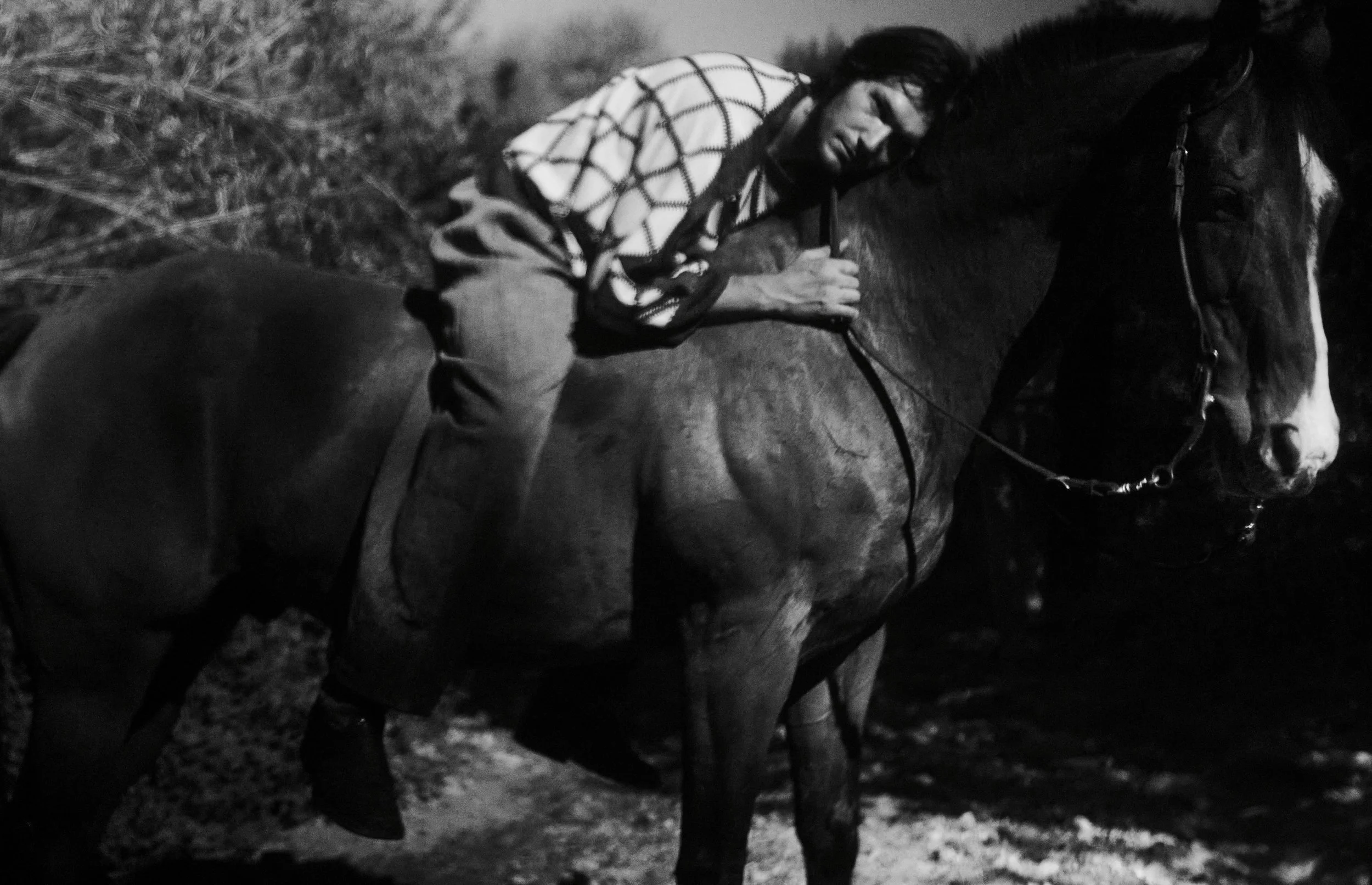
Total look PRADA.
“ PRADA'S ELEGANCE IS BASED IN CRAFTSMANSHIP. I LIKE TO THINK OF MYSELF AS A CRAFTSMAN TOO, CONSTANTLY BUILDING NEW TOOLS.”
— KELVIN HARRISON JR.
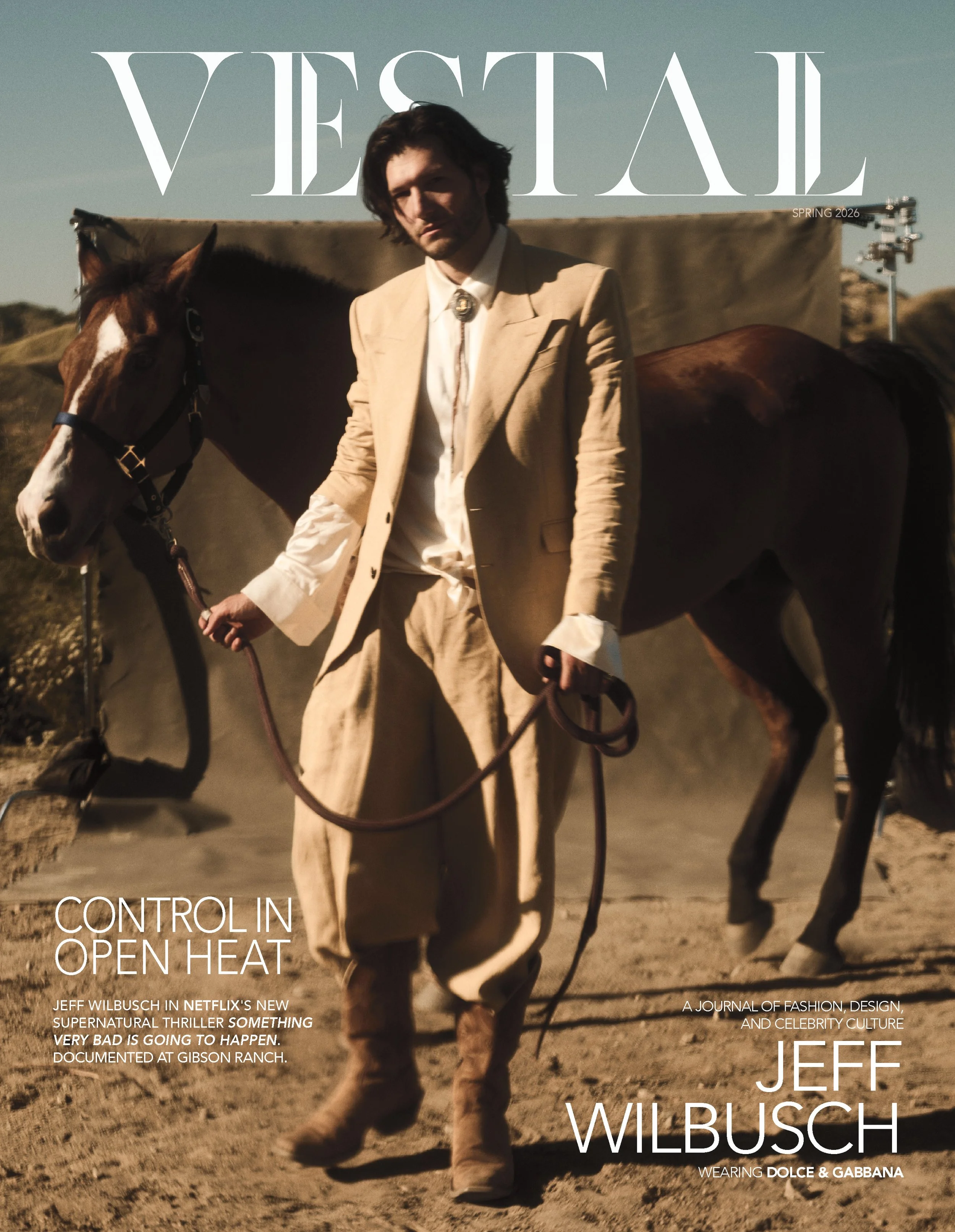
The National Weather Service had already issued the heat warning, but by 1:00 PM at Gibson Ranch, the numbers on the dash felt academic. It was March in Southern California, a month that usually offers a reprieve of cool Pacific air, but today the canyon was a kiln. At 92 degrees, the atmosphere wasn't just hot; it was pressurized. There was no shade, only the blinding, white-hot glare of the high desert, sweat already soaking the backs of jackets, and a fine, alkaline silt underfoot that suggested the earth itself was slowly coming apart.
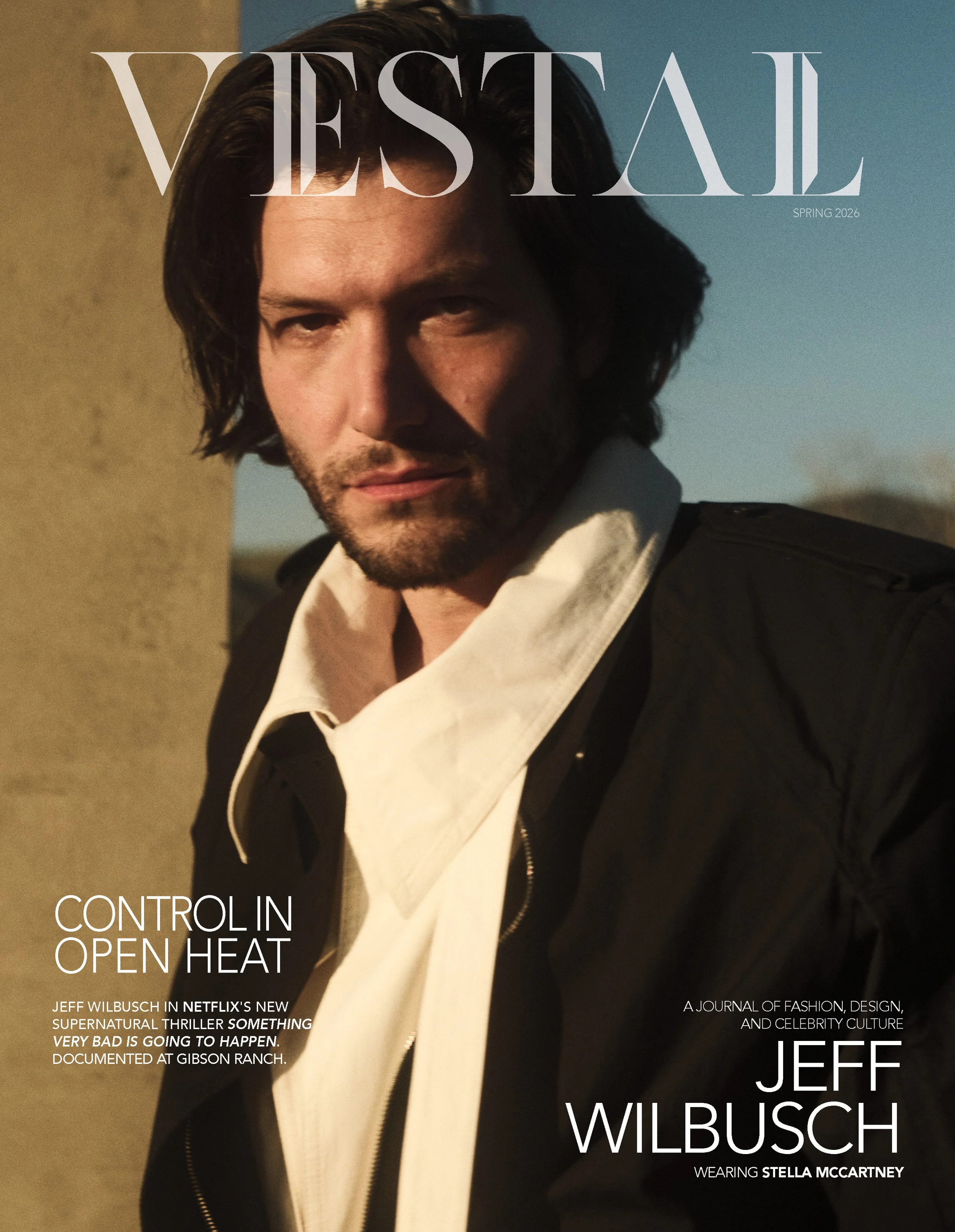
In the center of this bleached landscape, Jeff Wilbusch looks distinctly steady. He’s spent the morning in the saddle, moving with a measured economy of motion. For Jeff, the ranch isn’t a Hollywood retreat; it’s a corrective. It’s the one place where the noise of a career built on portraying fractured, high-tension men finally cuts to black. As the day stretched into an endurance set, we watched the transition from the rugged grit of the ranch to the sharp silhouettes of an editorial shoot. Against the backdrop of the parched Mojave Desert, the architectural lines of Armani, Stella McCartney, and Dolce & Gabbana felt like a defiance of the elements.
Jeff’s latest turn in Netflix’s Something Very Bad Is Going to Happen thrives on this exact kind of atmospheric pressure. The show operates like a slow-motion car crash: inevitable, sun-drenched, and deeply unsettling. As Jules, an anesthesiologist navigating a domestic minefield, Jeff leans into the "irrationality" he once studied as an economics student in Germany. He understands that humans rarely act to maximize profit; we act out of the messy, illogical gravity of trauma and love. It's a framework that turns out to be surprisingly useful for playing a man coming apart at the seams. As the brutal afternoon heat finally broke, giving way to a desert sunset that turned the sky a bruised violet, the floodlights came up for the night sequences. We sat down in the cooling dirt to talk about the "horse whisperer" who saved his sanity, the visceral weight of stepping into another life, and why, even when the script is perfect, you still have to keep it risky.
INTERVIEW WITH KELVIN HARRISON JR.
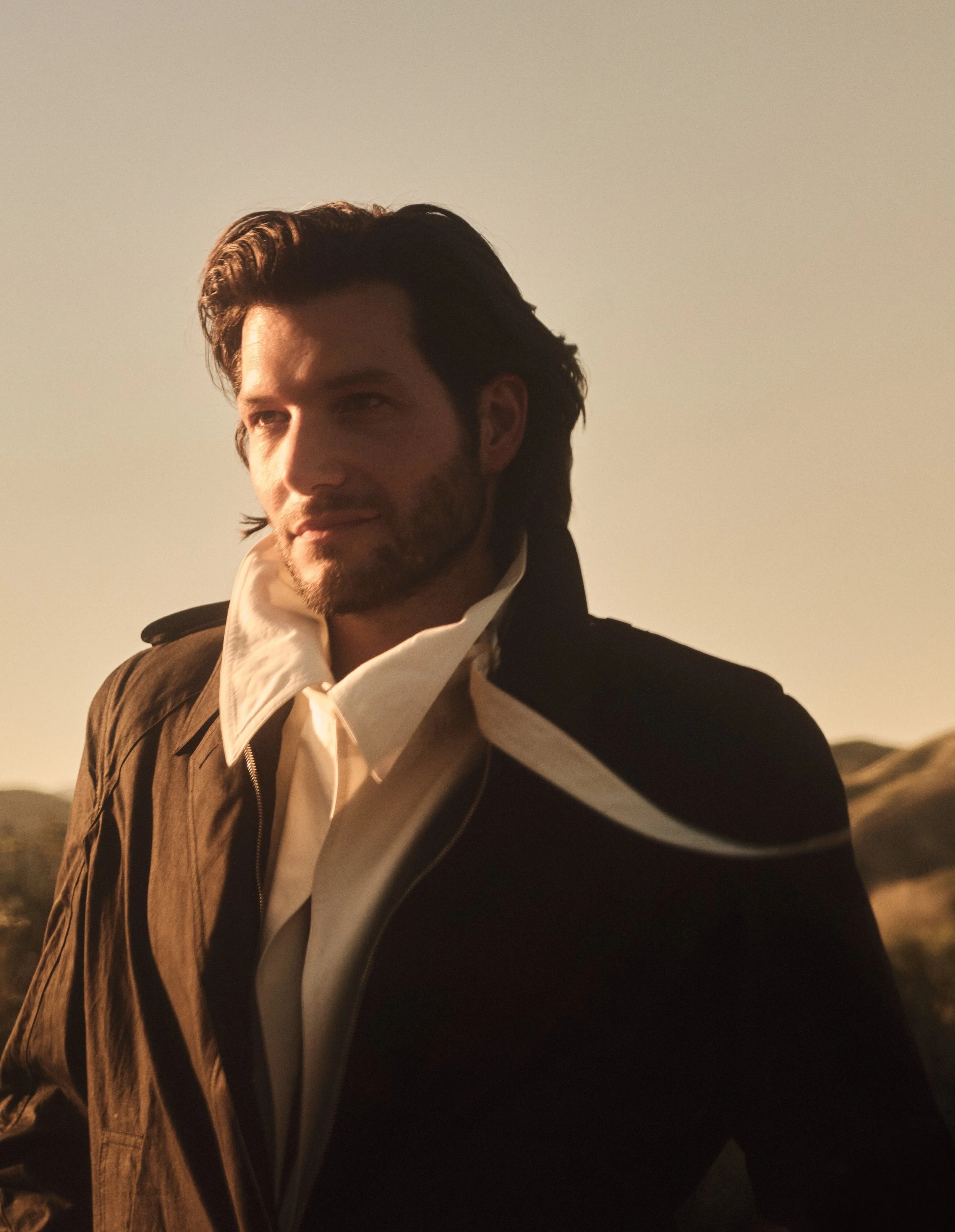
Total look PRADA.
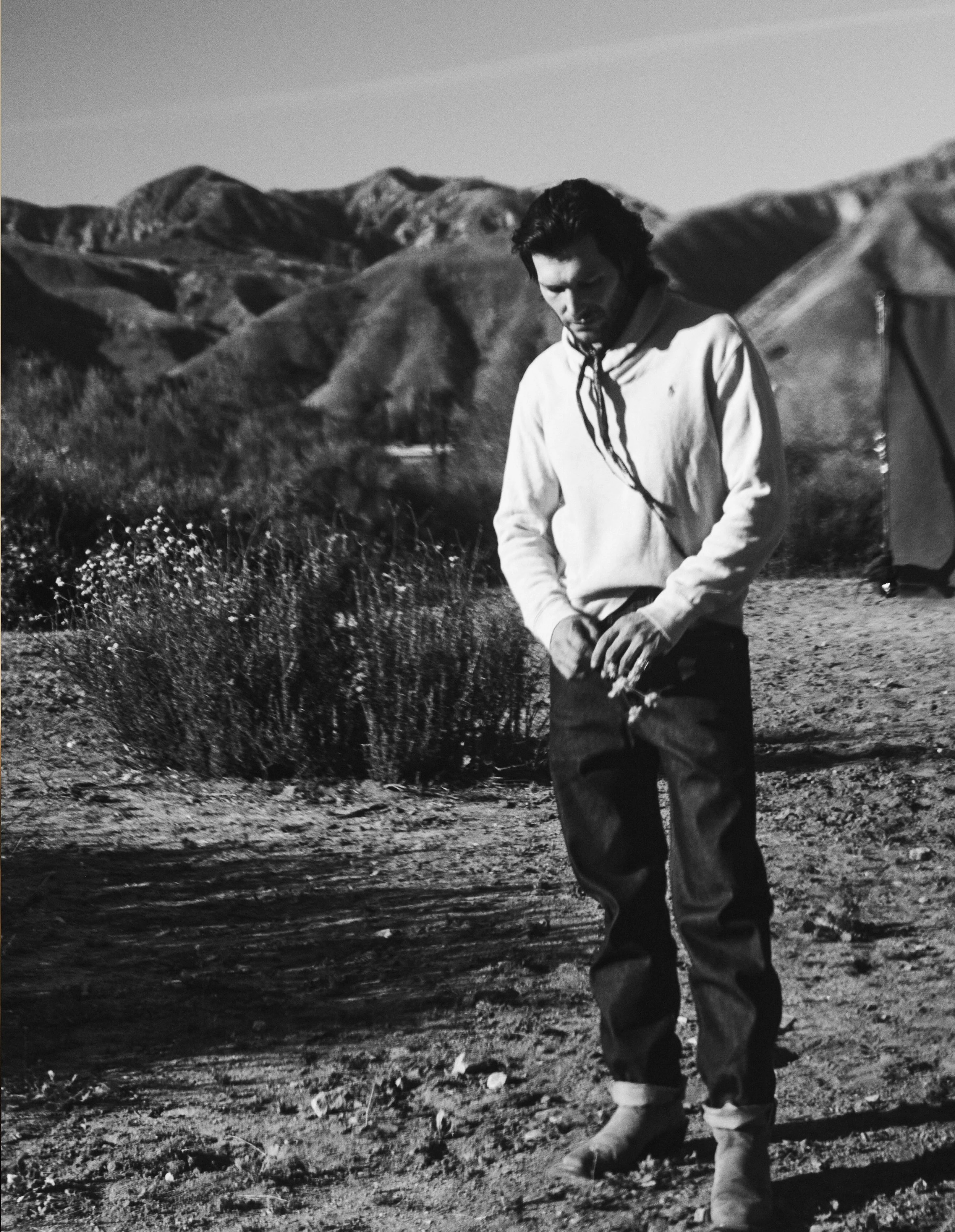
Total look PRADA.
“ THEATER BROUGHT ME BACK TO WHAT I LOVE ABOUT ACTING: TAKING THE ORIGINAL CHARACTER AND FIGURING OUT HOW TO FLESH IT OUT.”
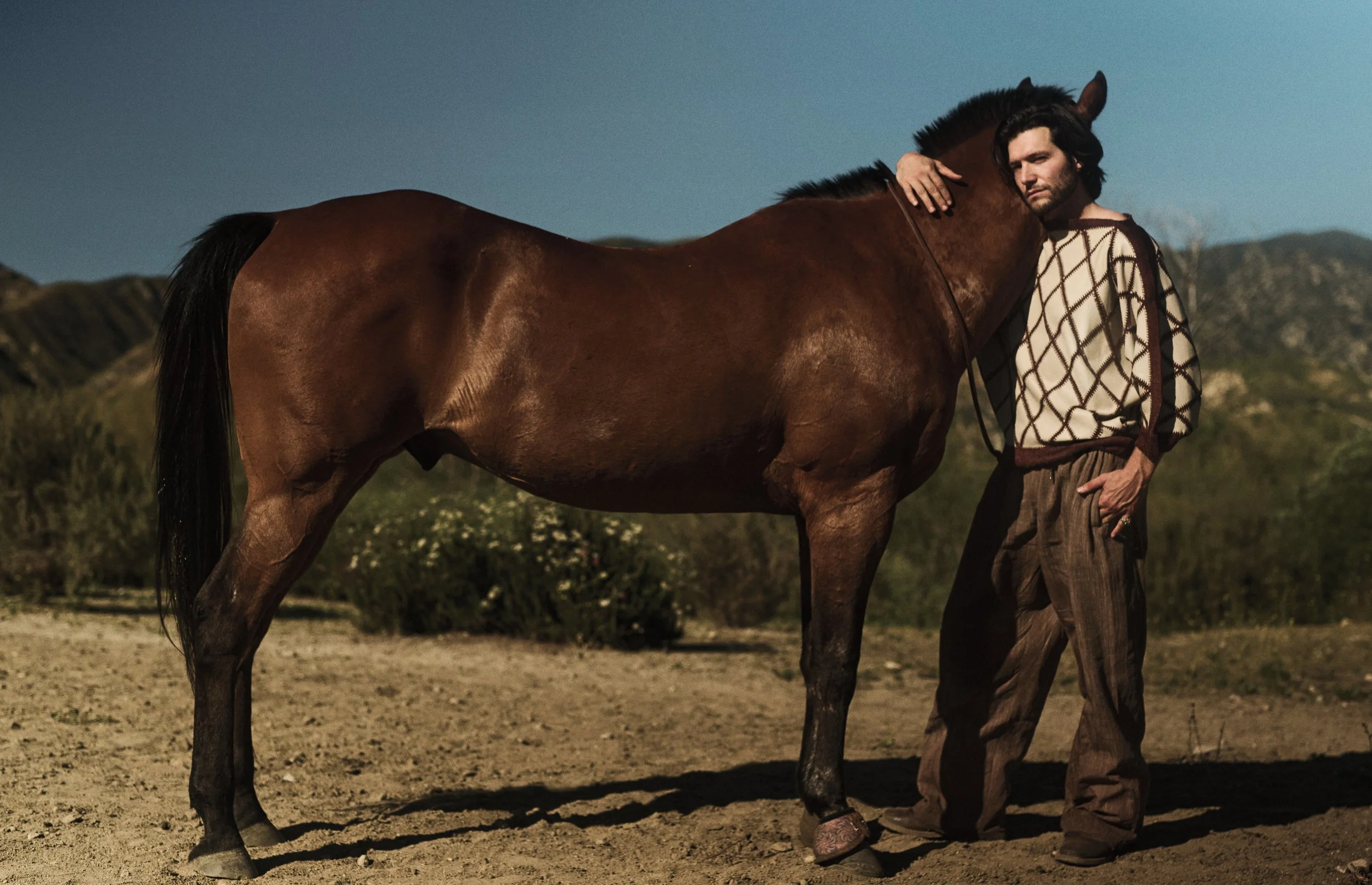
PHOTOGRAPHY KEVIN SINCLAIR STYLING MICHAEL FISHER
INTERVIEW DAVID GARGIULO DOCUMENTED IN THE MAGIC ROOM AT THE NED NOMAD
Total look PRADA. Available in Prada boutiques worldwide.
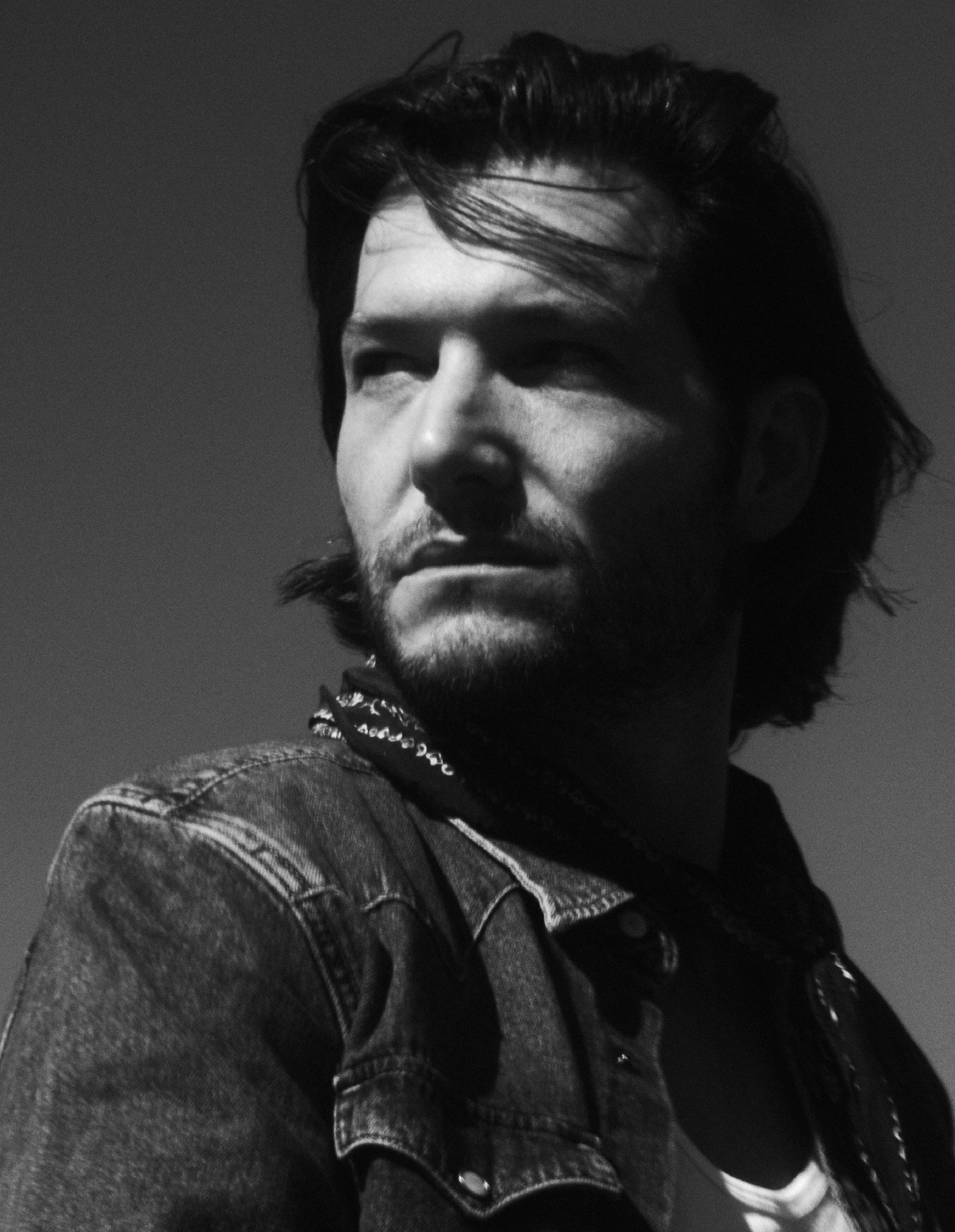
Total look PRADA.
David Gargiulo __ I understand you speak five languages, English, German, Dutch, Hebrew, Yiddish, tell me how that happened.
Jeff Wilbusch __ I moved around a lot growing up, and I’ve always been fascinated by languages. My grandfather was also a kind of polyglot, so maybe that curiosity came from him. I just love languages. I wish I spoke even more. I can get by in a few others, a little Italian, some French, even a bit of Arabic, which I find incredibly beautiful. I studied economics in Germany and in the Netherlands, and later I trained as an actor back in Germany.
DG __ So acting came after economics?
JW __ It was definitely a career change. I’m actually very grateful I studied economics. At the time, I was in survival mode. I didn’t even know acting was something you could choose as a profession. I thought actors were born into it, like princes [laughs] either you were one, or you weren’t. I grew up quite simply and money was always a big theme. I wanted to understand how the world works, how money works, how people make decisions. What fascinated me most was the psychology behind economics: game theory, human behavior, the unpredictability of people. Economic models assume that everyone acts rationally to maximize profit, but people don’t behave like that. We’re emotional. Sometimes we act against our own interests out of trust, fear, love, or even revenge. You can explain conflicts, even wars, through that emotional dimension. Human behavior isn’t logical and that realization stayed with me. When I finished my studies, I felt I had a foundation. Then I asked myself: “What do I actually want to do with my life?” I realized I needed to work with emotions. I was writing music, playing guitar, trying to express things creatively, even though I didn’t yet see it as a career. Looking back, I think I was always acting, even as a child, but I didn’t recognize it. I started watching films relatively late; Billy Elliot was one of the first movies that really impacted me. Eventually, almost intuitively, I auditioned for acting school without much theater experience. I just said the words and tried to mean them. In a strange way, that innocence helped me. Later you spend years learning technique, and now I feel I’m returning to that original instinct again, combining what I’ve learned with that first impulse to simply tell the truth.
DG __ You told me before that the Gibson Ranch is your happy place in LA, tell me how you discovered it and why it’s your happy place.
JW __ I moved to Los Angeles about five years ago, but I wasn’t actually working here. I would come back between jobs in Canada and Europe, audition, wait, and then leave again. I’m now in LA shooting The Morning Show, which feels special spending so much time here. I love my home in LA, but I realized I was missing something outside the city, something grounding. I got cast in a European Netflix project that required horseback riding, and I had always loved horses but never really had access to them growing up. I used to think acting was enough, that my job was also my hobby, but I started feeling the need for something completely separate from the industry. That’s how I found Gibson Ranch, and I met Mariah, who is truly a horse whisperer. It immediately became my second home. Even the drive there changes my mood, within half an hour, the mountains appear and all the noise and anxiety just fall away. Being with horses is incredibly grounding. You have to be patient, calm, and present. They respond to emotion instantly; it’s a real partnership. There’s no pretending. They teach you intuition, respect, and clarity at the same time. I love living in Los Angeles, the energy, the creativity, but the ranch feels like another world. You watch the purple sky at sunset, see families riding together, kids growing up around animals. It’s peaceful in a way that’s rare so close to a big city. Horses aren’t transactional. It’s a relationship. Some days are easy, some days aren’t, but that’s exactly why it matters. I realized I truly needed that connection. It gives me balance.
“ WHEN YOU DON’T HAVE THE MOBILITY TO BLEND IN, YOU’RE FORCED TO DIG DEEP INSIDE YOURSELF TO FIND YOUR OWN HAPPINESS, YOUR OWN PEACE, YOUR OWN SECURITY.”
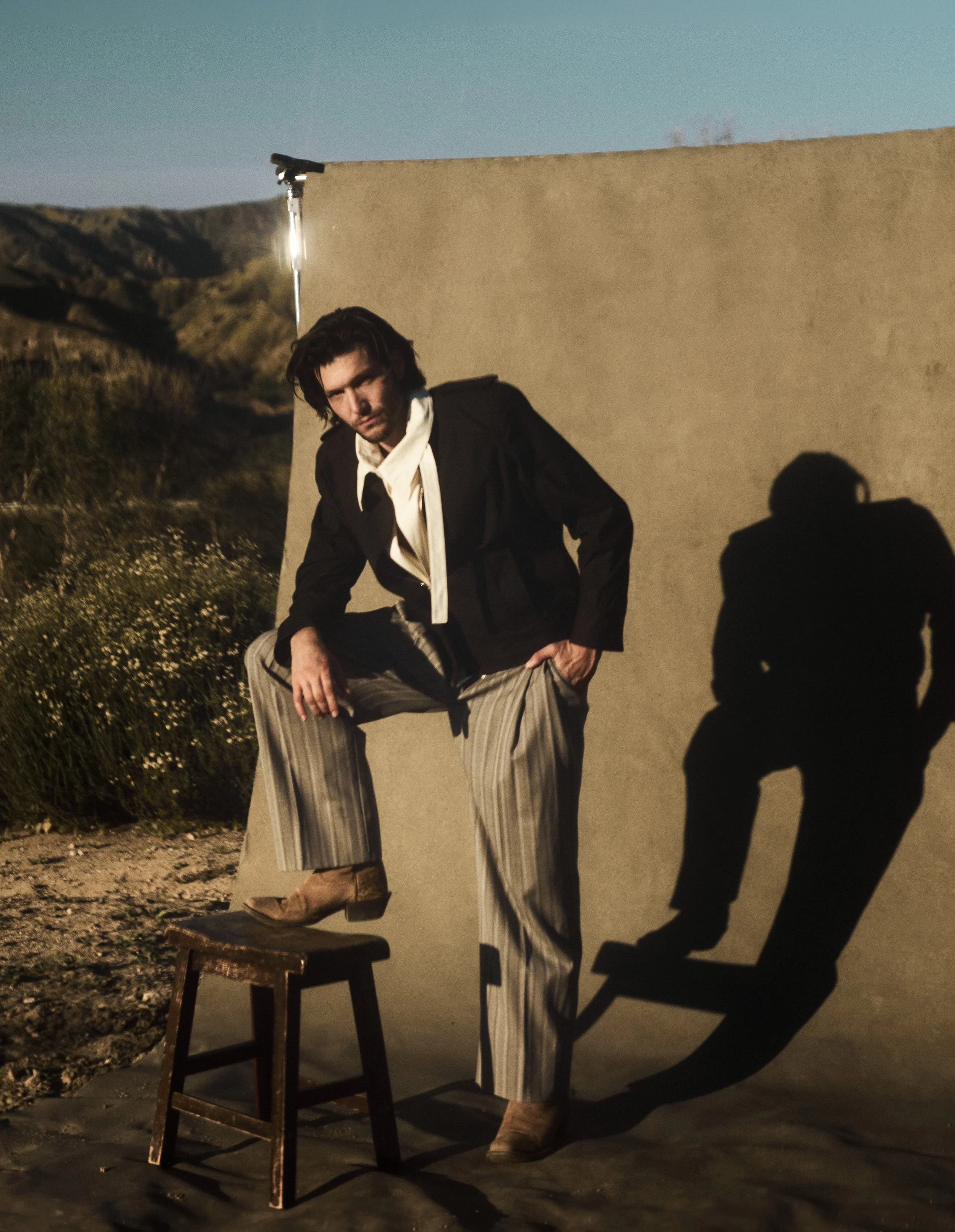
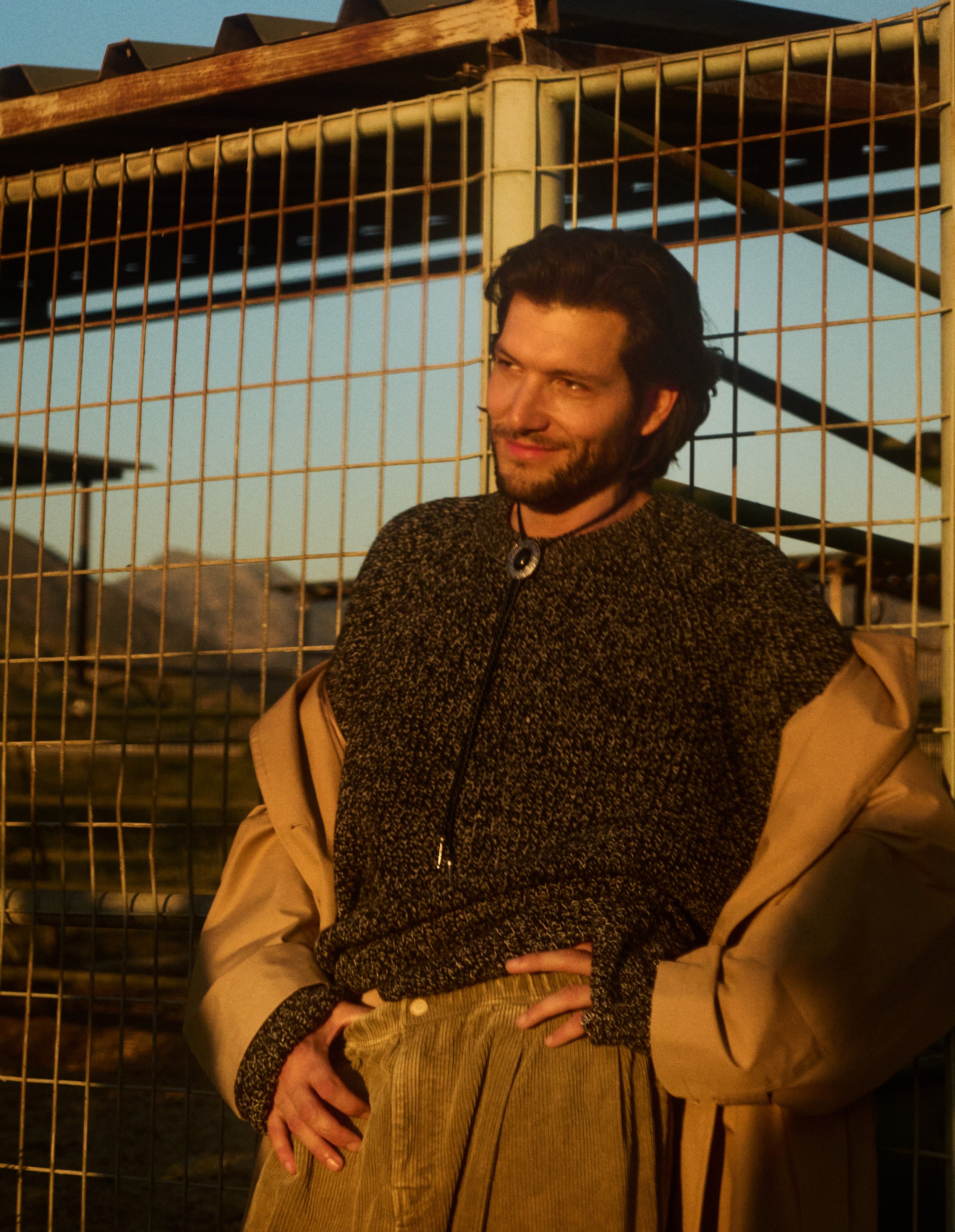
Total look PRADA.
“ WHAT I TRY NOT TO DO IS LOCK MYSELF INTO A SPECIFIC LABEL OR IDEA OF WHO I’M SUPPOSED TO BE. THE ONLY THING I WANT TO REMAIN CONSISTENT ABOUT IS THAT I’M EXPLORING, STAYING CURIOUS.”
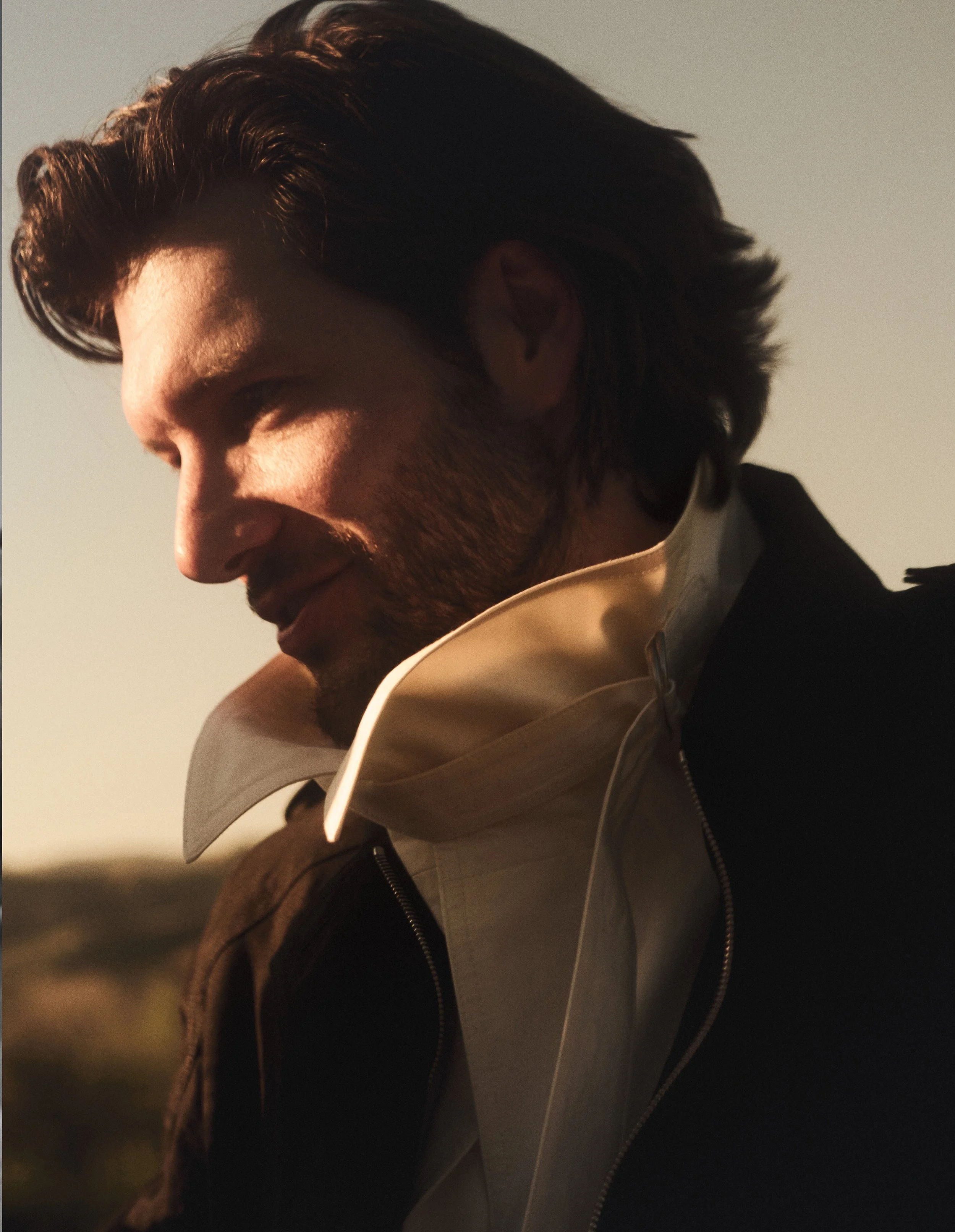
Total look PRADA.
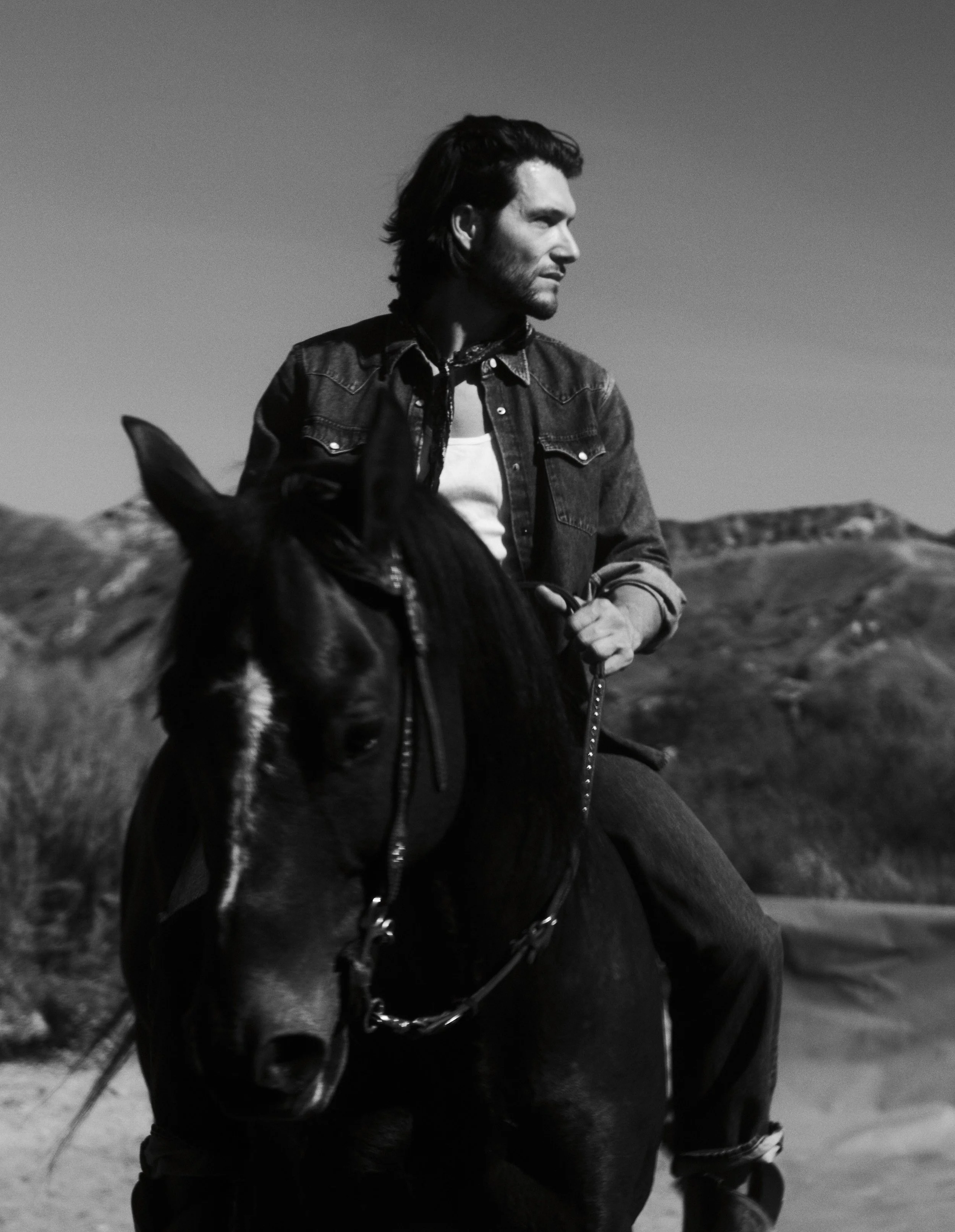
Total look PRADA.
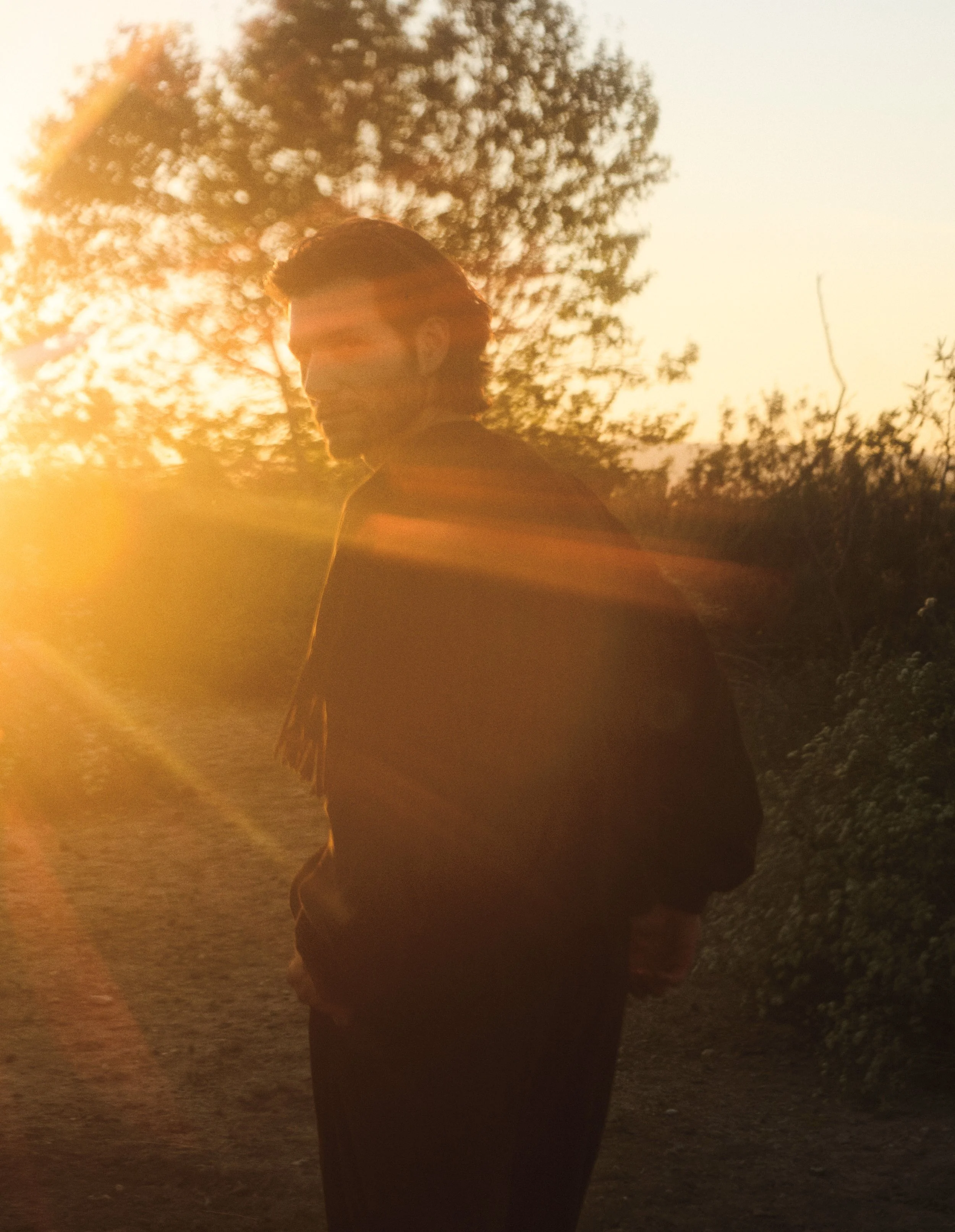
Total look PRADA.
DG __ I loved Something Very Bad Is Going to Happen. The title itself feels like a warning label. What did you think when you first heard it, even before understanding the story?
JW __ To be honest, I didn’t focus on the title at first. Of course, it sounds ominous, you already know something terrible is coming, but what interested me was why it happens rather than what happens. It reminded me of a theater production I once did where my character dies at the end, and the director decided to reveal that moment at the very beginning. Suddenly the story became about understanding the emotional journey that leads there. This series works in a similar way: you sense early on that something irreversible has occurred, and the tension comes from watching the events unfold and understanding the characters’ choices. What truly pulled me in was the character description. My character, Jules, is full of contradictions, trauma, vulnerability, unpredictability. He’s a wild card. Sometimes you read a role and your whole body reacts before your mind does. I told Haley [Z. Boston] that it felt as if she had written the role for me without ever knowing me. There was something deeply personal about it. Honestly, it’s one of my favorite characters I’ve ever played.
DG __ There’s something inevitable in the phrasing, Something Very Bad Is Going to Happen, like fate. Do you believe in fate? Do you think we can escape it?
JW __ Great question. Greek mythology is one of my biggest inspirations: Orestes, Oedipus, all those stories about destiny and generational trauma. The question is always the same: do we inevitably become our parents, or can we change? Can therapy, awareness, or hard work actually rewrite our story? If I’m honest, I don’t fully know. I want to believe in free will. I believe people can change their circumstances because I feel I’ve experienced that in my own life. It’s not easy, and some things take much longer than we expect, but I do believe movement is possible. I guess that means that I don’t believe in fate as something fixed or written in stone. We’re given patterns, histories, maybe even wounds, but we also have the ability to transform them. I see it even with horses. You hear stories about animals that were once wild or unreachable, and with patience and trust they completely change. Human beings are similar. With enough work, love, and obsession, we can reshape who we are. Acting feels connected to that idea. Every time you become a character, you step into another life, another possibility. Identity itself is not static.
DG __ The show is a horror, but not a conventional one. Watching it, I felt this constant sense of unease just beneath the surface. It’s subtle, not jump-scare horror. It’s rather brilliant. What do you think makes something truly unsettling, and how did it feel stepping into that atmosphere for the first time?
JW __ It’s a combination of things. First, the writing, that’s always the foundation. If the script isn’t strong, nothing else really matters. But when it is strong, you can layer acting, camera work, directing, and everything else on top to create that tension. For me, it’s also about authenticity. When a writer pours their heart into a story, you feel it. It doesn’t matter if it’s action, comedy, or horror, when it comes directly from the heart, it resonates. That’s what I felt here. Even from the start, the relationships are so rich and complex. You sense there’s a whole iceberg beneath the surface. Every character, every dynamic has meaning. That’s where the unease comes from. The family has secrets, pasts, histories and as you peel back the layers, the tension grows. It’s subtle, psychological, and deeply human. You don’t need a jump scare; a simple line, a glance, or a sound can be eerie because you’re invested in these real, flawed people. The directing, the camera, the staging, it all builds on that foundation to create a thriller that’s unsettling on a different level.
DG __ I noticed that all the characters are decent people. Nobody’s actively trying to hurt anyone, but the mystery and selective glimpses into their lives create that tension.
JW __ Exactly. Real things are happening among them. They’re preoccupied with their own struggles and secrets long before Rachel arrives. That realism, combined with the story’s mysteries, automatically creates an eerie, unsettling atmosphere. It’s not about monsters; it’s about people and their hidden complexities.
DG __ I was on the edge of my seat. I remember emailing Netflix to send me more screeners because I got so invested in the characters [laughs] Talking about your character, Jules, he carries a lot of unresolved trauma. How do you approach a character shaped by so much that’s left unspoken?
JW __ It’s a gift! I just jump in headfirst. That’s the beauty of it: to explore, personalize, really inhabit someone like that. Technically, it’s a challenge: he’s a father, an anesthesiologist, so there are many facets to balance. The show itself asks “where do you show what you know?” The world of these characters is so rich. The tension is in deciding what to put in the light. For me, Jules has such a strong arc. When Rachel enters the family, everything shifts, and he has to confront his demons. That’s what makes him a gift to play.

Courtesy of Netflix
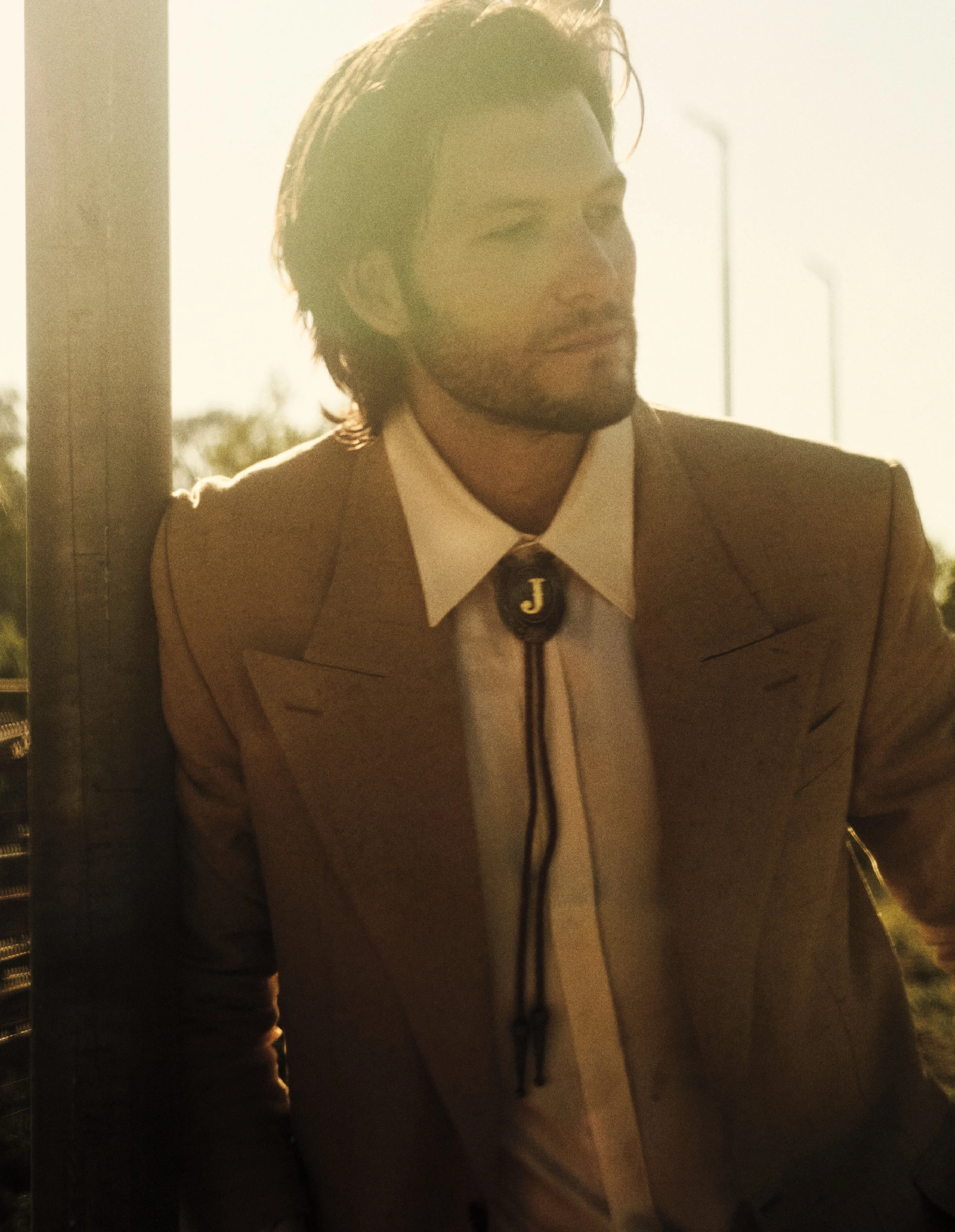
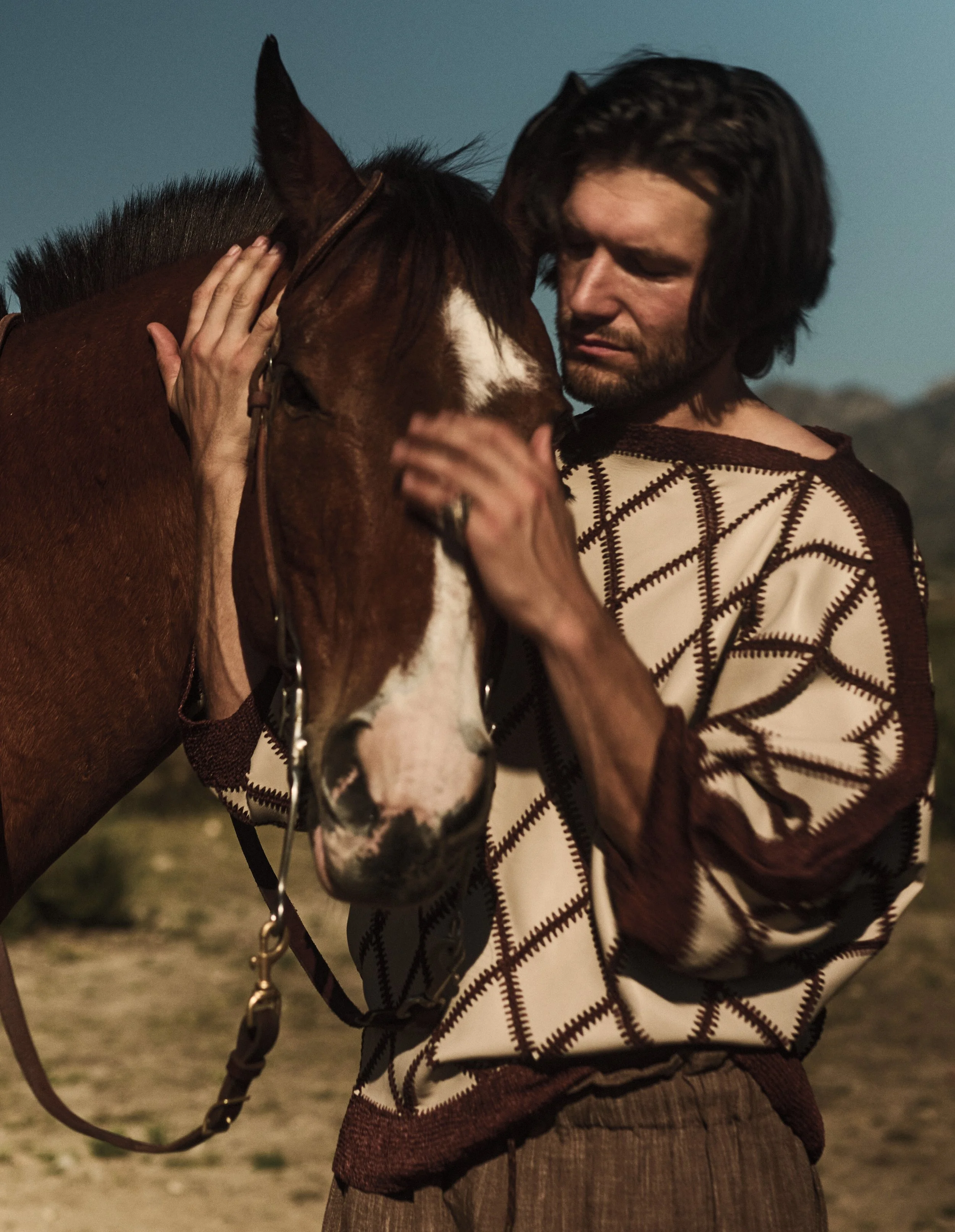
Total look PRADA.
DG __ You did a wonderful job. How do you shake him off at the end of the day?
JW __ Horseback riding! [laughs]
DG __ Duh. Horseback! There you go! [laughs] Are you superstitious?
JW __ The only superstition I feel I have is that I sometimes think, “This is gonna be awesome. This is gonna be great.” But the truth is, you never really know. Life is like the most interesting script, full of twists and turns. All you can do is focus on your part, stay humble, stay grounded, and be grateful. We depend on so many things: the writing, the collaborators, the circumstances. Sometimes you get the gift of incredible writing and a character that gives you so much and it’s not always within your control. So I’m not superstitious, but I try not to think, “It’s done, it’s a sure thing.” I just do my work, love it, and give it everything I can.
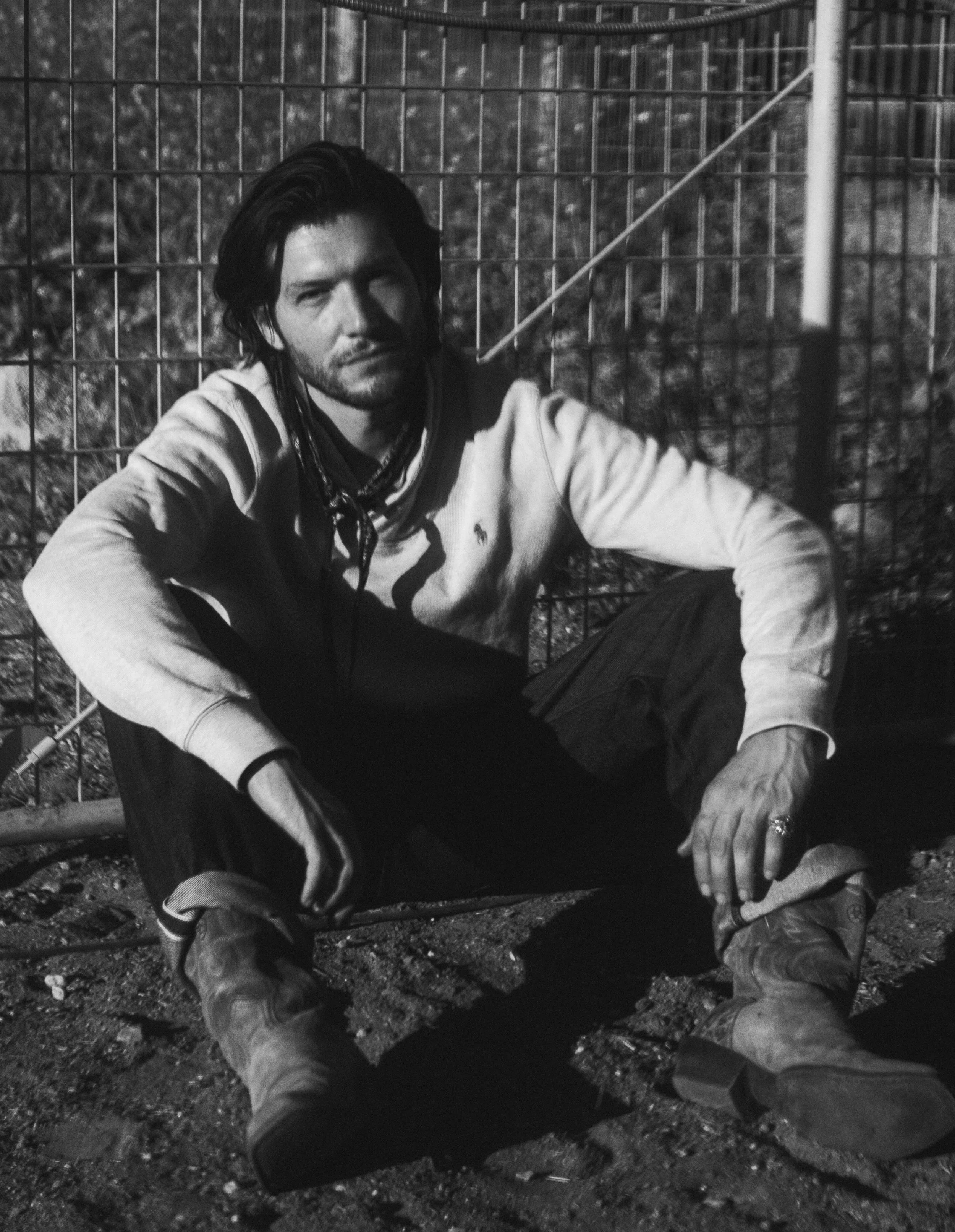
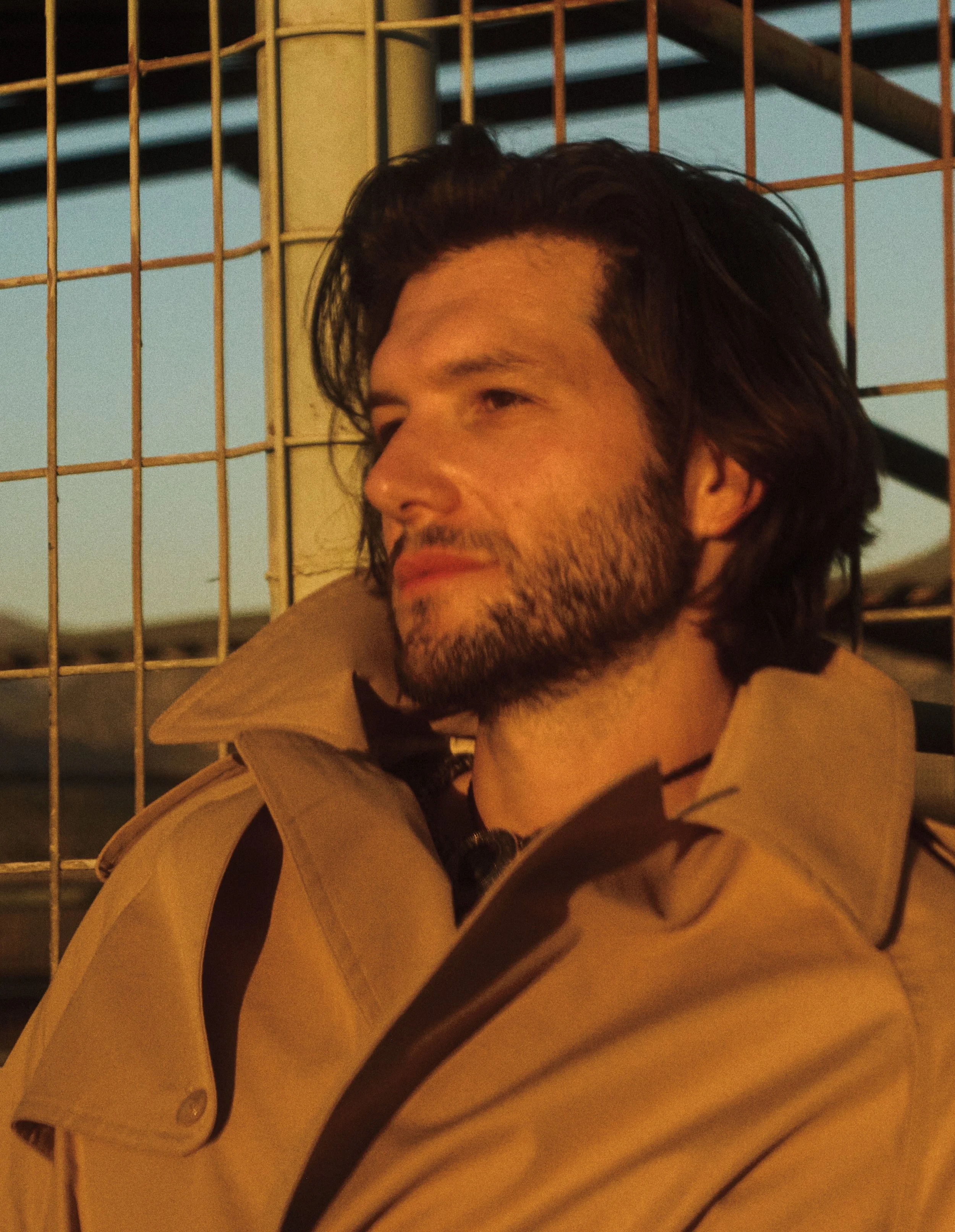
DG __ That sense of humbleness allows you to keep exploring the character and the story. That’s so important.
JW __ Totally. Always keep it risky. Just being good enough isn’t enough. You have to stay curious, stay present. That’s why I don’t like thinking, “I got this, this is gonna be great,” because then I stop challenging myself. DG __ That’s exactly how I feel too. When things are going really well, I can’t help but brace myself, like something very bad is going to happen, which is the title of the show! [laughs] I feel like the world is made of energy and the good must balance with the bad. I guess it’s a mix of superstition and paranoia.
JW __ Exactly! That’s why I resonated so much with the people and the characters. Very sensitive, anxious, overthinking, talented. It’s all right there.
DG __ Looking back at this project, what memory will stick with you the most?
JW __ Shooting the last episode, definitely. I won’t give spoilers but people should watch it, it’s a great story. I also loved the bathtub scene. The show is a piece of art.
DG __ For my final question, I think I already know the answer though. What grounds you when life feels chaotic? You can’t say horseback riding! [laughs]
JW __ [laughs] You know me too well. Horseback riding, definitely! I also do sports like boxing. But the biggest joy is cooking with my friends at home. Just a small group, an evening of cooking, laughing, enjoying food together. That’s my happiness. My nieces and nephews, little simple things like that. Those are the things that really ground me.
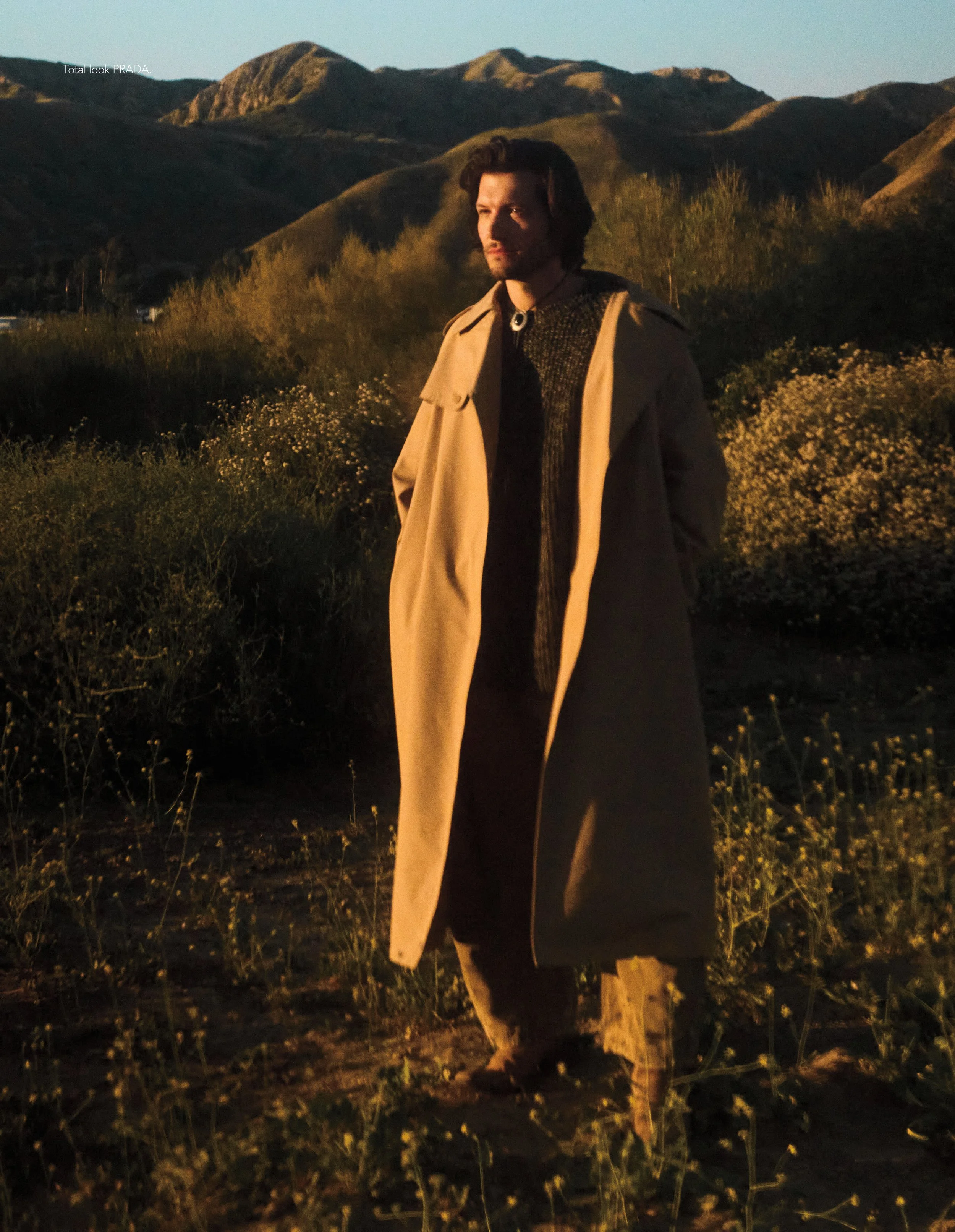
DOCUMENTED IN THE MAGIC ROOM AT THE NED NOMAD
Photography/Videography Kevin Sinclair, Styling Michael Fisher (The Wall Group), Interview David Gargiulo, Groomer Vernon François (The Visionaries) using Olaplex, Light Assistant Benjamin Kim, Stylist Assistants Molly Macintosh, Talent Kelvin Harrison Jr. (Presse Public Relations ). Location The Magic Room at The Ned NoMad (Rachel Harrison Communications)
