

PUBLISHED SEPTEMBER 22, 2026
“ SOME SONGS ARE VERY DARK AND COME FROM MY TRAUMAS, BUT NOW WHEN I LISTEN TO THE MUSIC, IT BRINGS ME SO MUCH COMFORT AND HOPE.”
— BELLA POARCH
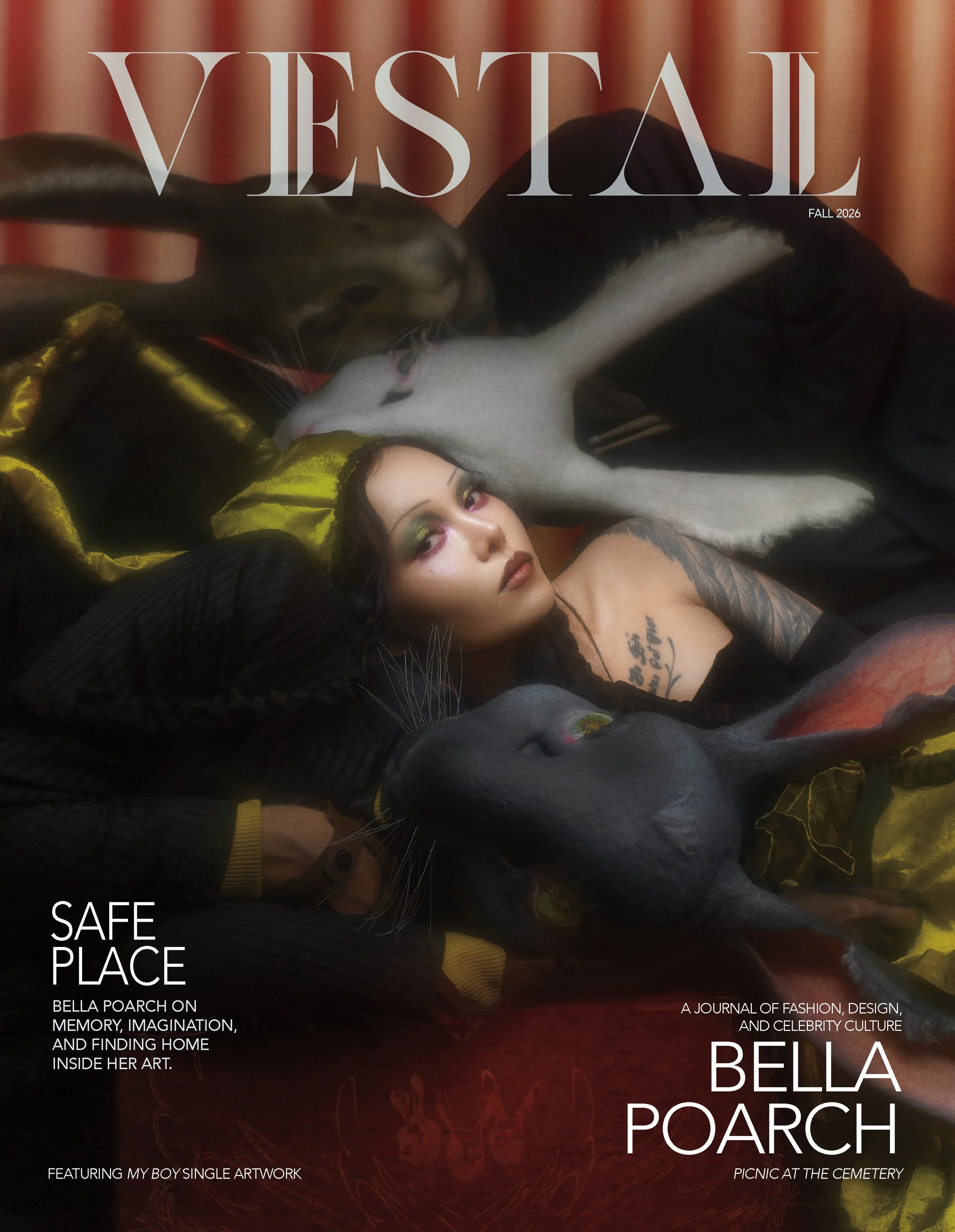
PHOTO AUSTIN PRESLEY
INTERVIEW WITH BELLA POARCH

INTERVIEW BY TINA DIMKOVSKA
Bella Poarch learned early how to disappear into her imagination. Growing up in the Philippines, that inner world became a refuge, filled with imaginary friends and places she could escape to when reality became difficult. Years later, that instinct has become the emotional and visual world surrounding her debut album, Picnic at the Cemetery. Across the record, childhood, grief, heartbreak, and estrangement are transformed into something Bella can finally confront. The Bigheads grew from the same imagination that once protected her, giving shape to memories she had kept buried.
One childhood story captures it perfectly. After her parents took away her paper, notebooks, and pencils to stop her from drawing, Bella and her brother began etching pictures into the leaves of banana trees. It feels like a blueprint for the artist she would become. Take away the paper, and she finds the leaves. Take away the safe place and she builds one. Bella opens the door to the world she once kept entirely to herself and invites us inside.
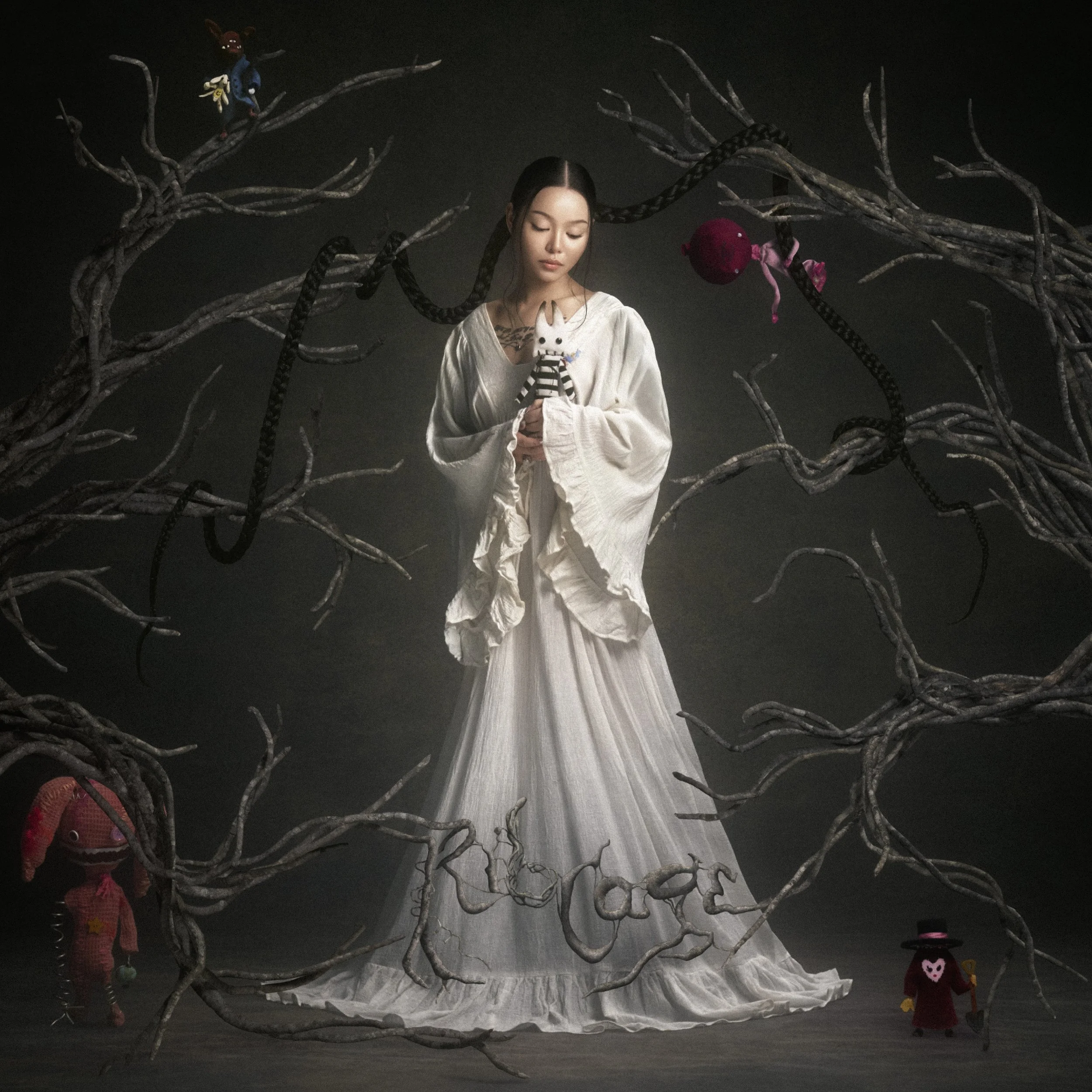
Ribcage single artwork / Photo by Austin Presley.
“ I REALIZED THAT FAMILY CAN ALSO BE YOUR FRIENDS, ANDI’M REALLY GRATEFUL FOR THE SUPPORT SYSTEM I HAVE NOW.”
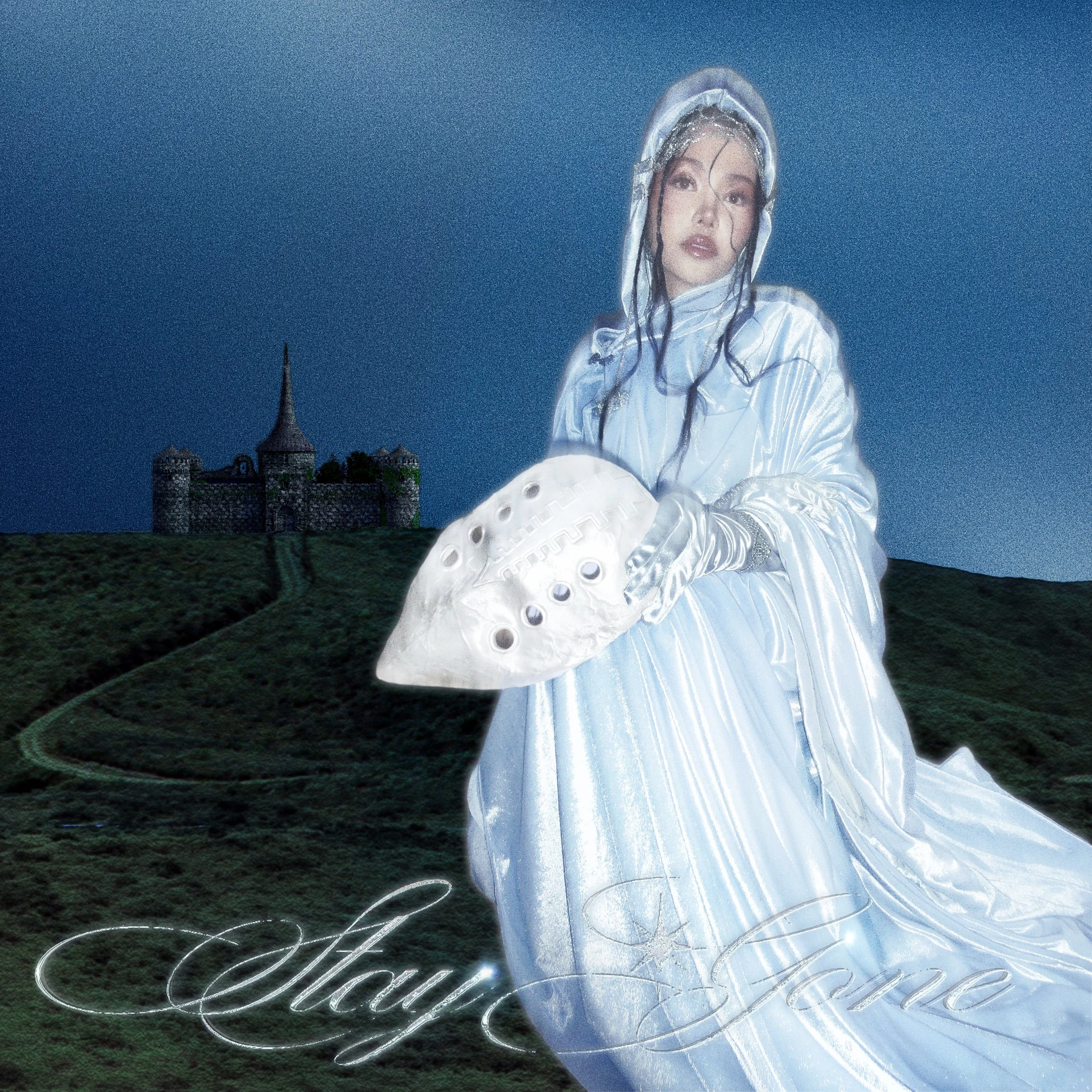
Stay Gone single artwork.
Tina Dimkovska __ Picnic at the Cemetery is such a specific title. It puts something beautiful and communal next to something associated with loss. What does that contradiction say about where you were emotionally when you made this album?
Bella Poarch __ Honestly, I’ve always wanted my debut album to be about my story because I feel like I’ve just been through so much in my life and lived so many lives. I wanted to share that in my songs. Picnic at the Cemetery, even that title alone, means so much to me because it is me being able to revisit my childhood traumas that I’ve been pushing down for such a long time. Now I’m able to sit with them and be okay with the fact that those things happened to me, and that those experiences made me who I am today. I am grateful I am still living this life. I want to be able to help people with my music, and that’s why it’s so important for me to write about my experiences. I want people to connect with songs that resonate with them and help them through tough times in their lives. This album is really special because I’m able to share a lot of the vulnerable things that I’ve never really spoken about in my life. I created characters for each song because some of the things in the album are dark, and with them I feel so much safer talking about them. They’re like my safe little community that I created.
TD __ You built not just an album, but an entire world around it. Where did The Bigheads originally come from?
BP __ I grew up imagining a lot because I used to cope with the abuse at home. I basically did a lot of maladaptive daydreaming. Every single time I was on the farm cutting grass or planting trees, my head was always somewhere else. I was imagining things. I had a lot of imaginary friends because I wasn’t allowed to have friends. In school, I got bullied a lot because I was a loner. It was a tough childhood, but because I was able to imagine myself being in a completely different world, I still had a fun childhood, I’d say, but mainly inside my head. That’s how The Bigheads started. I was writing a song about my imaginary friends, and the track is called Big Head. I remember the day of the session. I was writing the lyrics and melodies and having so much fun because it reminded me of all of the imaginary friends I used to have as a kid, and they were really cute. After writing the lyrics and melodies, the producer added more production elements, and I got bored on the couch. I had my iPad with me, so I thought, you know what? I’m just going to draw a character. That’s how Bonbon was created. He’s the character for the song Big Head. I was basically just doodling at work. I showed it to the producer, and he was like, “Whoa, this is amazing. Is that a character for the song?” That’s how I got the idea of having a character for every single song. That’s how the characters began.
TD __ When you’re creating, do the music and lyrics come first, or do you envision the characters, colors, and imagery first? You’ve built such an intriguing world.
BP __ Oh, thank you. Most of the time I’ll have a music video in my head. But it’s a mixture of different things. Some days I’ll have a melody saved in my voice notes because when I’m showering or doing chores, I’ll have a melody stuck in my head, so I save it. Sometimes it’s just a title. One of my songs is called Loverghost, and for the longest time I’ve always wanted to write a song called Loverghost because it’s such a sweet and dark title. It’s so me. It’s basically a tribute to my grandma who passed away during COVID. I never really had the chance to see her before she passed away because it was during COVID; my flights were canceled, and there was no way for me to go back to the Philippines. That song is basically for her. I’m getting emotional, sorry.
PROMOTION
Courtesy of Bella Poarch. Listen to Ribcage on the Picnic at the Cemetery album
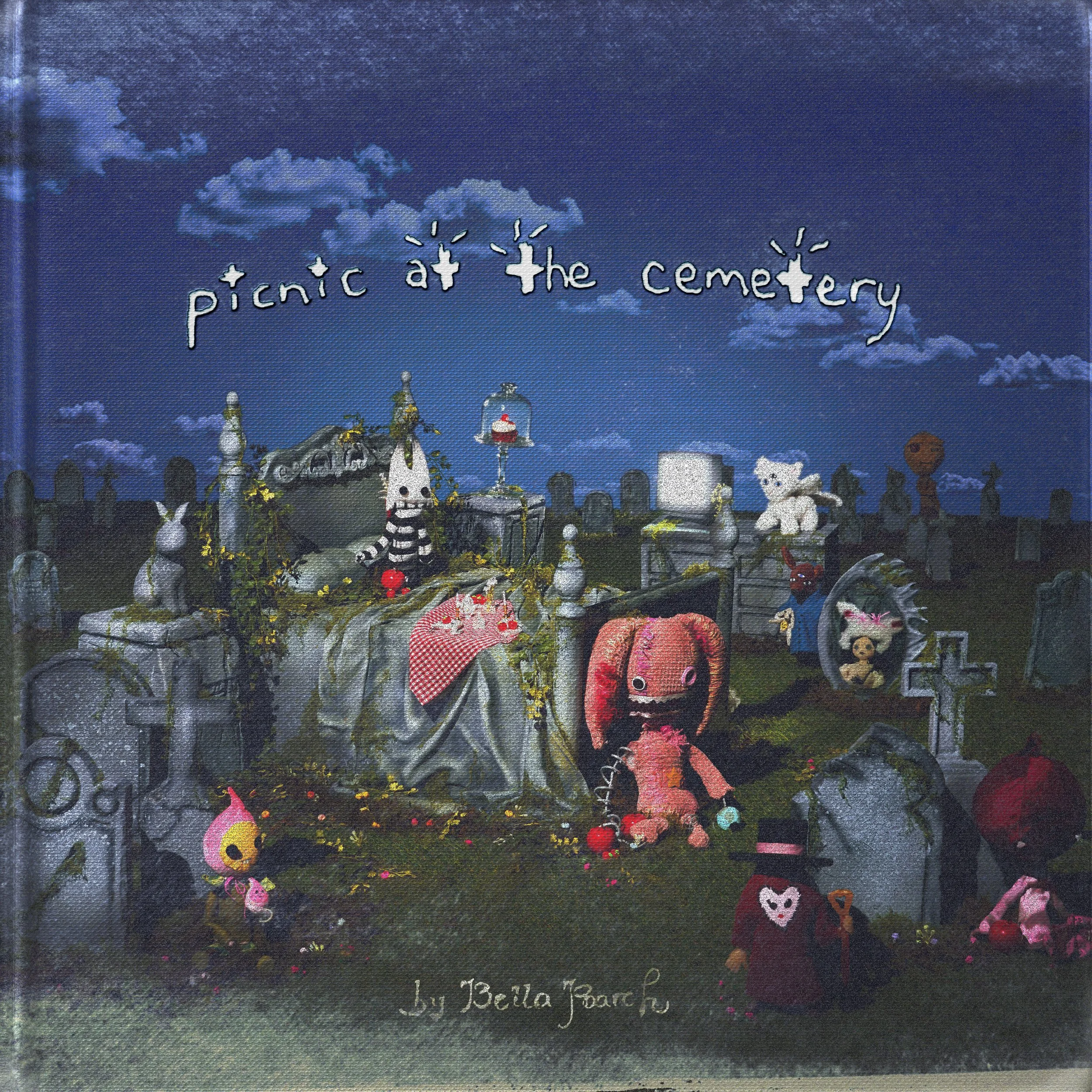
Picnic at the Cemetery album artwork by Austin Presley / Courtesy of Bella Poarch.
TD __ That’s okay. From what I can hear through your music, or rather your art, you’ve really opened up and made some of your most personal work yet. What allowed you to open up differently on this project?
BP __ In the past, I was influenced by people around me. I would
constantly ask people, “What do you think? Do you like the song that I wrote yesterday?” I would always listen to what other people were telling me to write about. The music to me back then was very vague. It was still me, but it was very vague. The music that I write now, and the music that I wrote for the album, is very honest. All of the experiences that I had, I literally put them in the album. You see that in some songs. Nice to Meet Ya is a very honest song about getting cheated on. When you read the lyrics, it is very visual, and it paints the whole story of what happened. I’m just more comfortable sharing myself now because I also met a lot of people in the past couple of years who encouraged me to just be myself and be open about myself. That’s how you make the best music, when you’re authentically yourself.
TD __ I feel like we can also hear this in Stay Gone. It feels like a declaration of moving forward. Was there something you needed to let go of personally in order to make this album and take that step toward expressing yourself even more?
BP __ Honestly, Stay Gone was one of the last songs that I wrote for the album. It was literally New Year’s Eve when I wrote Stay Gone. Instead of going out to party, I was basically stuck at home writing the song because I had this idea. It was very spontaneous. I just wanted to write a song. For Stay Gone, the character is Wick. I’ve shown him in my posts. He’s really cute. I created him before the song even existed, and I already had his lore and his story written before the song was created. I always wanted to write a song for Wick, and it was hard because it’s about letting go. That was something that I struggled with. After writing the song, it honestly made me feel so much better because I learned I could be okay with not having a relationship with my parents. That’s basically what I learned. No matter how hard I try, I think they will just never accept me or change. I’ve always craved having parents, but now, as an adult, I feel like family doesn’t have to be people you call parents, sister, or brother. It can also be your friends. I’m very grateful that I’m surrounded by a very good support system. I think that is the main thing: just learning to let go and being okay.
TD __ That sounds really beautiful. I’m so happy for you that you’ve been able to work that out within yourself.
BP __ Thank you. Honestly, it was very tough writing the lyrics, especially the first verse, because it was about me walking away from home at 17. It was really scary for me. Throughout my military career, I messaged my parents, reaching out to see if they were doing okay. But they never wanted to have that connection with me. They never checked on me or asked if I was doing okay. I was always the one who checked up on them. I learned throughout the years that I think they never cared, and they will never care. And that’s okay because I have family now too. I have my friends. I’m surrounded by so many people who make me feel safe and make me feel loved.
“ I STILL HAD A FUN CHILDHOOD, I’D SAY, BUT MAINLY INSIDE MY HEAD.”
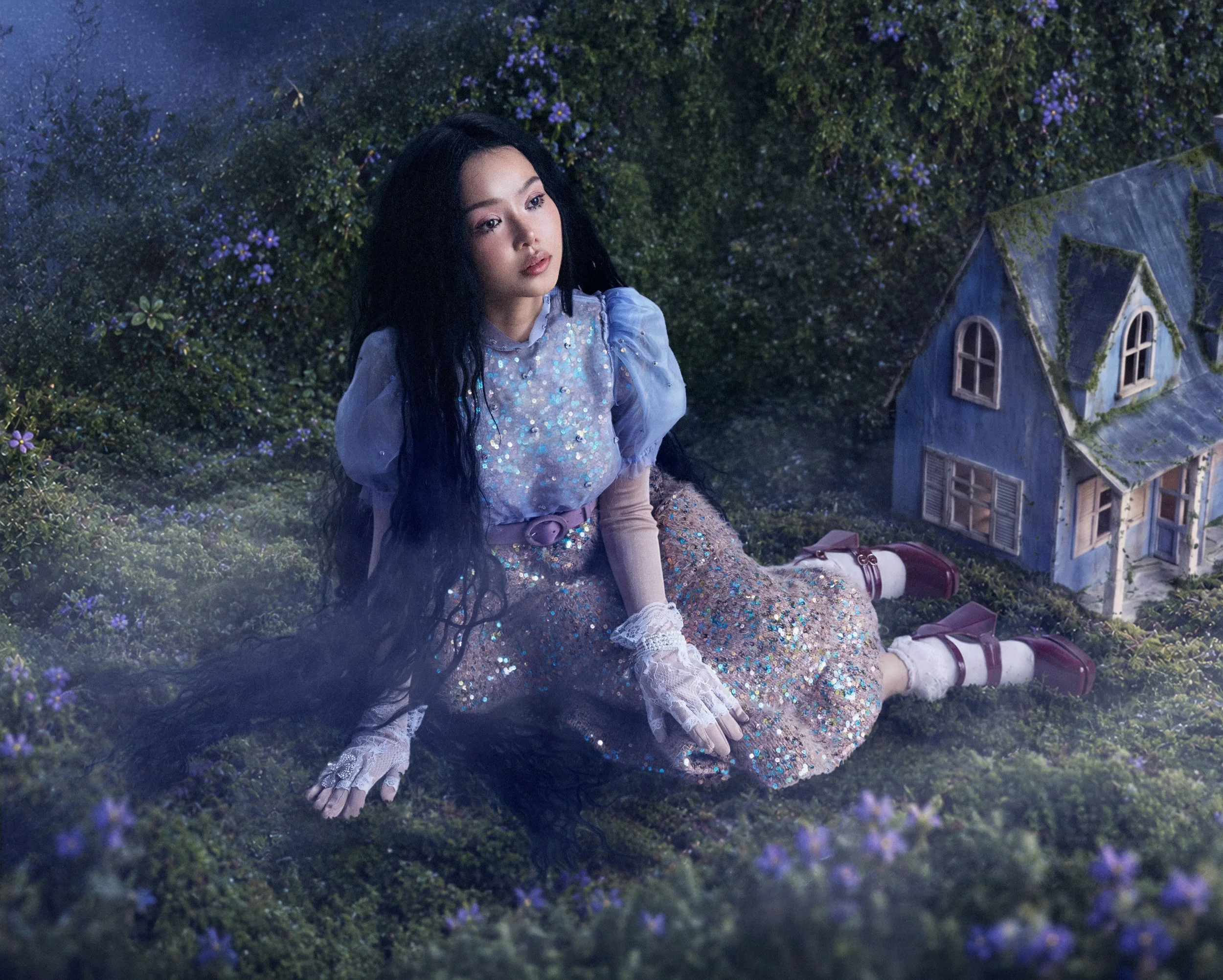
Courtesy of Bella Poarch.
TD __ You’ve lived a lot of lives already, from growing up in the
Philippines and serving in the Navy to becoming a global sensation. Which version of yourself do you feel closest to today?
BP __ That’s a really good question. Honestly, I would say all of those versions of myself because all of those experiences that I’ve had, for every single life that I’ve lived in the past, are the reason why I am who I am today. The Bella who grew up on the farm is why I’m so imaginative and creative. Even when there’s so much chaos around, I’m still able to put my head somewhere else. When I tell people that I can imagine things while we’re writing songs, or when I tell my producer, “Oh, I have a really good music video idea” for a song that’s not even created yet, they’re just like, “What? What are you talking about?” But it’s really fun.
TD __ You have such an interesting creative process. When you’re alone, there’s no camera, no audience, and nothing to promote; what does that creativity look like for you?
BP __ I just love making things. I love creating weird art. I’m constantly journaling or creating art. Those are the two main things I do when I’m alone at home with my cats. Now I feel like I can share my art. In the past, I was always very shy about sharing my drawings and my
artwork with my fans. Sharing my art felt so vulnerable at the beginning, when I introduced the hand-drawn characters, because I was really scared of what people would think. I didn’t want to be judged for my art. It took
a lot for me to share that side of myself because I also associate making art with pain. When I was a kid, my parents didn’t allow me to make art, draw, or do
anything creative at all. I remember one summer when I was really young, probably nine or ten years old, they got rid of all the books, notebooks, paper, pens, and pencils in my room and everywhere in the house. They were like, “We’re not letting you draw on anything.” At school, I would always doodle in my notebooks. I loved doodling and drawing as a kid, so they got rid of all the paper at home. I was really sad, but my brother, who I love, he’s so sweet, told me that in the backyard we had banana trees that we could draw on. Basically, if you take something sharp and etch it onto the leaves, you can draw on the banana leaves. So all summer long, we were etching on the banana leaves. It was a really cute and fun memory. Even though I had such an abusive childhood, there were still fun memories like that with my brother, just on the farm etching banana leaves.
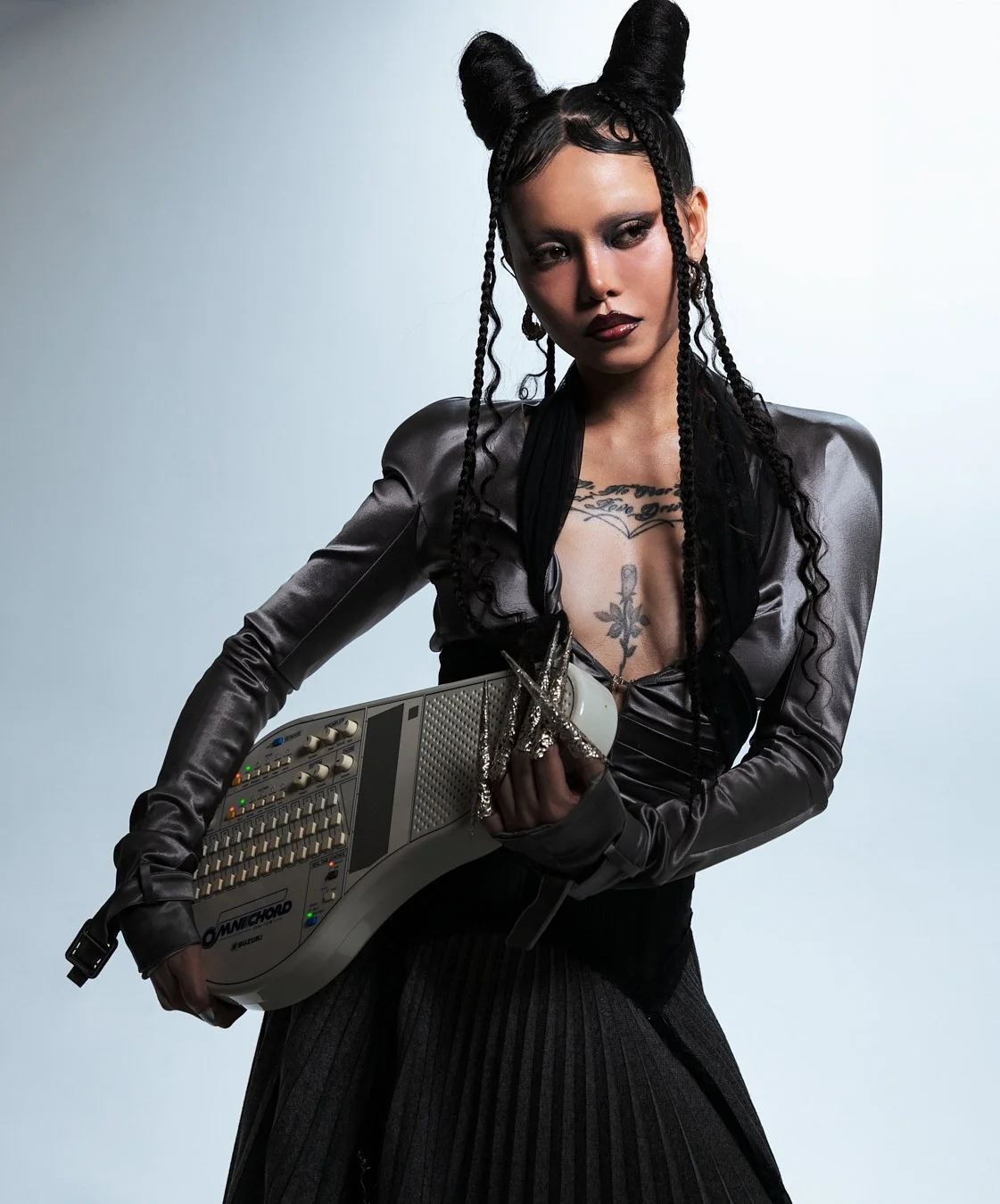
Courtesy of Bella Poarch.
TD __ That’s beautiful. From our conversation, you seem like the type of person who always finds beauty and something good even within the bad.
BP __ I’d like to say that I’m very optimistic. I think because I grew up with so much abuse, I learned that in my head I could just be somewhere else, and that was my safe place. I think my childhood wasn’t as bad because I was able to have imaginary friends even though I had no friends, or just be somewhere else even though I was going through so much at home.
TD __ Is there something about you that your fans understand better than a lot of people in the music industry do?
BP __ I would say the lore in the album, honestly, or just my music in general. When I started writing the album, I told them I was writing an album, and I've been teasing the title ever since. They were really excited, so they’ve been on this journey of how my album came to be. I love interacting with them. I have this private Instagram that I created a few months ago where I share the characters. I actually tease the characters there before I tease them anywhere else. I shared what the characters were, how much they meant to me, and what their stories were. I have this little community that is really excited for the album because they know who the characters are, and they’re so invested in the story. I told them I’m writing a storybook for the album, so it’s very exciting that they’re excited about that.
TD __ If you could physically take someone inside the world of Picnic at the Cemetery for an hour, what would they see, hear, and feel?
BP __ If I were able to take someone into the world of Picnic at the Cemetery, I would say they would experience a lot of fun. It would be such a whimsical, ethereal world where you see characters like The Bigheads, and you get to have fun and explore and not be scared of anything. I think you’ll probably see some of your fears in Hideaway, but you’re not scared or bothered by them because you’re in a safe space. That’s how I feel with the album. I’ve shared so much of myself in the music, and some songs are very dark and come from my traumas, but now when I listen to the music, it brings me so much comfort and hope. It’s very cathartic that I’m able to share my experiences with people in my favorite way, which is music. I’m very excited because, when listening to the album, I feel like people are going to have a roller coaster of emotions. I tell people not to shuffle the album because I want them to experience every single song the way it is listed on the tracklist. So I hope you don’t shuffle. I feel so free putting this out into the world, and I hope people resonate and connect with it.
TD __ When Picnic at the Cemetery belongs to the world, what do you hope people understand about you?
BP __ I hope they understand why I created Picnic at the Cemetery, the world that I created, and why it exists. I hope they find something in Picnic at the Cemetery that they relate to. I want to share hope and positivity. This album is very special because I can share my stories and my art.
PROMOTION
Courtesy of Bella Poarch. Listen to Stay Gone on the Picnic at the Cemetery album
