

INSERT CHANEL WINTER 2026 COLLECTION
Courtesy of Chanel.
IN PARIS, CONES AND COLOR SHAPE A WINTER WHERE EVERYTHING UNDER CONSTRUCTION IS BUILT TO SHINE
Chanel staged its Fall/Winter 2026 collection inside the Grand Palais, a space tied to the house’s history. Construction cranes rose above the runway, their bright color cutting through the glass structure, while the floor reflected light back into the room, establishing an environment suspended between heritage and construction. Under Matthieu Blazy, that environment set the tone before a single look appeared. The collection did not arrive as a singular statement. It was built gradually. Jackets, skirts, and suits carried the structure for which Chanel is known. Tweeds appeared lighter, sometimes broken with knit, sometimes layered in ways that shifted how they sat on the body. Shirts came untucked, proportions loosening slightly to feel less formal. It was not a rejection of the house codes, but a realignment of how they function now, continuing the house’s long dialogue between function and transformation first introduced by Gabrielle Chanel. As the collection moves, color begins to come in almost unexpectedly. What opens gradually gives way to something more saturated. Soft pastels appear first, followed by brighter tones. Pinks, yellows, and vivid blues move through the lineup, shifting the show's energy. The transition feels organic. Where the early looks hold discipline and structure, others begin to open up, bringing in a sense of optimism. Tweed picks up a subtle sheen, knitwear takes on color in a different way, and tailoring feels lighter without losing its line. The color doesn’t break from the house vocabulary. It reframes it, keeping everything connected rather than pulling it apart.
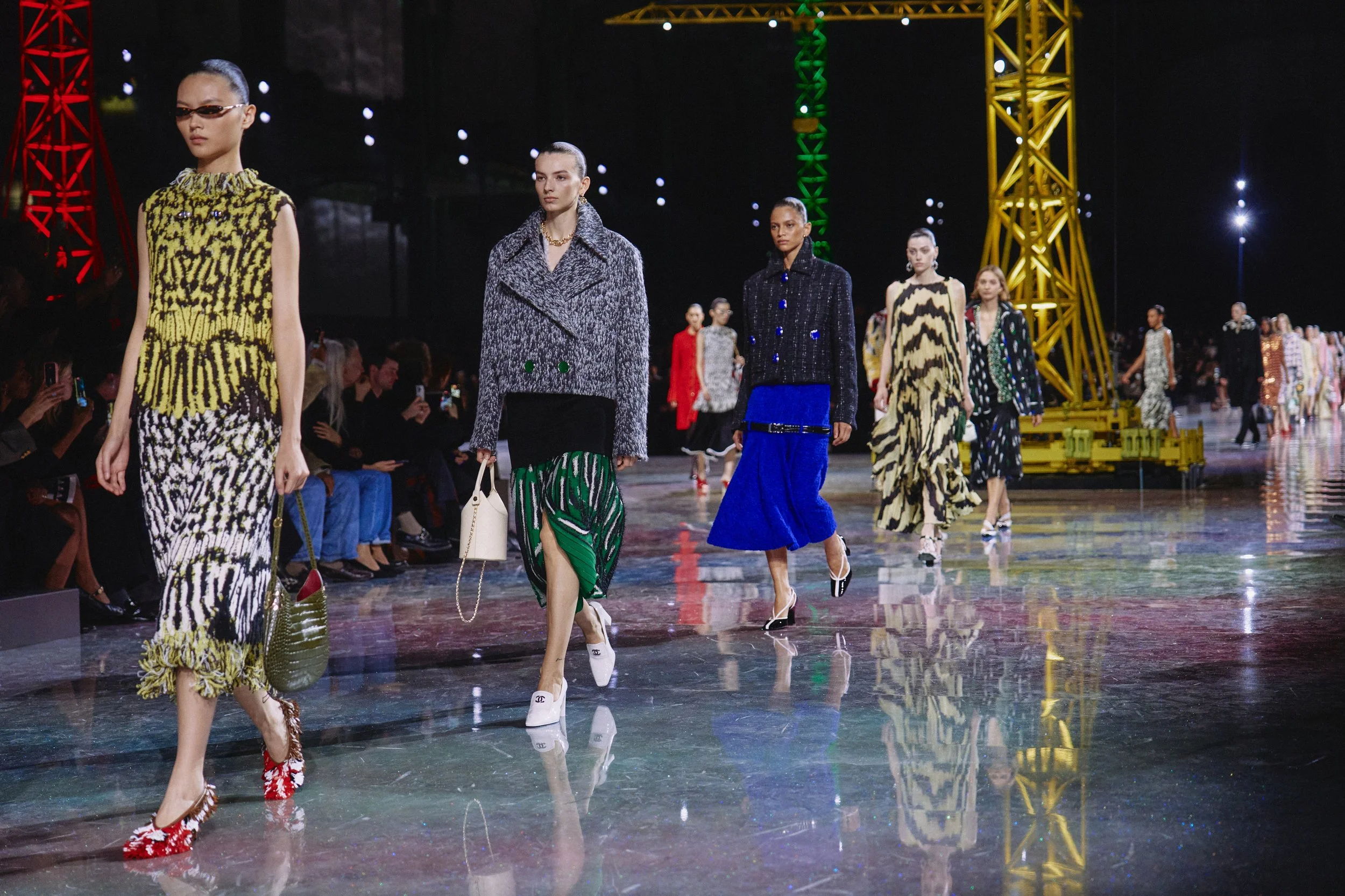
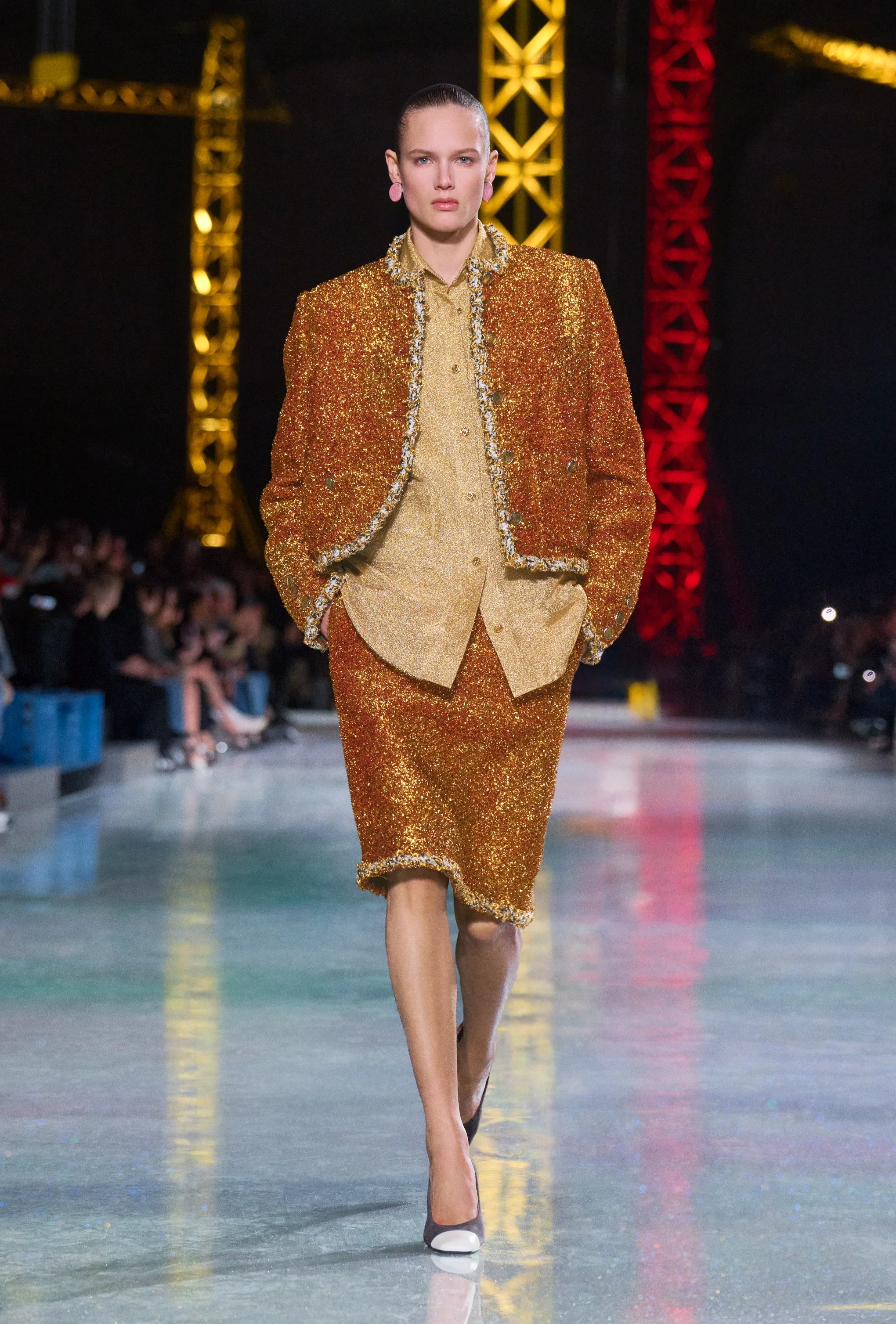
The shift also changes how the garments were perceived on the runway. As brighter tones move across the runway, the collection gains momentum. What began as a reflection evolves into expression. The clothes appear less anchored to tradition and more responsive to the present moment. It reads as a subtle expansion of Chanel’s identity, not a break from its past, but an opening toward possibility. Semi-sheer textures introduce energy, one that feels closer to evening but doesn’t fully leave the day behind. It moves between function and something more expressive without separating the two. Day and night exist in the same line. They feel connected. As Gabrielle Chanel once said, “We need dresses that crawl and dresses that fly,” a thought that runs through the collection. There is also a noticeable focus on how the clothes move, and nothing feels static. Even in the more structured looks, there’s flexibility. It is a house working through its own codes in real time. The setting reinforces that idea. The cranes, the scale of the Grand Palais, the sense of something in progress, all point to that same direction. While many collections aim for immediate impact, Chanel takes a slightly slower approach. It builds. Look by look, detail by detail, until the full picture comes into focus. What stays is not one specific look, but the way the collection behaves. It’s working through something more gradual. And in that, it feels very much accomplished.