NOVEMBER 2025
OLD LOOKS, NEW OBSESSION: THE RISE OF VINTAGE AND ARCHIVAL FASHION
HERITAGE
For most of fashion’s modern history, luxury has meant looking ahead to the next season. But lately, looking back has never been more in style. Nostalgia has become one of the industry’s biggest drivers, fueling a booming vintage and resale market led by platforms like The RealReal, Vestiaire Collective, and Sotheby’s, which have reshaped how younger shoppers discover, value, and collect fashion.
Today, these platforms serve as cultural touchstones. The RealReal, the biggest U.S. resale player, has become a gateway for Millennials and Gen Z to access archival designer pieces with confidence and authentication. Vestiaire Collective has grown into Europe’s leading peer-to-peer luxury marketplace, while Sotheby’s has elevated the resale conversation even further, positioning rare archival fashion alongside fine art and collectibles. Together, they’ve turned resale from an afterthought into the front line of modern luxury culture. “Nostalgia drives demand because the emotional connection a person has to a product is powerful,” a spokesperson for The RealReal explains. Resale has flipped the rules of fashion; shoppers now pull pieces from any era to define their personal style, a trend that even inspires brands to revive archival prints like Alexander McQueen’s early-2000s skull scarf. For younger generations, the thrill of discovering vintage fashion often begins on these platforms and extends across social media. Social media has become the central hub for collectors and style hunters who share tips, rare finds, and curated edits in real time. These communities connect people who might never meet in person but share a deep love for archival and nostalgic pieces, turning a solo hunt into a shared cultural experience. According to The RealReal, social media and celebrity style are major drivers of resale behavior. The day after Timothée Chalamet wore a butter-yellow Givenchy suit to the 2025 Oscars, Givenchy sales on the platform jumped 71%. Similarly, Instagram tastemaker Liana Satenstein’s posts about the early-2000s Celine Boogie bag drove searches up 76% within a month. Instagram accounts like @shit.u.should.buy capture this nostalgia-driven hunt by surfacing forgotten labels and runway relics for a new generation of collectors.

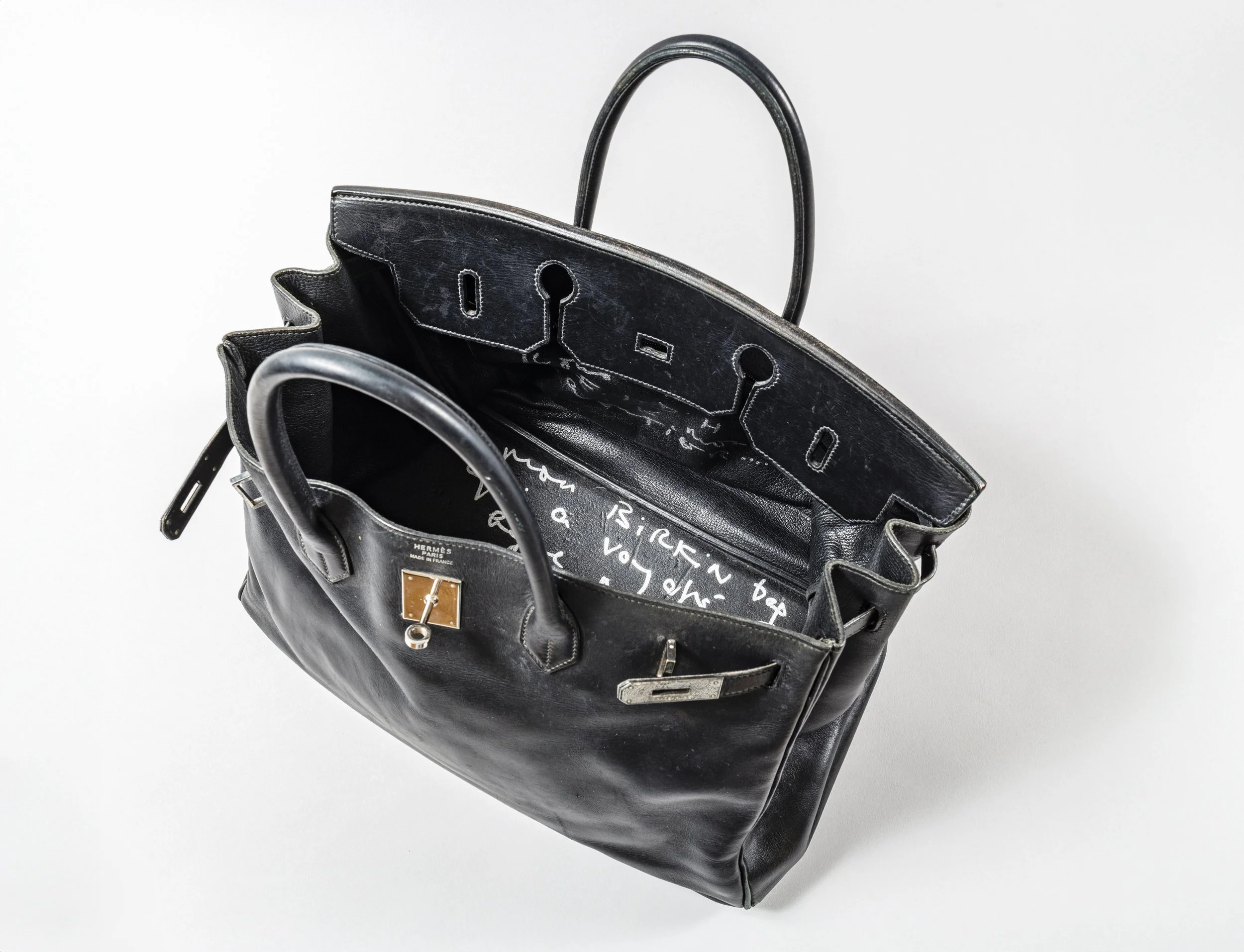


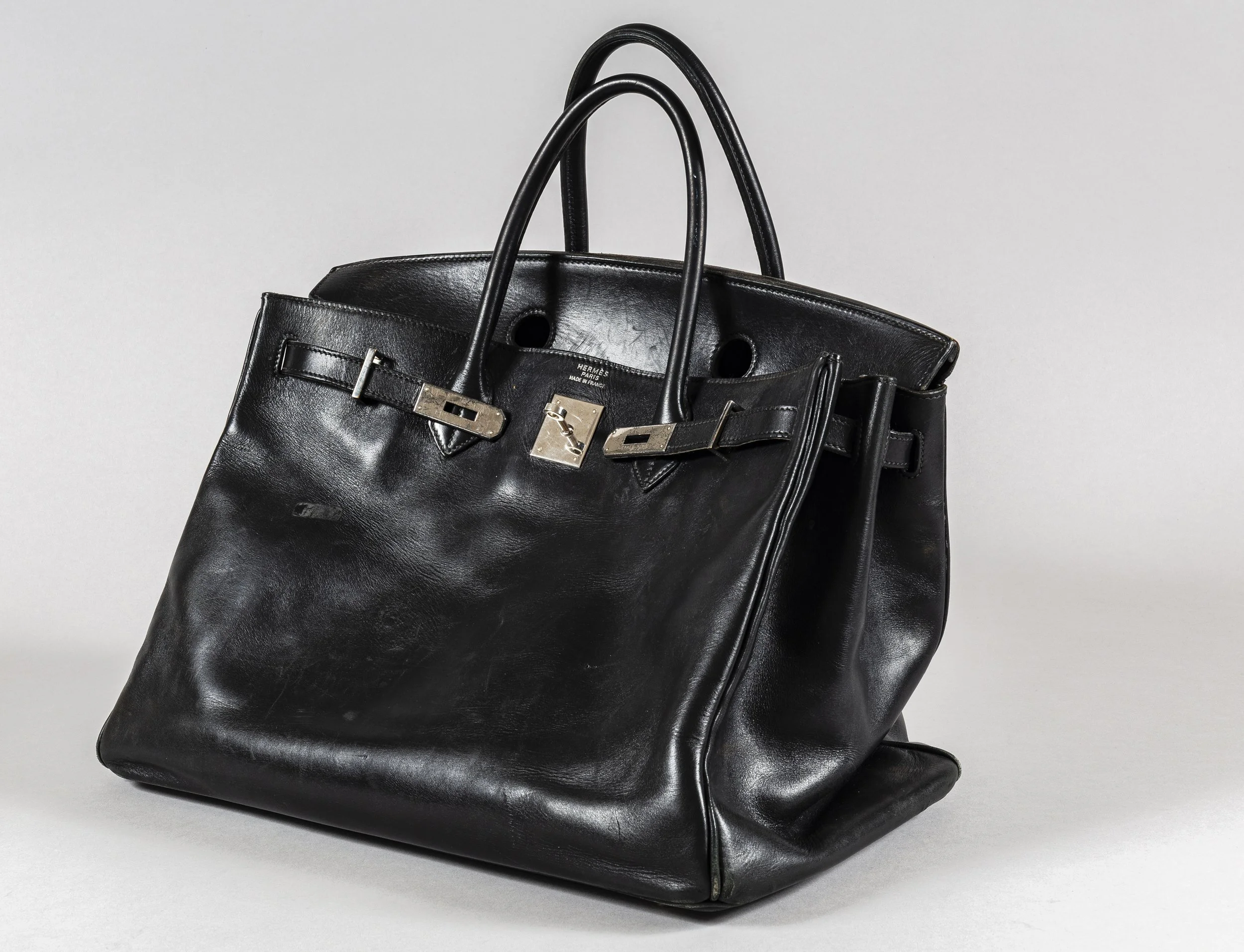
Jane Birkin’s Handbag Legacy Continues
READ MORE
“NEARLY ONE-THIRD OF GEN Z’S WARDROBES ARE SECONDHAND, COMPARED WITH ABOUT A QUARTER FOR OLDER GENERATIONS.”
— Vestiaire Collective

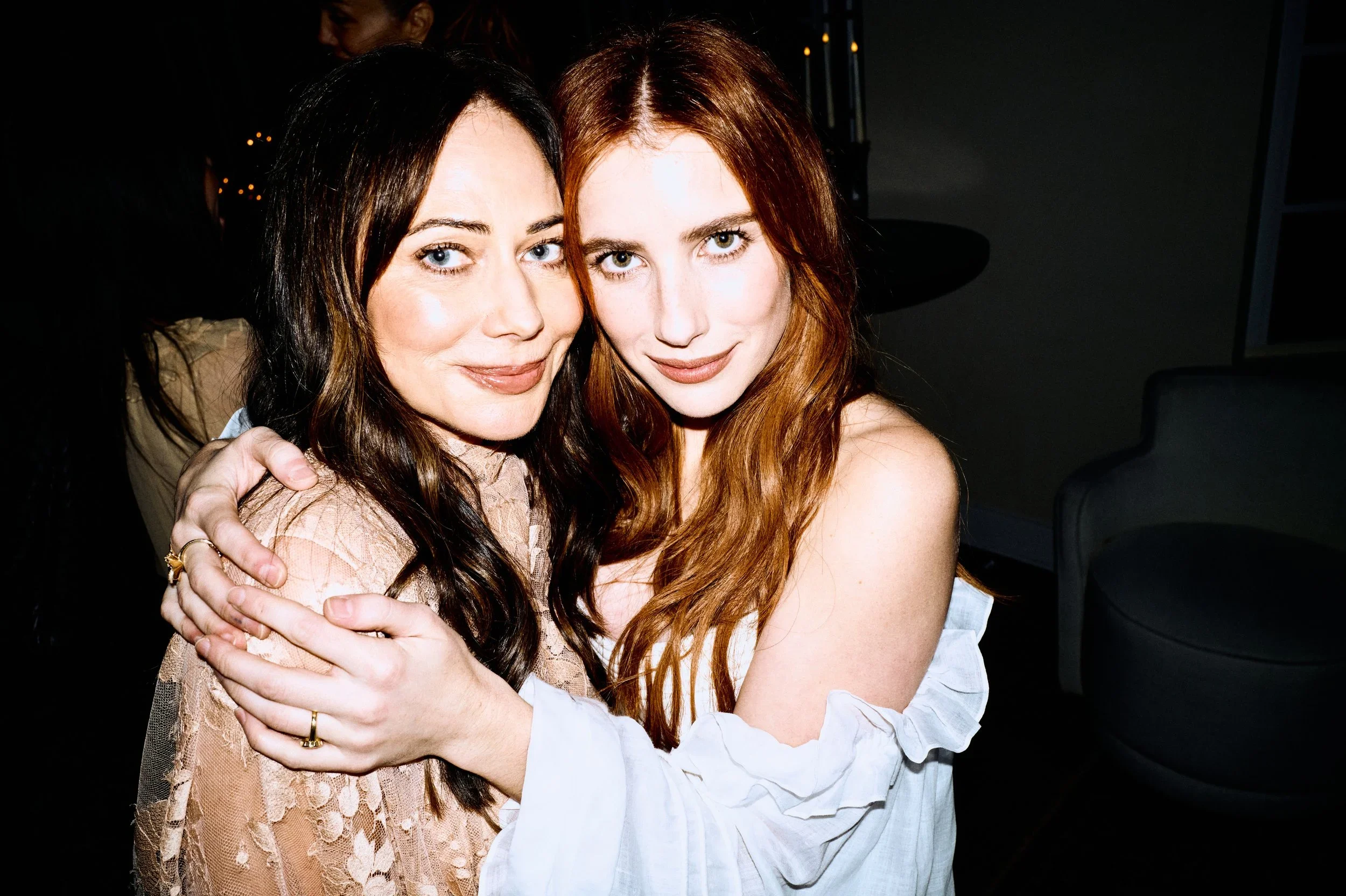
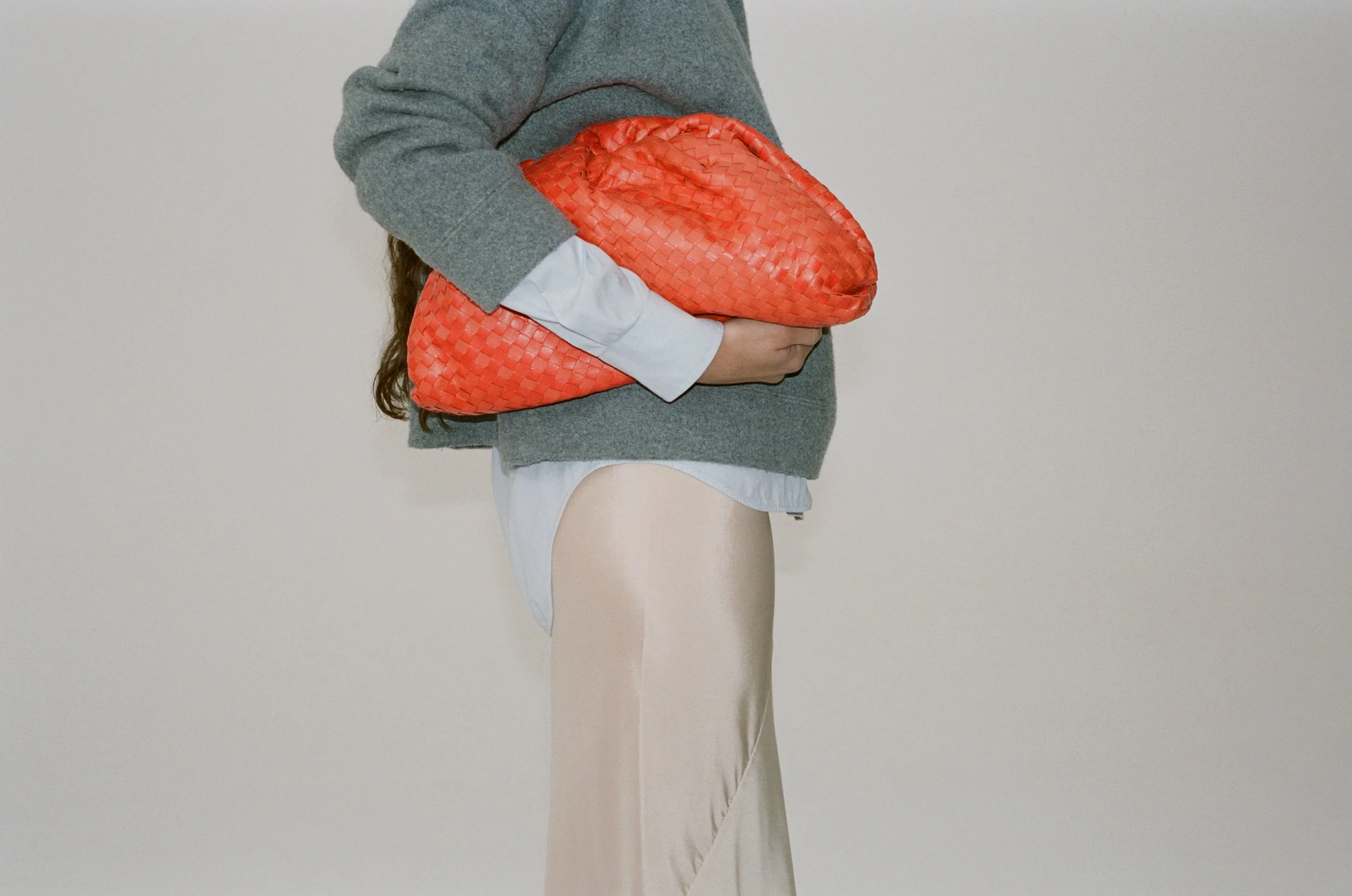
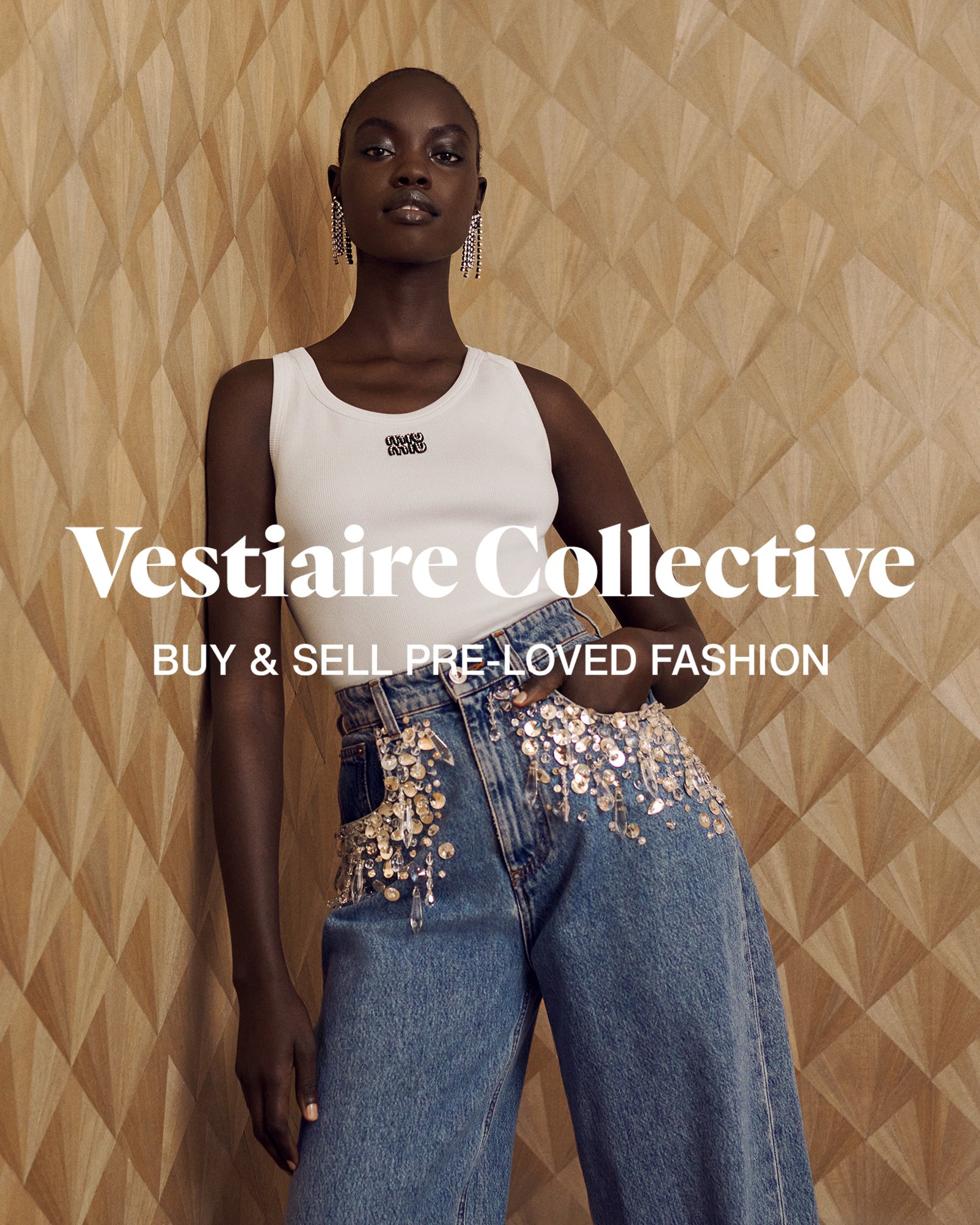
Images courtesy of Vestiaire Collective
The account, run by Lizzie Wheeler, showcases everything from early 2000s Jean Paul Gaultier to overlooked European labels like Paule Ka. It demonstrates that curation itself has become a form of taste-making, a modern kind of fashion archaeology where discovery feels as exciting as the pieces themselves. While many fans focus on preserving archival treasures, others are putting their own creative spin on vintage fashion. Accounts like @vintagerestockreserve, which has 1.9 million followers on TikTok, showcase upcycled pieces that give classic designs a fresh, modern life. Upcycling blends nostalgia with hands-on creativity, allowing fashion lovers to honor the craftsmanship of older garments while making them relevant for today’s style. For many of these shoppers, fashion has become a form of cultural memory. Social media has accelerated the rise of “archival fashion” and “quiet luxury,” turning knowledge of past collections into a badge of taste. A 2000s Lanvin silk satin dress, a vintage Versace Barocco silk scarf, or a heritage Polo Ralph Lauren blazer is not just a rare find, it is a statement. It signals an appreciation for enduring design in an age obsessed with what is new. In an era flooded with algorithms and endless product drops, rarity and authenticity have become the ultimate luxuries. A Chanel tweed jacket from the 1990s or a Phoebe Philo-era Céline bag holds a kind of soul that new pieces struggle to replicate. Nostalgia gives these objects new relevance, transforming fashion’s past into its most compelling future.Luxury brands have noticed the cultural shift. In the U.S., The RealReal remains the biggest success story. In late 2024, the company reported $164 million in fourth-quarter revenue, up 14 percent from the year before. By early 2025, it had hit $490 million in gross merchandise value and $160 million in revenue, both climbing more than 9 percent year over year. Net income jumped to $62 million, flipping from a loss in 2024.
“THE RESALE MARKET OFTEN INTRODUCES CUSTOMERS TO THEIR FIRST LUXURY PURCHASE. MANY FALL FOR THE CRAFTSMANSHIP, AND GO ON TO BECOME BRAND LOYALISTS.”
— The RealReal
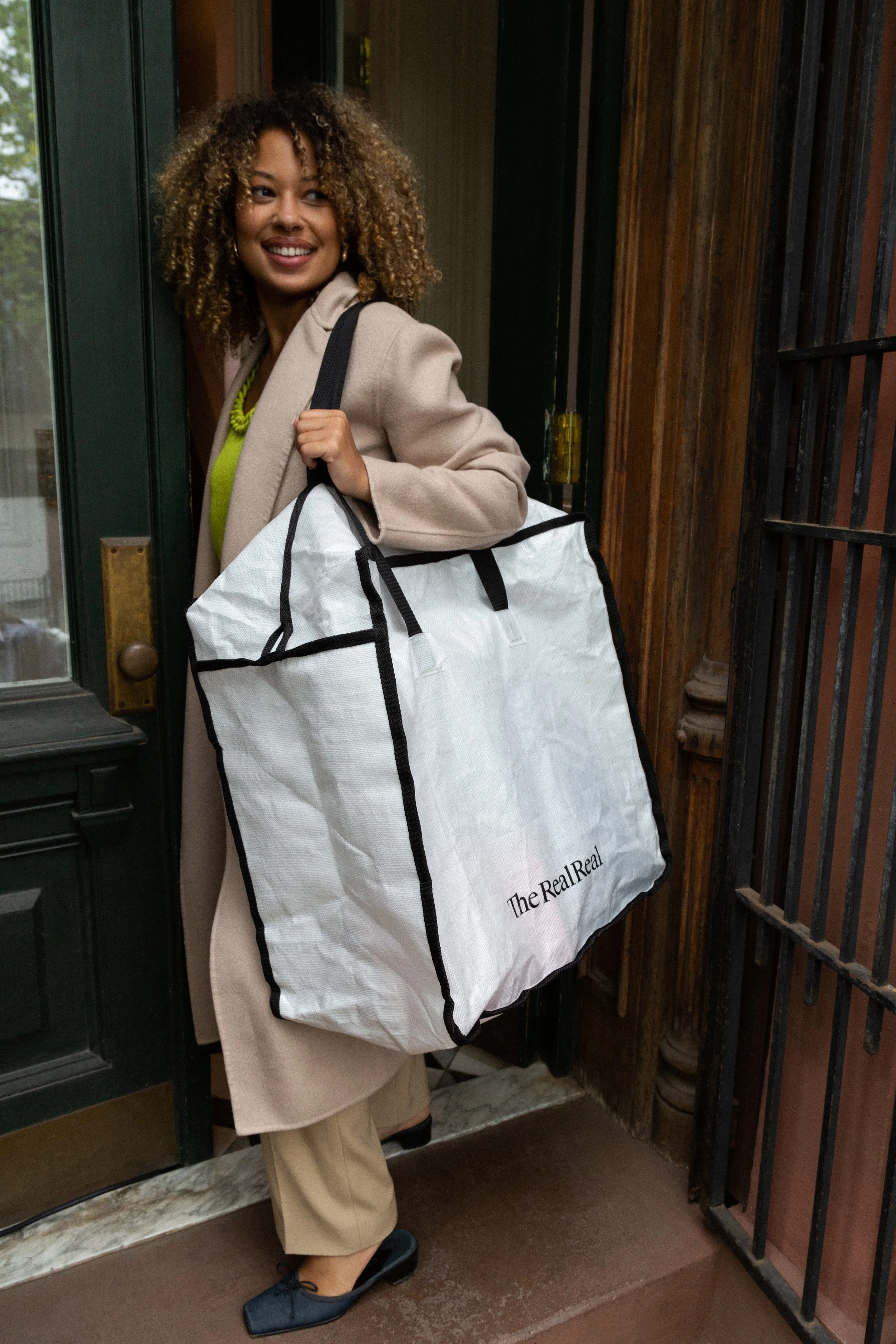
Images courtesy of The Real Real.
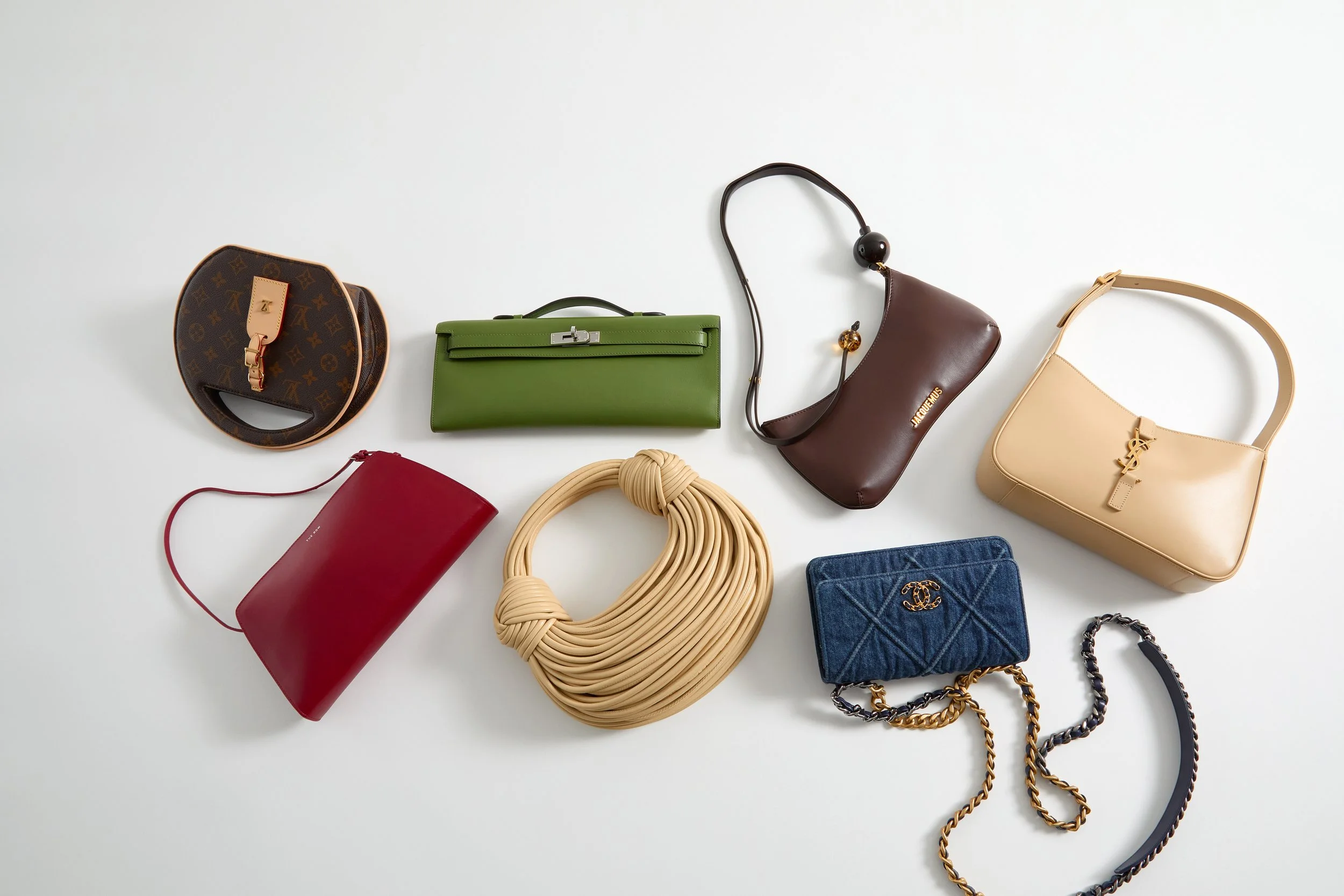
According to The RealReal’s 2025 Investor Report, more than half its consigners are Millennials or Gen Z. As these shoppers trade new luxury for pre-owned designer pieces, they are pushing fashion toward a circular model that values longevity and craftsmanship over constant turnover. “The resale market often introduces customers to their first luxury purchase,” The RealReal notes. “Many fall for the craftsmanship, and go on to become brand loyalists.”Gucci, Burberry, and Valentino now run authenticated resale programs. Kering, the parent company of Saint Laurent and Balenciaga, has invested in Vestiaire Collective, Europe’s largest resale platform. What was once dismissed as a threat to exclusivity is now an integral part of brand strategy. Several brands are also mining their own archives with strategic re-releases. Loewe celebrated the 10th anniversary of its Puzzle bag with the Puzzle 10 collection, 19 re-editions plus one new design, which launched in May 2025 and reintroduced past iconic styles from the label’s archive. Meanwhile, Chloé revived its cult early-2000s It-bag, the Paddington, in its Fall/Winter 2025 collection, keeping its signature oversized padlock while updating leather, hardware, and sizes for today’s fashion-hunters. The bag’s resale value on The RealReal has jumped 236% in the past year, illustrating how shoppers seek out both archival originals and reissued runway versions. The Hermès Birkin bag exemplifies this evolution. Once the ultimate status symbol, it is now also a cultural artifact and, for some, a financial one. Certain Birkins sell for more on resale sites like Vestiaire Collective and Sotheby’s than they did at retail. For Gen Z buyers, the bag represents more than status, it signals discernment and a deep appreciation for history and craftsmanship.Vestiaire Collective reports that Gen Z is shaping the future of resale: nearly one-third of their wardrobes are secondhand, compared with about a quarter for older generations. Affordability remains the top driver, but Gen Z also turns to resale for style, discovery, and experimentation. They see it as a treasure hunt, being 7 percentage points more likely than average to seek out limited or sold-out items, and around 80% say resale has helped them discover a new brand, well above the overall average of 66%. For brands, resale has become a prime gateway to reach and engage with younger luxury buyers. “Gen Z is truly shaping how the luxury market thinks about secondary fashion,” Vestiaire Collective notes.
What started as a niche fascination has become a cornerstone of modern luxury culture. Brands are reopening archives, social media communities are thriving, and consumers are curating wardrobes with the eye of collectors and creators alike. Whether hunting for a vintage Prada nylon bag, a forgotten runway relic, or an upcycled one-of-a-kind piece, today’s shoppers are proving that fashion’s past can be just as influential and exciting as what is next. “Gen Z is leaning into personal style, one-of-one pieces, craftsmanship, and circularity. They understand that every pre-loved item has a history that adds to its authenticity and appeal,” The RealReal notes, reinforcing how resale is reshaping what luxury means today. Fashion has always been about what is new. But as the luxury market slows, its future may depend on how creatively the industry reinterprets and revalues its past. Nostalgia, discovery, and curation are no longer just side notes, they are driving the conversation, shaping trends, and turning old designs into the most coveted pieces of the moment.
ARTICLE BY STEPHANI SPINDEL
PROMOTION ZIMMERMANN CRUISE ‘26 RTW