

FEBRUARY 7, 2025
QUIET LUXURY A MOMENT OR FASHION’S NEW LANGUAGE?
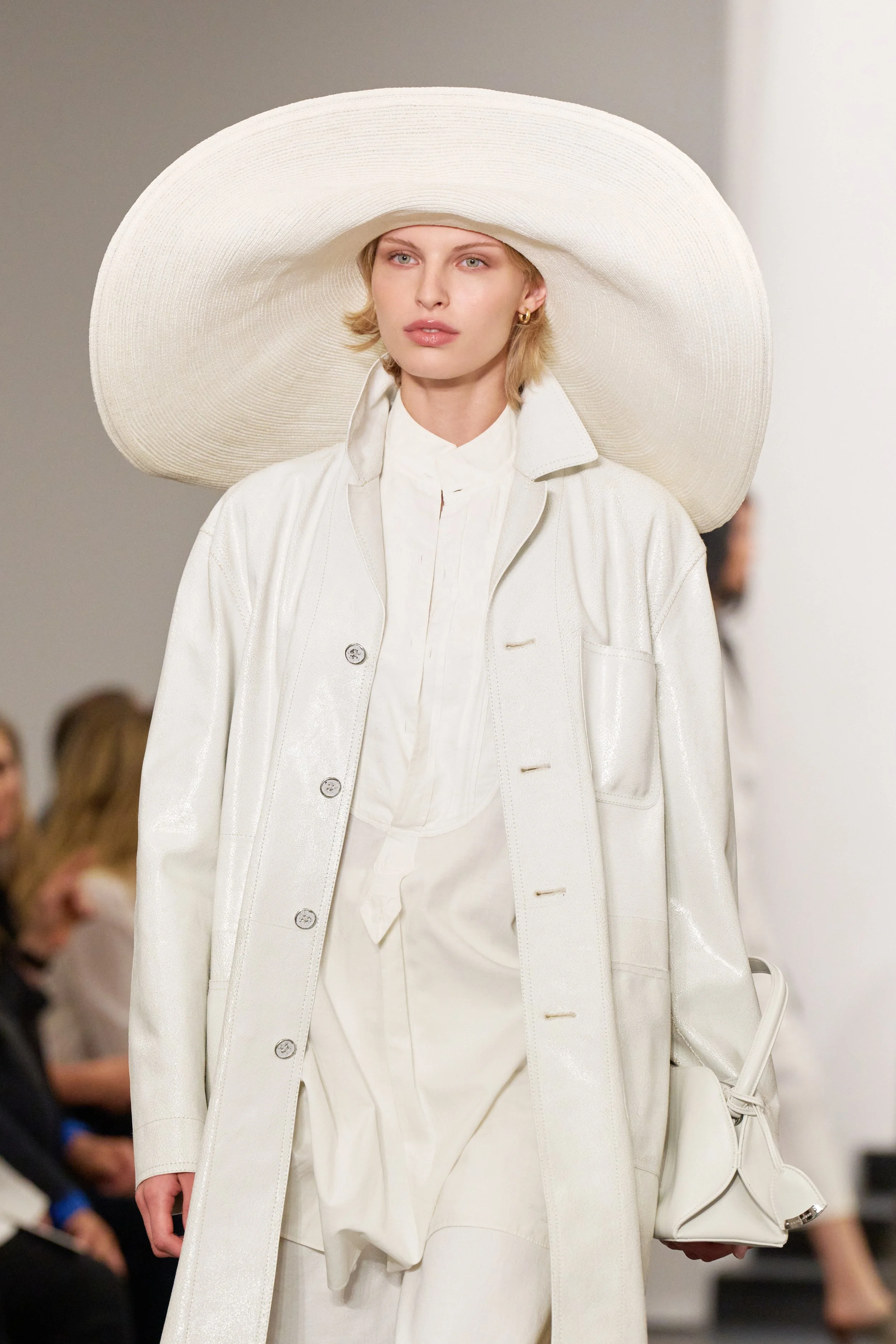
ARTICLE BY TINA DIMKOVSKA
THE MOST POWERFUL MESSAGE IN FASHION TODAY IS UNDERSTATEMENT.
Rising living costs, inflation, climate anxiety, global conflict, and the lingering effects of the pandemic have created a collective craving for calm.
As the world recalibrates, the fashion industry’s obsession with ‘the next big thing’ has changed too. After all, fashion is a reflection of society: social, political, and economic shifts reflected in fabric and form. And lately, that form has grown quieter. Its appeal lies in its values: craftsmanship, longevity, restraint, privacy. It is less about what you wear and more about mindset.
Quiet luxury has emerged not merely as an aesthetic, but as a philosophy: a way of navigating a world that feels increasingly loud.
In a culture of overstimulation and overexposure, calm-dressing feels like control. This has long been true for designers who valued restraint, whether in Chanel’s clean lines, Jil Sander’s minimalism, or Armani’s disciplined tailoring.
Giorgio Armani, in particular, built an entire visual language around the idea that power does not need spectacle. His tailoring proposed a new form of authority: composed, muted, and self-assured. Long before “quiet luxury” became a cultural shorthand, Armani had already established its grammar, proving that understatement could be as commanding as excess.
But nowadays, capsule wardrobes and the ‘investment mindset’ make this instinct visible to a wider audience. Refined basics are easier to wear, easier to trust, and easier to build a life around, without calling too much attention to oneself.
Ralph Lauren Collection embodies this logic with a distinctly American sensibility. Where Armani speaks in the language of European discipline, Ralph Lauren articulates quiet luxury through heritage, continuity, and cultivated elegance. Its garments evoke lineage rather than novelty, suggesting a world where luxury is not consumed but inherited. In this sense, quiet luxury is not about minimalism alone, but about time. Clothes designed to exist beyond seasons and trends.
This shift stands in stark contrast to the roaring late 90s when luxury meant excess. Logos and monograms dominated the landscape: Dior’s glossy saddle bags were impossible to miss, Cartier’s Love bracelets became shorthand for status, and Y2K bedazzled jeans layered with belts ruled red carpets and nightlife.
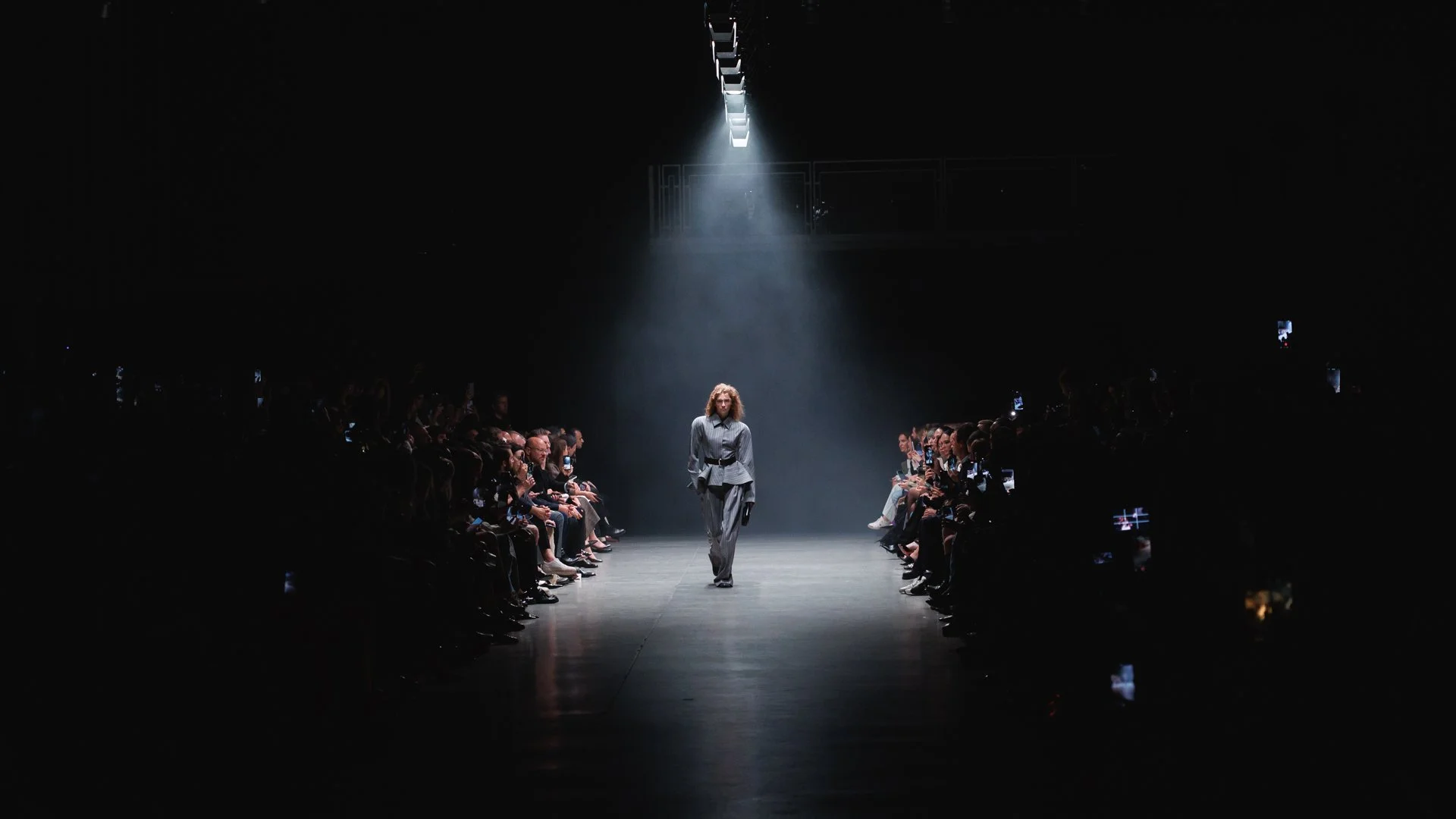
COURTESY OF STELLA MCCARTNEY
CALVIN KLEIN SPRING/SUMMER 2026 COLLECTION
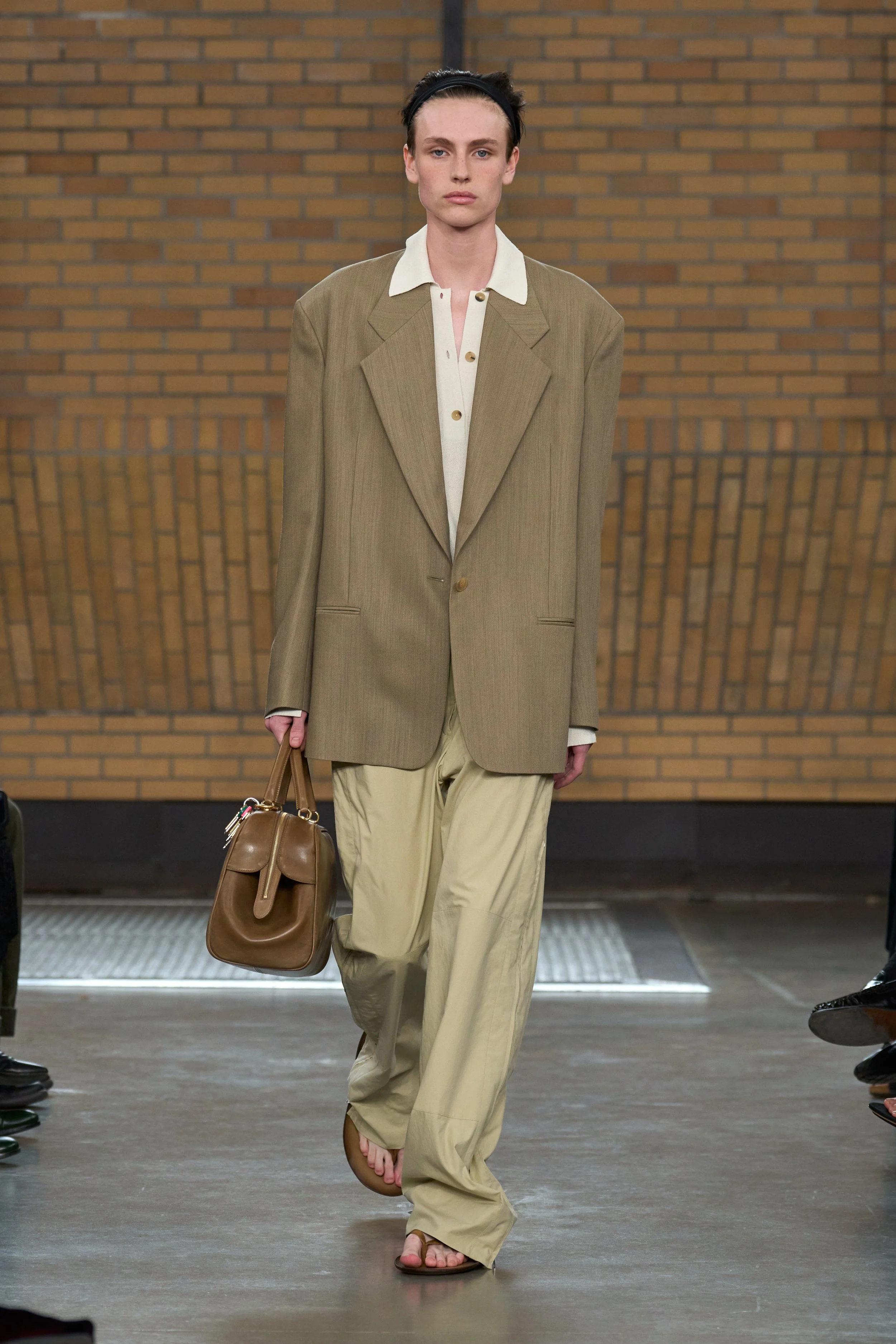
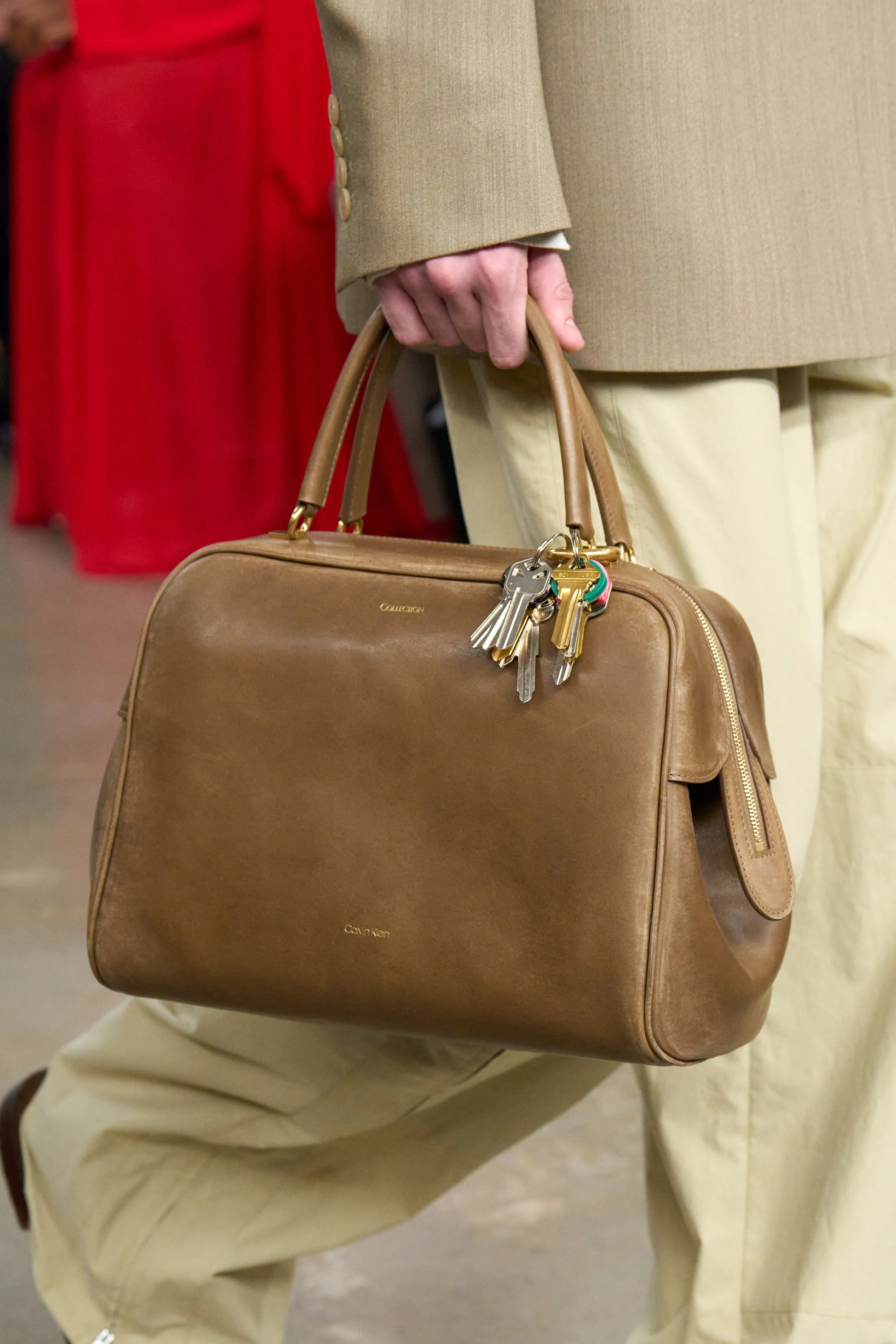
NO SLOGANS. JUST CONFIDENCE STITCHED INTO FABRIC.
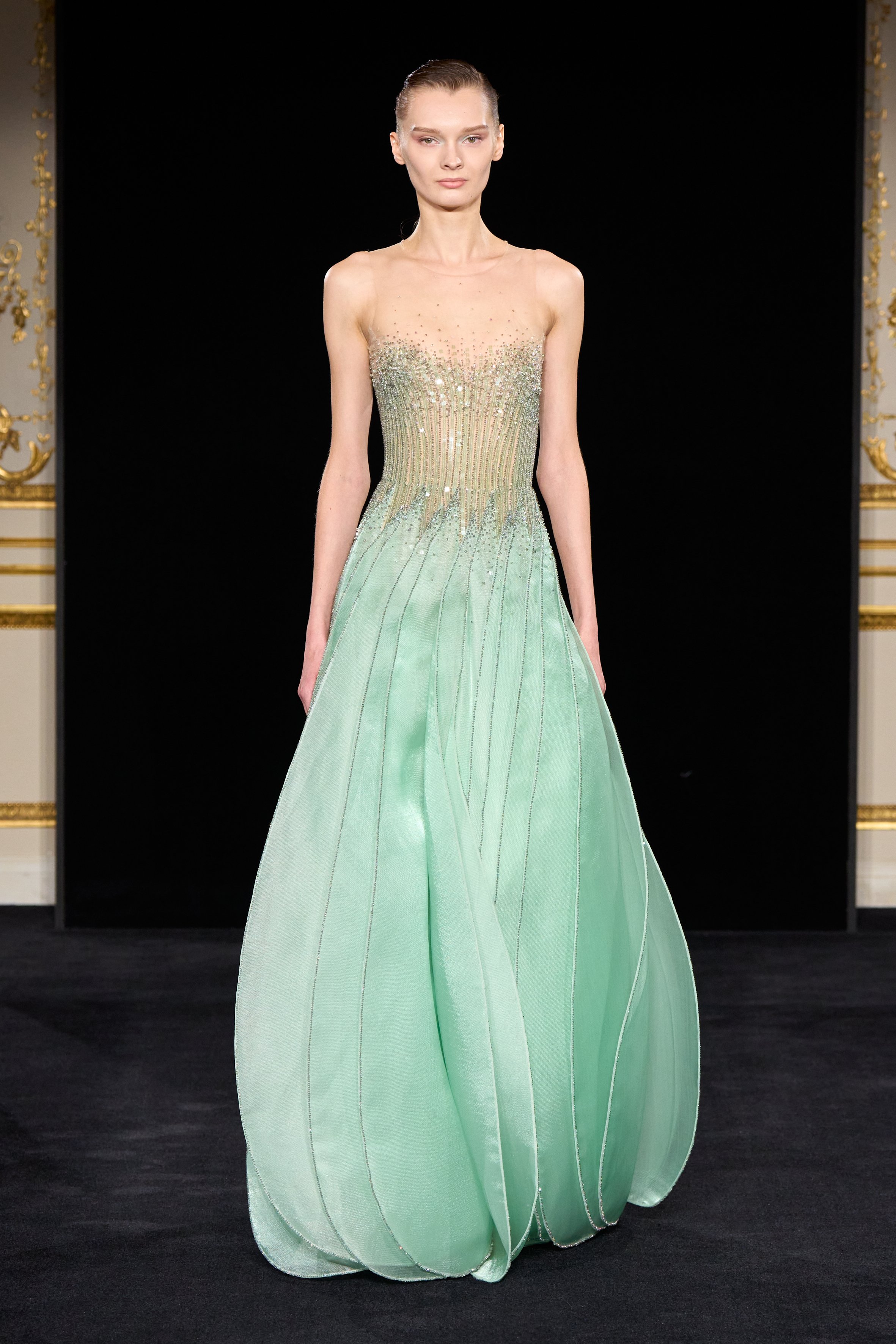
GIORGIO ARMANI SPRING/SUMMER 2026 COLLECTION
But cracks began to appear. The dot-com crash and the 2008 financial crisis reminded consumers that visibility could be precarious, while the rise of social media and cancel culture placed wealth under constant scrutiny.
In response, designers began to explore restraint not as absence, but as intention — not as minimalism, but as meaning. Phoebe Philo’s Céline offered sleek, pared-back tailoring, Azzedine Alaïa mastered precision and form, and The Row created garments meant to last rather than announce. Bottega Veneta’s “no logo” ethos suggested a new form of luxury, one that whispered rather than shouted.
Within this evolution, Calvin Klein Collection emerged as one of the most radical articulations of quiet luxury. Its minimalism was not decorative but ideological: silhouettes stripped to structure, garments reduced to essence. Here, luxury was expressed through proportion, architecture, and absence, suggesting that desire could be generated through restraint rather than accumulation. In the world of Calvin Klein Collection, the cut of a coat mattered more than any emblem.
After the pandemic, this narrative accelerated. Lockdowns forced designers to rethink production, presentation, and consumption. Loungewear dominated virtual runways, and when the world reopened, sequins, mini dresses, and sharp tailoring marked fashion’s collective exhale. Yet beneath the surface glamour, something more restrained was forming: a renewed awareness of quality, purpose, and longevity. Comfort, craftsmanship, and timelessness became not just practical, but aspirational, signaling taste and discernment without overt display. This shift in mindset changed how consumers saw luxury.
In this landscape, Stella McCartney’s work feels emblematic of quiet luxury’s future. Her approach reframes restraint as ethics. Sustainability, once peripheral to luxury, has become central to its meaning. Through responsible materials and enduring silhouettes, Stella McCartney articulates a vision of elegance inseparable from accountability. Here, quiet luxury is not only aesthetic but moral: the absence of excess becomes a statement of values rather than simply taste.
What once felt like fashion’s ultimate flex, a loudly branded accessory designed for instant recognition, began to feel hollow next to a beautifully made leather belt built to last. From that shift emerged what we now call quiet luxury: clothing that whispers confidence instead of demanding attention. It favors craftsmanship over spectacle and, paradoxically, has become fashion’s most resonant message.
The loud broadcasting of wealth and status had to evolve into something subtler: a whispered code, intelligible only to those who could read it. Today, quiet luxury is “if you know, you know” fashion: for those who can identify a fabric by its weight, a blazer by its cut, or a brand by its silhouette.
Rather than a single aesthetic, quiet luxury has taken multiple forms. In Armani’s world, it appears as serenity and discipline with a tailoring that suggests power without spectacle. In Ralph Lauren Collection, it emerges through heritage and continuity, where elegance feels inherited rather than acquired. Calvin Klein Collection reduces luxury to structure and idea, stripping fashion to its architectural core. And in Stella McCartney’s work, restraint becomes ethical, transforming sustainability into a new marker of distinction.
It is not the absence of expression, but the absence of excess. Think of Balmain’s sharp shoulders or Saint Laurent’s fluid, oversized tailoring. Armani’s silhouettes breathed serenity and elegance that did not shout yet held your gaze. Givenchy’s little black dress became iconic not because it was loud, but because it was unmistakably refined. No monograms. No slogans. Just confidence stitched into fabric.
Quiet luxury is not about neutral palettes or basic uniforms. You can wear magenta. You can wear sequins. You can even embrace boldness. The difference lies in balance, composition, and intent — less about being noticed by everyone, more about recognition by a discerning few. Fashion has never been neutral. Quiet luxury does not dismantle hierarchy. It merely makes it harder to access. With quiet fashion, the signal is still there, only encrypted. Taste replaces branding, and knowledge replaces money as the most visible form of power. Fashion has always thrived on belonging and exclusivity; by narrowing who can decode the signal, fashion hasn’t become quieter, it has become more precise.
And in an era defined by noise, precision may be the ultimate luxury.
SERENITY IN SILHOUETTE. POWER WITHOUT SPECTACLE.
RALPH LAUREN SPRING/SUMMER 2026 COLLECTION
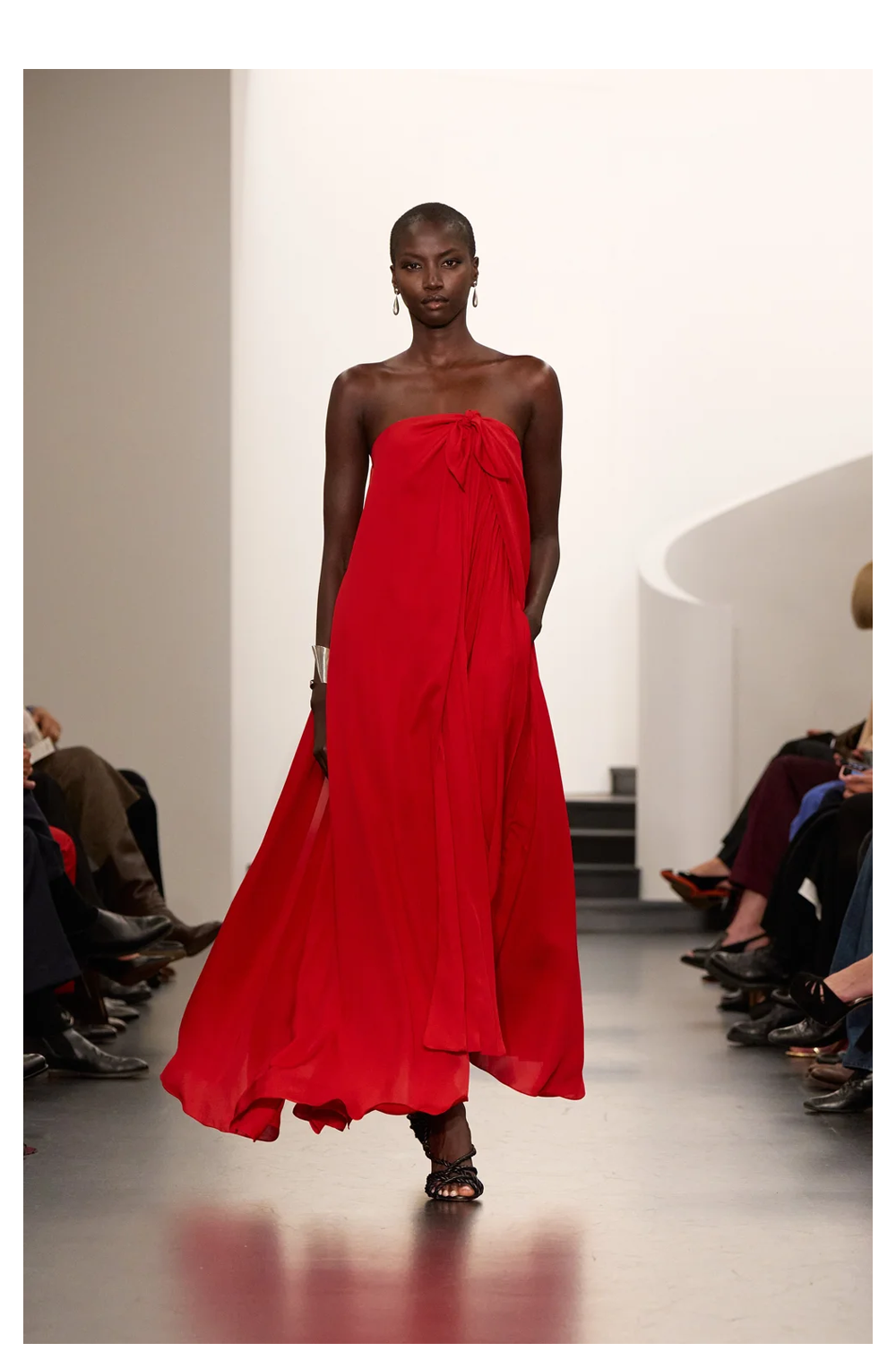
RALPH LAUREN SPRING/SUMMER 2026 COLLECTION IS NOW AVAILABLE IN BOUTIQUES GLOBALLY.