
THE NEW POWER FIGURES

MARCH 10, 2026

ARTICLE THE NEW POWER FIGURES
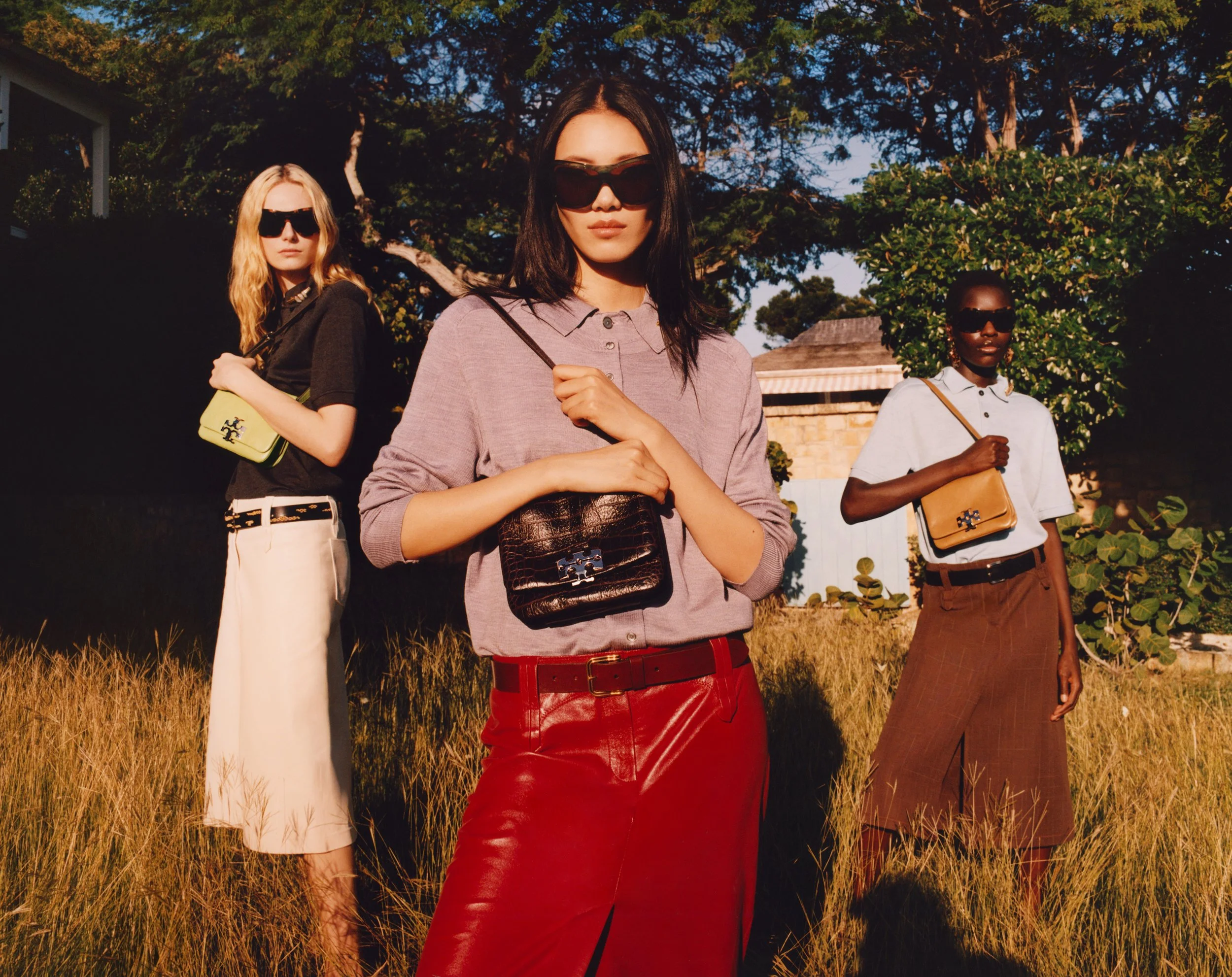
BY TINA DIMKOVSKA
POWER IN FASHION HAS ALWAYS BEEN VISUAL, BUT RARELY AS CONCENTRATED AS IT WAS IN THE ERA OF THE SUPERMODEL.
Cindy Crawford, Naomi Campbell, Linda Evangelista, Claudia Schiffer, and Christy Turlington weren’t just extraordinarily beautiful; they had aura. They ruled the scene with heady allure: confident, deliberate, and ever-present. They embodied leggy sex appeal, 24/7. Strutting the world’s biggest runways, starring in glamorous commercials, dominating tabloids, and commanding the most influential magazine covers. These women were more than mannequins for clothes; they became symbols of beauty, power, and influence.
The term supermodel gained real traction in the late 1980s and 1990s. That era was defined by fashion maximalism—mom jeans, mini skirts, neon hues, acid-wash denim. As models’ fame grew, so did their cultural authority. After the 1989 Black Friday stock market crash and the early ’90s recession, designers like Calvin Klein and Jil Sander ushered in restraint and minimalism. Unlike today’s hyper-curated influencer imagery, supermodels were photographed constantly and often without overt styling theatrics. They developed a distinct visual language: white tank tops as statements, slip skirts paired with knits or sharp blazers, underwear worn as outerwear, and leather biker jackets over bare skin. Yet the most important “accessory” was always their body. This was the peak of sex sells, and the era when “heroin chic” became fashion’s most controversial, and influential, trend. You could spot Claudia Schiffer, Christy Turlington, or Naomi Campbell at top parties in New York or Paris wearing bodycon silhouettes without cut-outs, sheer fabrics without heavy embellishment. Club fashion became a uniform of controlled sensuality, and these women defined it. The key to their dominance was visual continuity. Supermodels repeatedly embodied designers’ visions. Naomi Campbell was Versace’s power sensuality. Cindy Crawford embodied all-American glamor. Christy Turlington radiated timeless refinement. Consumers didn’t just buy the clothes—they bought the attitude, the lifestyle, the fantasy attached to the model. Models were genuinely bigger than brands. They shaped what designers designed, what magazines promoted, and what consumers copied. That level of power separated them from every generation before and after.
Then came the 2000s, an era fueled by technological optimism and pop excess. The aftermath of the ’90s supermodel explosion led to over-saturation: too many faces, too much exposure, and too little room for a singular it-girl to emerge. Reality television, particularly America’s Next Top Model, democratized stardom so aggressively that it diluted it. Brands soon realized that recognition and reach mattered more than beauty alone. Celebrities could sell products, often better than models. Slowly, celebrities replaced supermodels. Then came the influencer era, and models became largely irrelevant outside of runways. They turned into hangers for clothes, while influencers and celebrities were added to campaigns to attract attention. The public stopped caring who the models were, let alone what they wore.
ARTICLE THE NEW POWER FIGURES
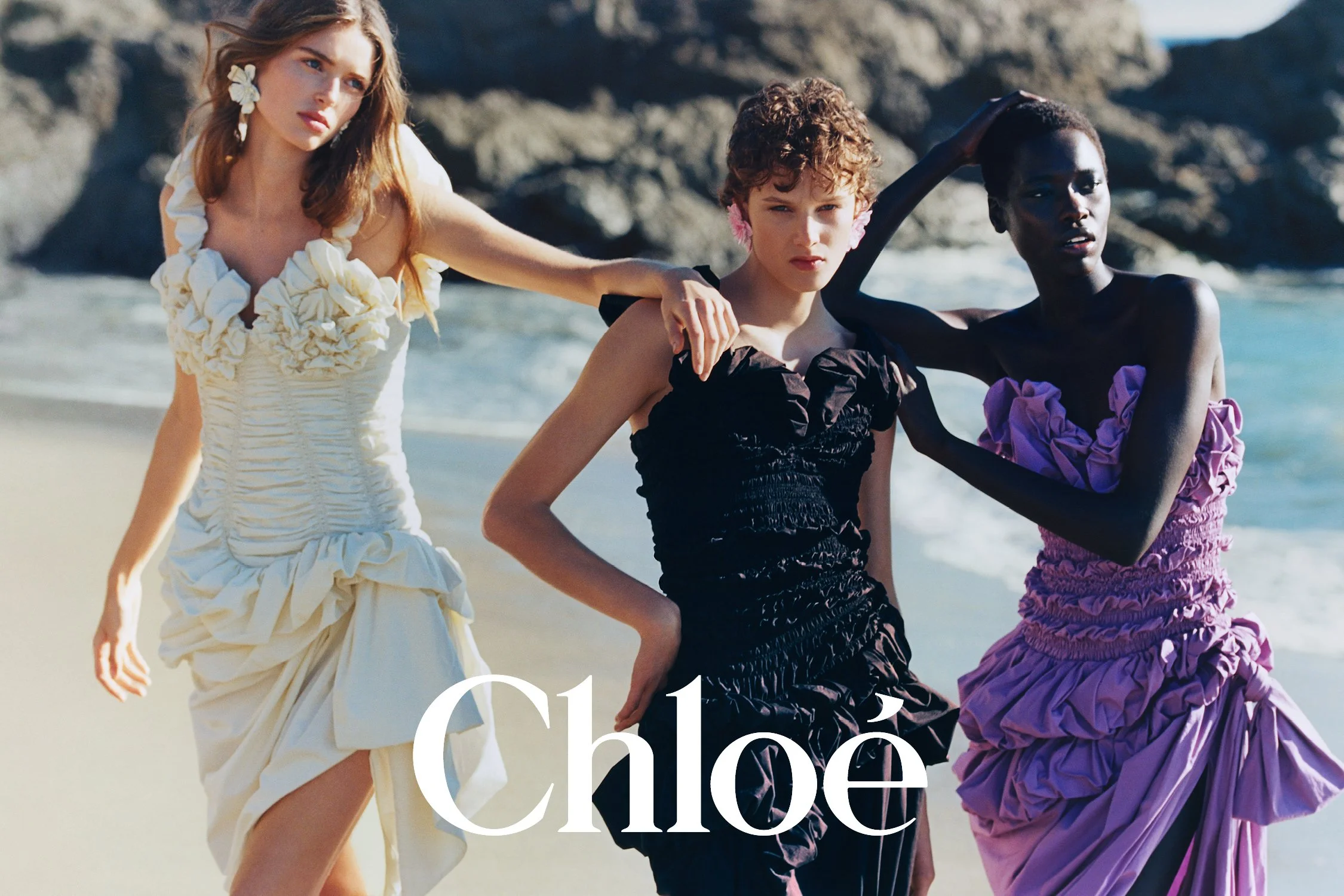
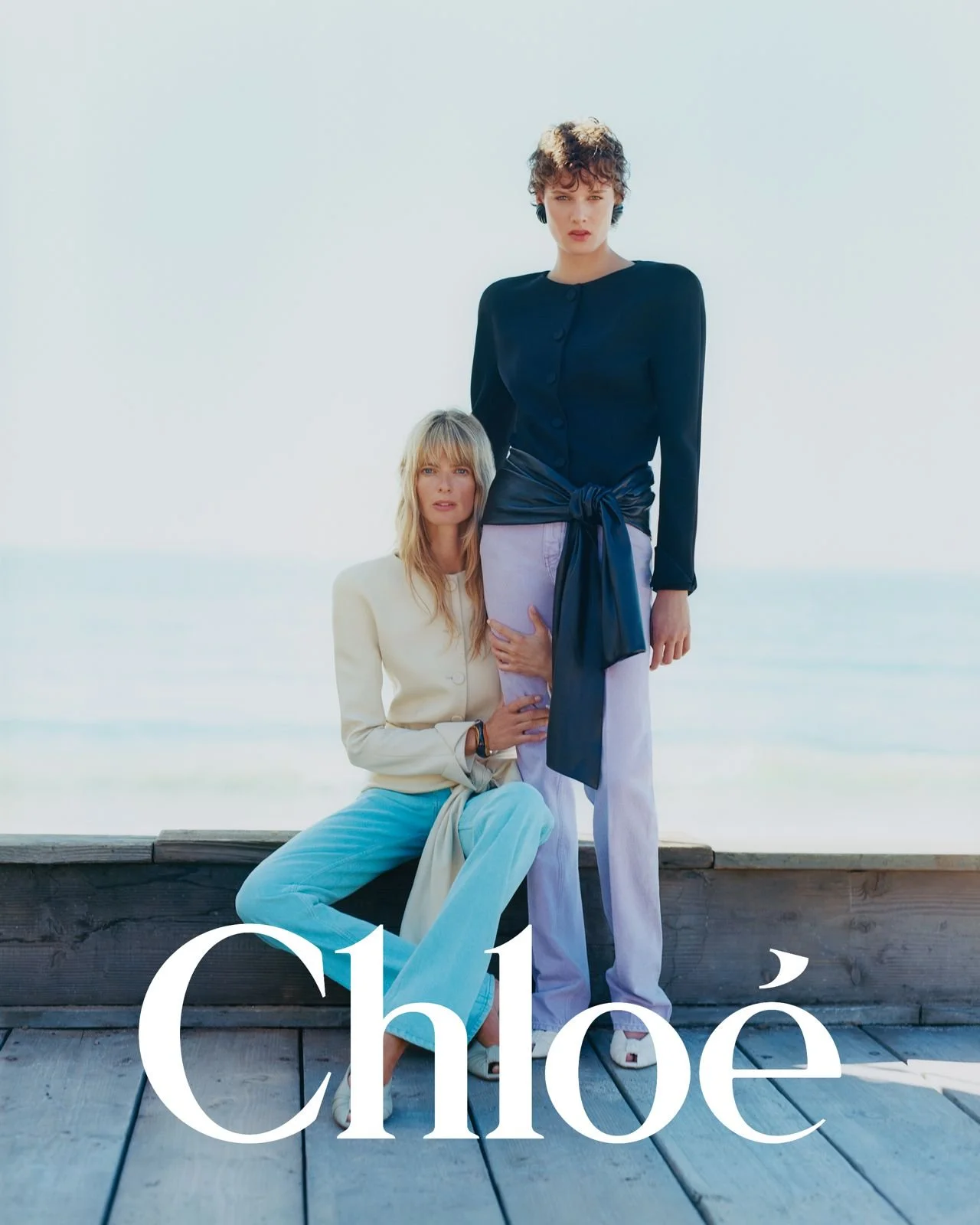
This is when a new generation of influencer models entered the fashion landscape. With built-in audiences and high visibility, they were positioned as the “new supermodels.” The media tried to make it stick, but it never fully did. Yes, they were everywhere. Yes, they attended every major event. But they did not have the same chokehold. Everything became Instagram-optimized minimalism: polished, influential, yet derivative. With constant content and rapid turnover, long-term visual continuity — the kind that allowed the public to connect, imitate, and internalize a signature style — was harder to establish. Campaigns might go viral for a week, only to be replaced by the next algorithmic obsession.
By the mid-to-late 2010s, a new shift began. Models like Anok Yai, Alex Consani, and Adut Akech started to dominate major runways. Their rise felt organic—scouted, cultivated, and ascending on merit. Fashion houses and editors took notice, re-centering the model as a fashion instrument rather than a personality product. Designers like Miuccia Prada and Donatella Versace used them as visual anchors, just as Naomi and Linda once were. When Anok Yai opened Prada Fall/Winter 2018 in a stark, feather-trimmed look, the casting felt architectural, not algorithmic. Similarly, when Adut Akech closed Valentino Haute Couture Spring 2019 in a monumental gown, she embodied the house’s modern romanticism. This is classic supermodel logic: focus on silhouette, mood, and craft—not follower count.
The distinction is clear: luxury does not thrive on noise, it thrives on clarity. Audiences stopped looking for personalities to project onto and started craving faces that sharpen the clothes instead of competing with them. This shift opened space for the return of the model as a true power figure. Not just a recognizable face, but an aura that organizes a collection. Bhavitha Mandava’s overnight ascent—opening Chanel’s Métiers d’Art and appearing in Bottega Veneta campaigns—felt organic, almost mythic. Not an engineered celebrity, but discovery. Fashion responds to stories like that because they restore hierarchy.
The new generation dominates shows with repetition and consistency: opening and closing runways, holding couture looks that define the season. Casting consistency is back, and the runway narrative matters—the model is part of the mood board, not a PR placement. Luxury has quietly narrowed its favorites. Each face carries a function within a brand’s visual language. Awar Odhiang projects composure that elevates brands, Noor Khan embodies Chloé effortless elegance, Emese Nyiro brings indie fragility that resists bombshell tropes, and Hejia Li offers fresh-face energy brands can mold into identity.
Off the runway, the difference is equally clear. The 2010s model-off-duty uniform relied on slick buns, yoga pants, and neutral athleisure, optimized for paparazzi moments. It was relatable, algorithm-friendly, and safe. The new generation constructs identifiable silhouettes: Chloe Oh with relaxed, styled ease, Stella Hanan with glamour maximalism in dramatic furs, Jacqui Hooper with sculptural presence that commands the runway, and Perus Adolwi with avant-garde, architectural shapes. This isn’t an “off-duty” uniform designed for paparazzi documentation. It is an expression. It is done with intention. It is image-building.
But personal style alone does not create a supermodel. The question remains: are these women reclaiming real authority, or performing it within a system that still controls the narrative? Could it be, they are reclaiming symbolic power, the ability to make a brand’s season legible, a shorthand for a mood. But the system is tighter now: brands control channels, image cycles are faster, and contracts are shorter. It’s harder for models’ identities to eclipse the house that hires them, but not impossible. The algorithm punishes silence, yet these models have cultivated restraint that reads as status. They appear at the places that matter—fashion week, high-fashion parties—but not everywhere.
ARTICLE THE NEW POWER FIGURES

The supermodel is returning because fashion needs a power figure again—someone who makes the clothes feel inevitable. Not a personality that distracts, but a presence that concentrates the brand into a single image. The repetition of casting, the return of visual hierarchy, the cultivation of mystique—these are not coincidences. They are structural signals. This is not some nostalgia for the 90s. It is fashion restoring order. Authority is returning, and with it, the supermodel reclaims her place at the center of the image.

